Beijing - US President Donald Trump arrived in Beijing on Wednesday for a three-day state visit, his first to China in almost nine years and the first of his second term. The trip, scheduled for 13 to 15 May 2026, follows Trump’s meeting with Xi Jinping at the Busan summit in October 2025 and had originally been planned for April, but was postponed because of the 2026 war in Iran.
A red-carpet welcome
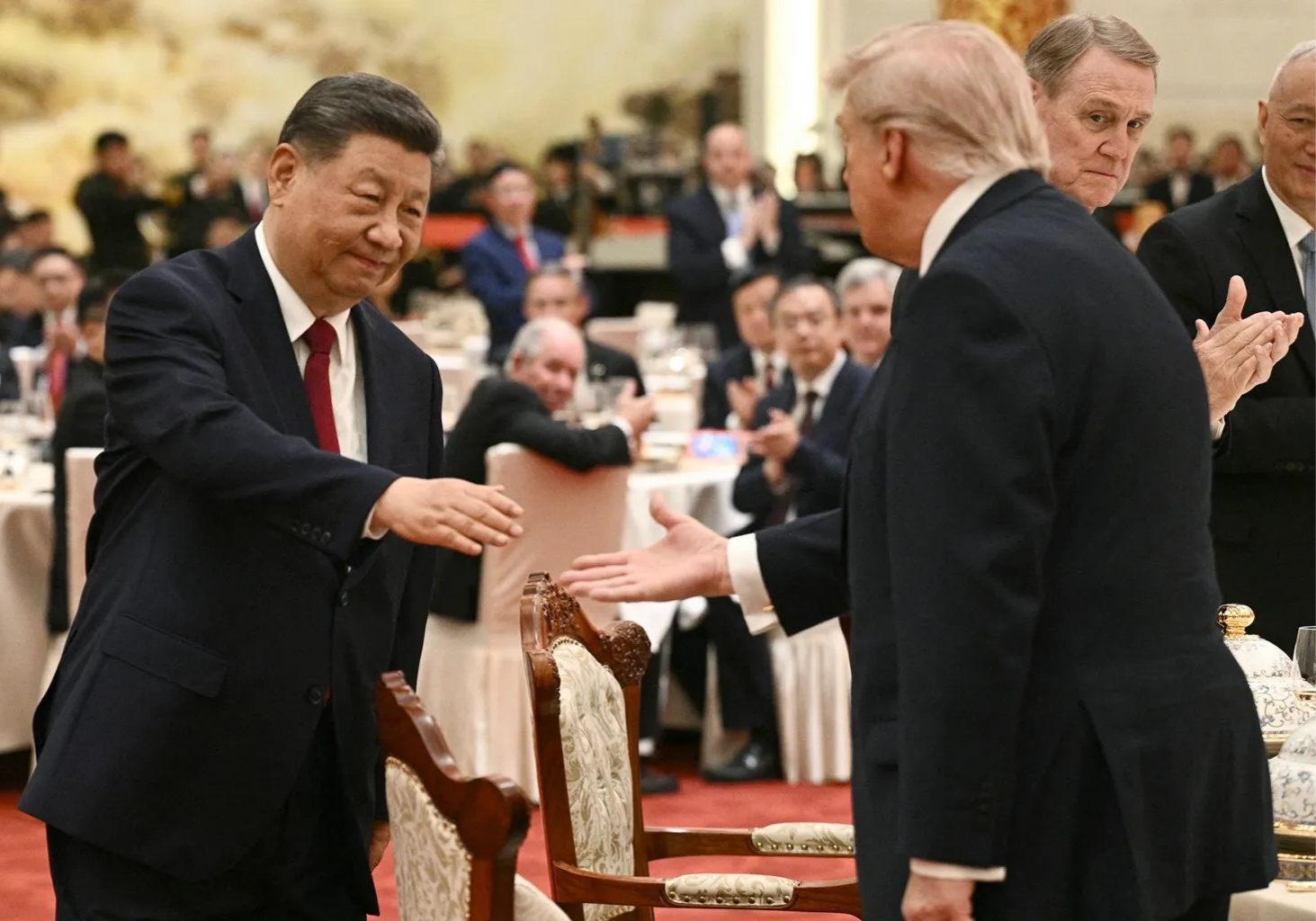
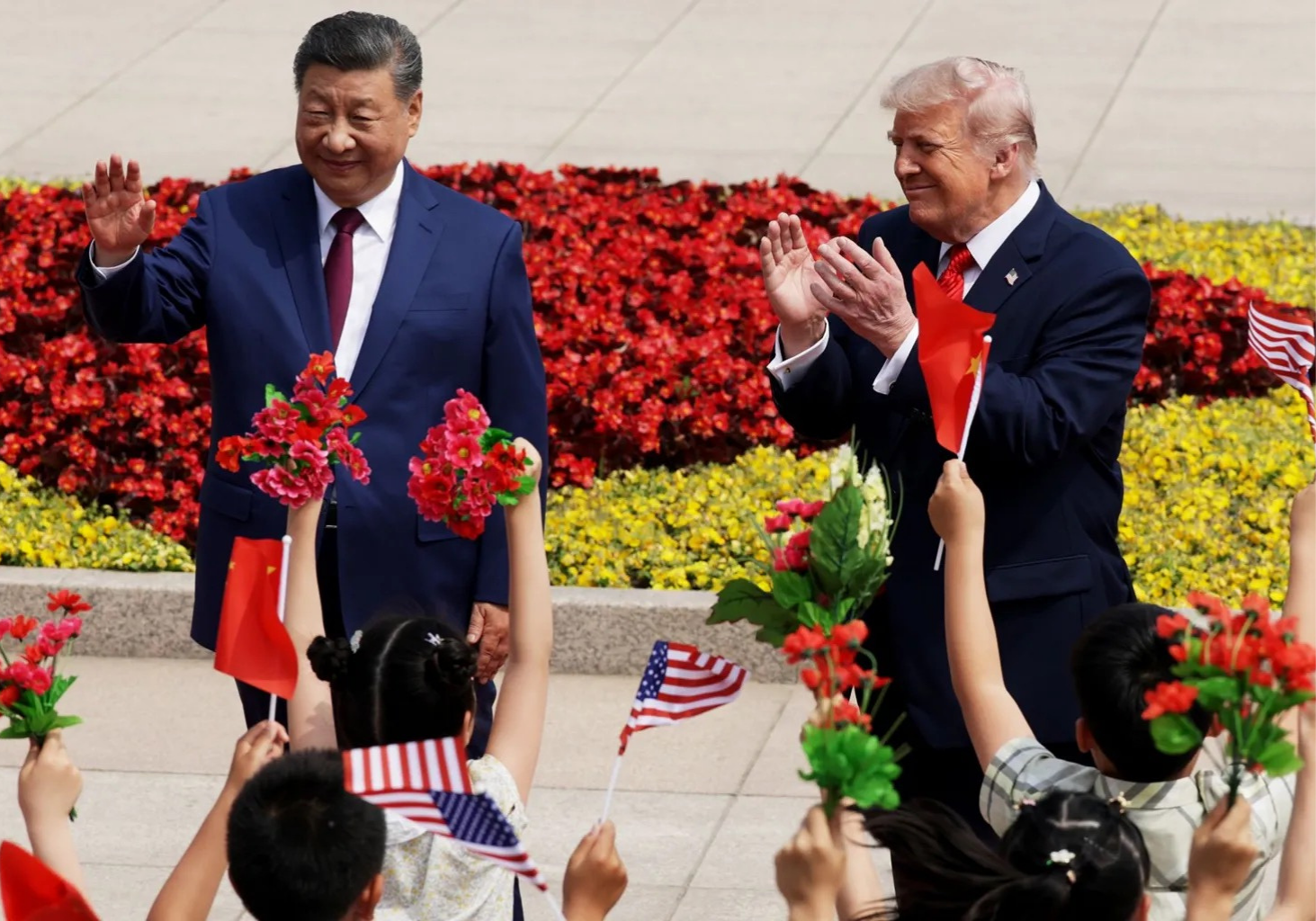
Trump was received in the Chinese capital with a ceremony marked by pomp and solemnity, at the start of a high-stakes visit with global consequences, as the world’s two largest economies redefine their trade relationship. On Thursday morning, Trump and Xi shook hands in front of the Great Hall of the People in Beijing, exchanging remarks during an opening ceremony featuring a brass band, military units on parade and cheering children waving American and Chinese flags. The US delegation is unusually large. Defence Secretary Pete Hegseth is part of the delegation, becoming the first defence secretary to accompany a US president on a state visit to China since Richard Nixon’s trip in 1972. Also present are Secretary of State Marco Rubio, US Trade Representative Jamieson Greer and several leaders of American industry, including Tesla’s Elon Musk and Nvidia’s Jensen Huang.
Taiwan: the sharpest warning
Behind the official cordiality, the summit exposed deep divergences. According to a statement by the spokesperson of China’s Foreign Ministry, Xi stressed to Trump that “the Taiwan question is the most important issue in China-U.S. relations. If it is handled properly, the bilateral relationship will enjoy overall stability. Otherwise, the two countries will have clashes and even conflicts, putting the entire relationship in great jeopardy.” The differences in tone between the two countries at the summit - as well as the divergent accounts of what Trump and Xi discussed - reflect the likely difficulty of bridging those gaps. There was no mention of Taiwan in the US statement, with the White House describing the meeting as a “good meeting” focused on strengthening economic cooperation. Secretary Rubio, in an interview with NBC News, said US policy on Taiwan remains unchanged.
The shadow of Iran and the Strait of Hormuz
The war between the United States, Israel and Iran has cast a shadow over the entire trip. Trump had postponed his visit, which had been planned for March, to give time for the conflict - which he said would be resolved within weeks - to end. Months later, a peace agreement remains elusive and Trump says the ceasefire with Iran is on “massive life support”. According to a White House official, Trump and Xi agreed that the Strait of Hormuz must remain open in order to restore energy flows through the crucial waterway. Xi reiterated Beijing’s opposition to the “militarisation” of the energy artery and to “any attempt to impose a toll for its use”. China also expressed interest in buying more US oil to reduce its dependence on Middle Eastern crude. Both countries agreed that Iran cannot possess nuclear weapons.
Trade: Trump’s central issue
Analysts say the United States and China entered the summit with different priorities. Trump is said to have focused heavily on trade, with the aim of securing results he can present as economic victories ahead of the November midterm elections. Washington has pressed China to increase purchases of American goods, including Boeing aircraft, beef and soybeans, while also seeking closer cooperation on investment and trade. Beijing, for its part, is expected to press the United States to ease restrictions on exports of advanced semiconductors. The negotiating balance has changed since Trump’s first term. Scott Kennedy, senior adviser at the Center for Strategic and International Studies, told CNBC that “China comes into this meeting much more confident than it did in 2017, when it feared even a small increase in US tariffs. Over the past year, Xi has been able to respond and neutralise much of Trump’s action.”
A handshake and little more?
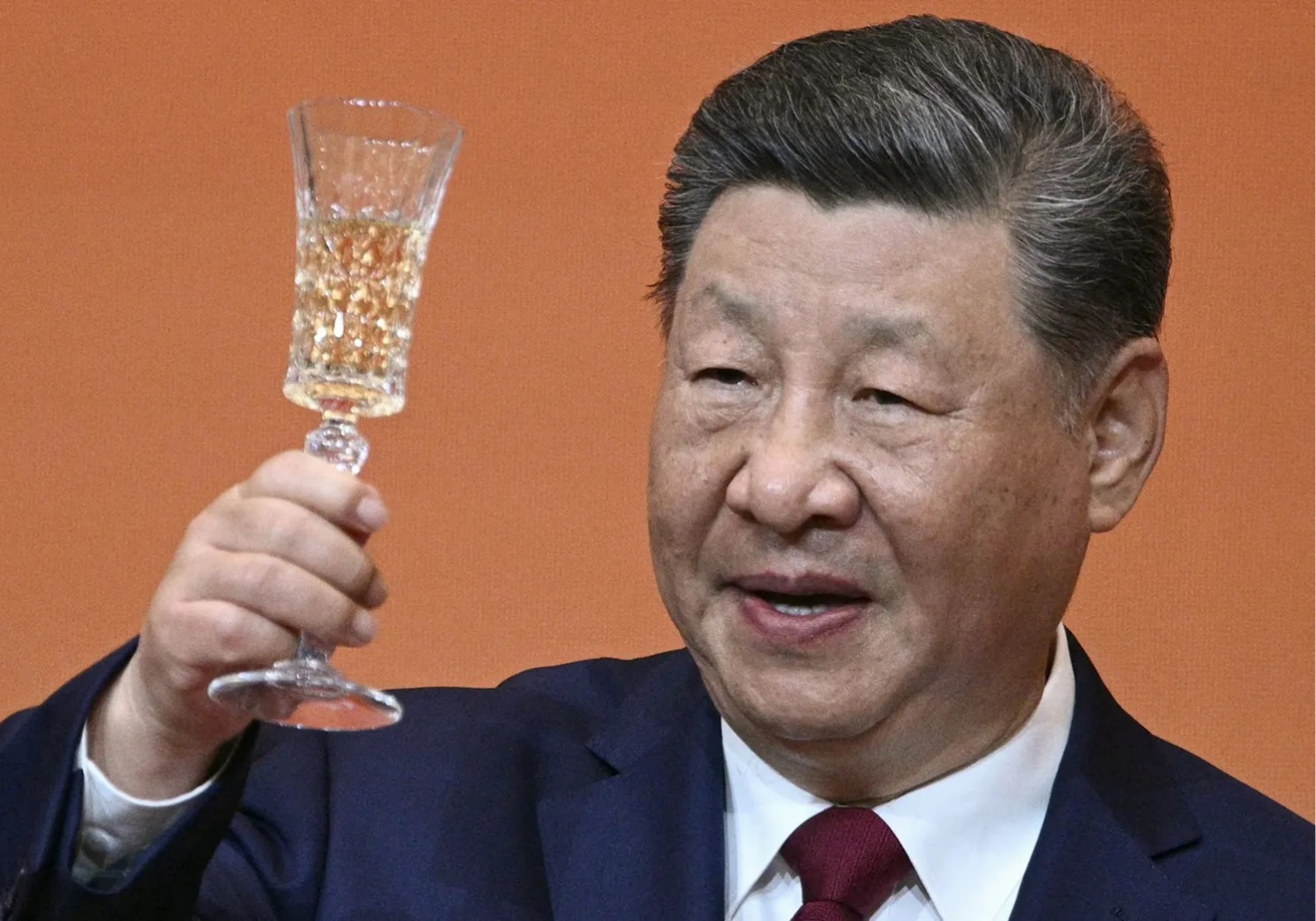
The United States and China agreed to develop a “constructive relationship of strategic stability”, according to the official summit statement released by Beijing. Xi said China would treat this as the guiding framework for the next three years and beyond. The closed-door session lasted around two hours and fifteen minutes. The White House called the meeting “good”. At a subsequent state banquet, Trump invited Xi and his wife for a reciprocal visit to the White House on 24 September. However, as analysts at the Council on Foreign Relations had predicted, the meeting appeared more an effort to stabilise relations than to resolve long-standing disputes. Zongyuan Zoe Liu, senior fellow for China studies, wrote in an analysis quoted by Fox News: “Trump arrives seeking headline deals and visible momentum ahead of the midterms. Xi is playing a longer game, focused on strategic patience rather than substantive compromise.” The trip will conclude on Friday with a second day of talks. It remains to be seen whether the images of handshakes will translate into concrete results or whether, as some observers fear, the real outcome of the summit will simply be its own existence.
s.Y.T.
Silere non possum