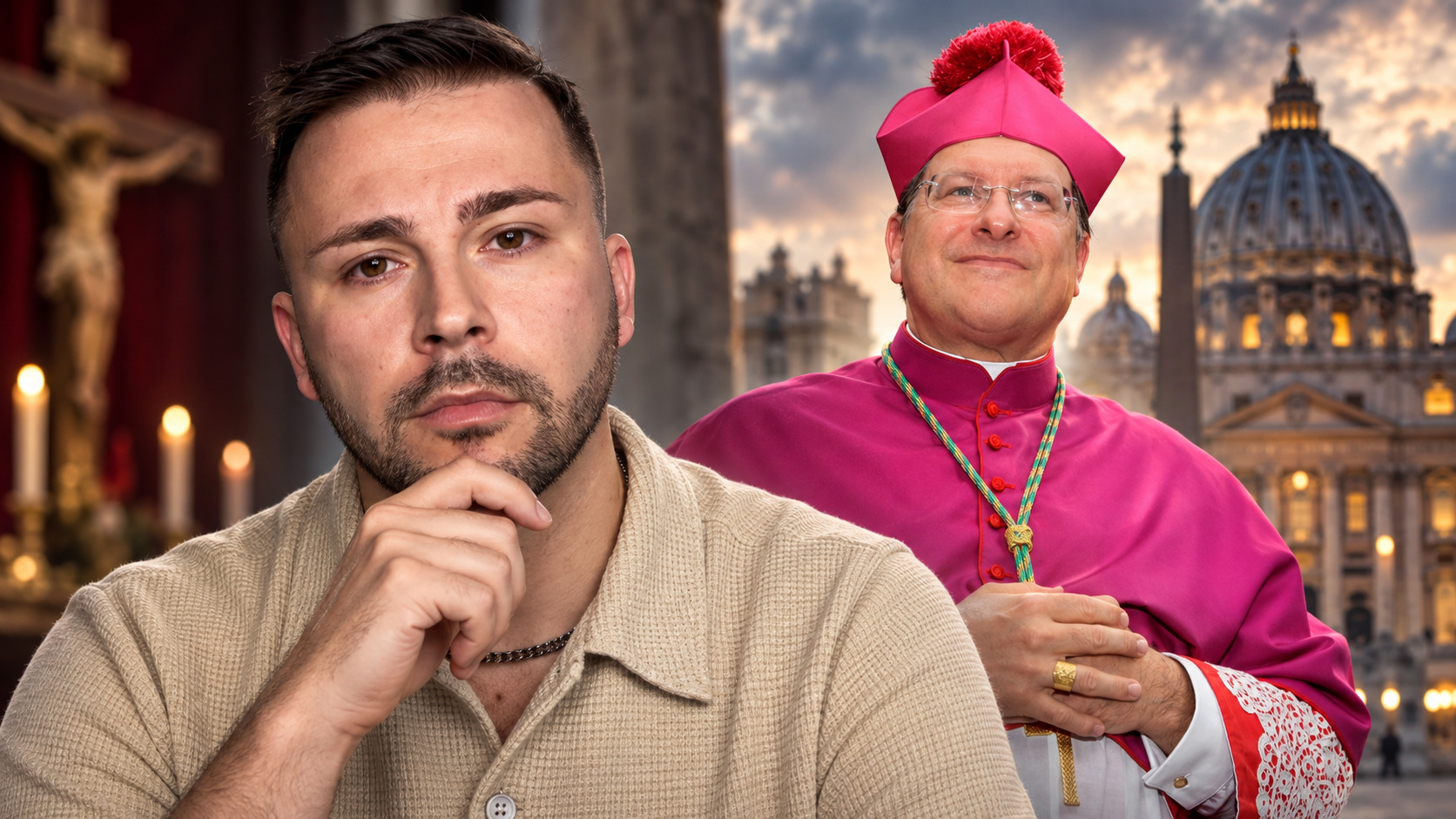
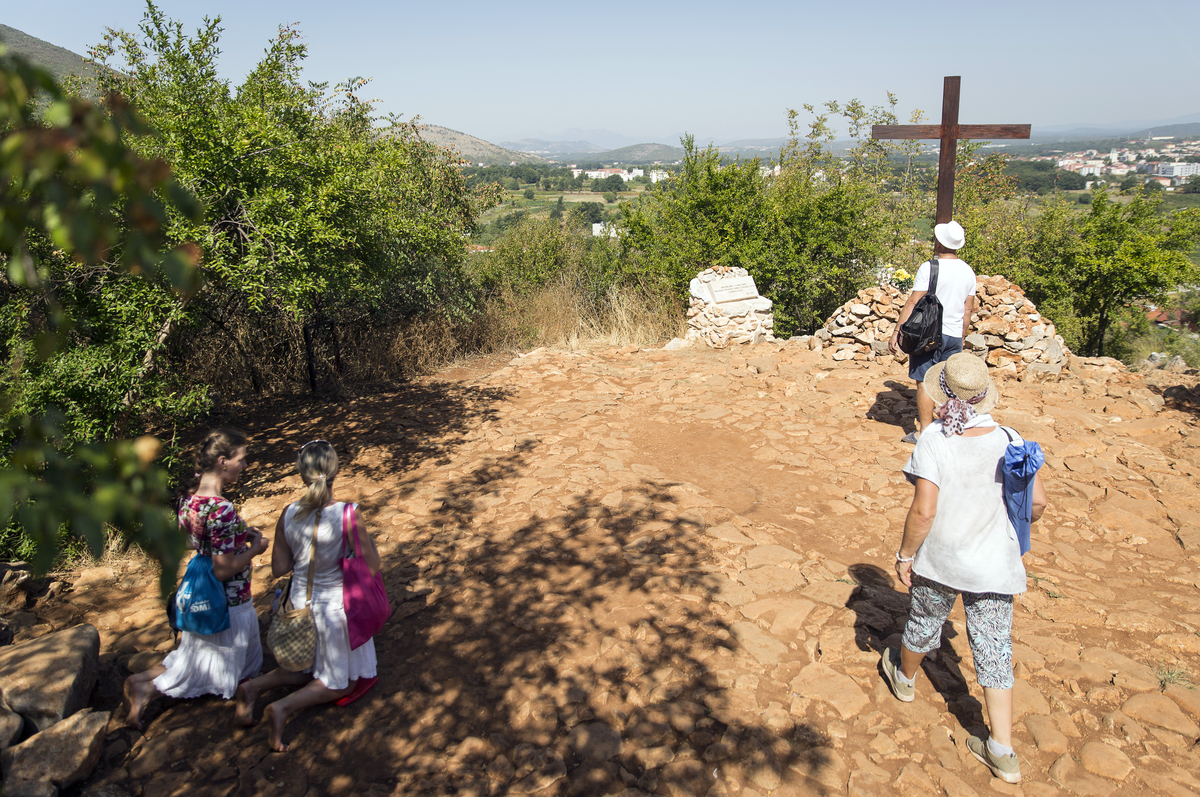
Bartłomiej Włodzimierz Krakowiak had walked more than 1,300 kilometres from Warsaw to the shrine at Medjugorje in Bosnia and Herzegovina. The pilgrimage brought him sudden public prominence and even secured him a leading role in the Polish documentary «Powołany 2». His story was held up as the shining testimony of a conversion that moved thousands of Catholics in Poland and beyond.
On 28 July, the same man, now thirty-one, was arrested by Bosnian police on suspicion of daubing the statue of the Virgin venerated on the hill of the alleged apparitions with black paint and attempting to set fire to the outdoor altar at St James’s parish church. He also left behind a banner branding Medjugorje’s six original visionaries frauds. He now faces up to five years in prison.
Only a few years separate the celebrated pilgrim from the vandal led away in handcuffs. In that brief interval, Krakowiak’s inner turmoil appears merely to have changed form, without ever finding any genuine resolution. So long as it took the shape of an itinerant asceticism, of tears shed before an audience and of a testimony capable of filling halls and churches, Catholic circles interpreted it as evidence of grace. None of those who listened to him in rapt attention seems to have wondered whether, behind that all-consuming fixation on a place, a supposed apparition and an experience retold without end, there lay a suffering that called for clinical as well as spiritual attention.
His story, after all, served its purpose. It could be paraded as a banner, used to confirm a narrative already in place and presented to the faithful as living proof of the saving power attributed to the shrine. When that same vulnerability, never properly examined or treated, took a destructive turn, a brief and piously worded statement was enough to reverse the entire script. The exemplary convert became an unstable man, a provocateur and, in the eyes of some, even a Satanist: an alien presence from whom everyone suddenly felt compelled to distance themselves.
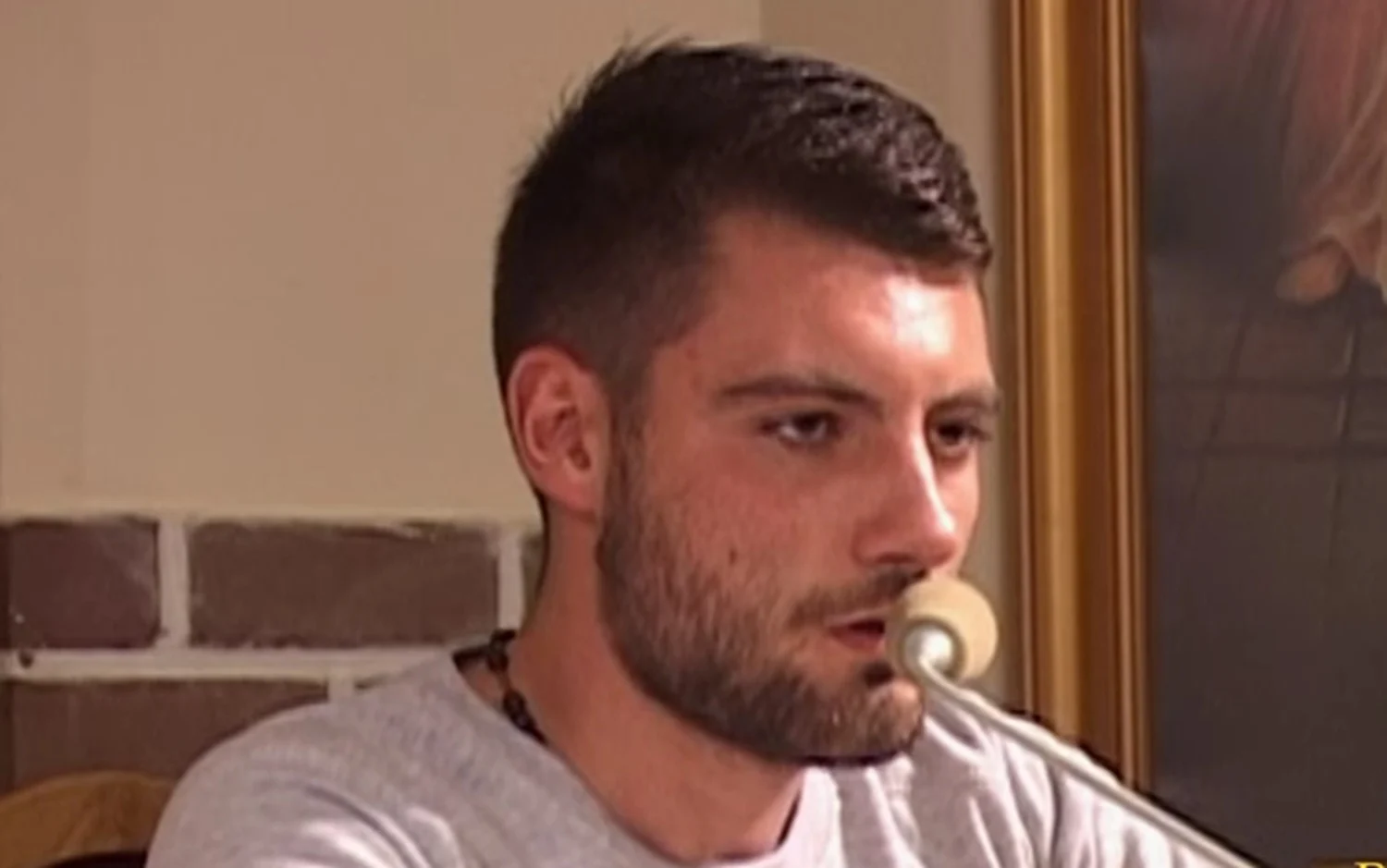
René Girard identified the mechanism by which a community lays upon one individual the burden of a contradiction it refuses to recognise as its own. The scapegoat is first invested with symbolic meaning, sometimes even exalted, and then sacrificed so that the group may recover its cohesion by expelling whatever troubles it. Krakowiak remained useful for as long as his story sustained the mythology surrounding Medjugorje. Once he became an embarrassment, he was returned to the solitude from which, in all likelihood, he had never truly emerged.
Religious history has long been familiar with this movement between veneration and repudiation. In early eighteenth-century Paris, alleged miraculous cures and violent seizures multiplied around the tomb of the Jansenist deacon François de Pâris. The so-called convulsionaries of Saint-Médard drew enormous crowds. Popular devotion embraced and encouraged the phenomenon for as long as it could be admired as a prodigy. When the convulsions became a source of public disorder and political scandal, the Crown closed the cemetery and royal physicians dismissed the episodes as fraudulent.
An anonymous hand then posted the famous inscription: «De par le roi, défense à Dieu de faire miracle en ce lieu» - by order of the King, God is forbidden to perform miracles in this place. Nothing in the phenomenon itself had suddenly changed. It had simply ceased to be useful to those who controlled its meaning.
A similar pattern emerges from Gabriella Zarri’s studies of the so-called «living saints» and the simulation of holiness between the Middle Ages and the early modern period. Mystical women welcomed and patronised by the Italian courts of the Renaissance could become instruments of religious and political legitimation. Their reputations were cultivated for as long as they generated support, prestige and influence. When that same fame escaped control or ceased to serve the power that had fostered it, the saint could be handed over to the ecclesiastical courts and accused of «feigned holiness».
The boundary between the mystic and the possessed woman, between the inspired woman and the fraud, was therefore drawn according to power, interest and expediency. Michel Foucault understood this when, in «Madness and Civilisation», he showed that the line separating vision from delusion also depends upon the authority claiming the right to draw it. Society does more than recognise madness: it confines it, gives it a name and decides when it should be heard, when it should be displayed and when it should be locked away.
Krakowiak’s case belongs to a much wider landscape involving the archipelago of lay associations and communities that have grown up around Medjugorje spirituality. There are around forty of them. Many work with people affected by drug addiction, alcoholism, social exclusion or profound psychological distress, offering programmes in which therapeutic and spiritual language are continually merged.
The Nuovi Orizzonti Community, founded by Chiara Amirante, has developed the so-called «Spiritherapy», presented as a method combining psychological and spiritual elements. Behind this appealing and readily marketable formula, however, lies a decisive question: what qualifications do those dealing with addiction, trauma and illness actually possess, and to what form of professional oversight are they subject?
People working within these organisations often hold no degree in psychology, possess no professional qualification and are not registered with the relevant professional body. When individuals without clinical training acquire authority over the consciences of vulnerable people, the danger of abuse, manipulation and emotional dependency becomes very real. Accounts gathered over the years sometimes depict environments dominated by emotional excess, personality cults and an obedience confused with healing. At Nuovi Orizzonti, the blurring of the internal and external forums is commonplace. The rehabilitation community thus gives way to a closed structure in which the founder or person in charge claims the right to interpret every action, every relapse and every form of resistance in spiritual terms.
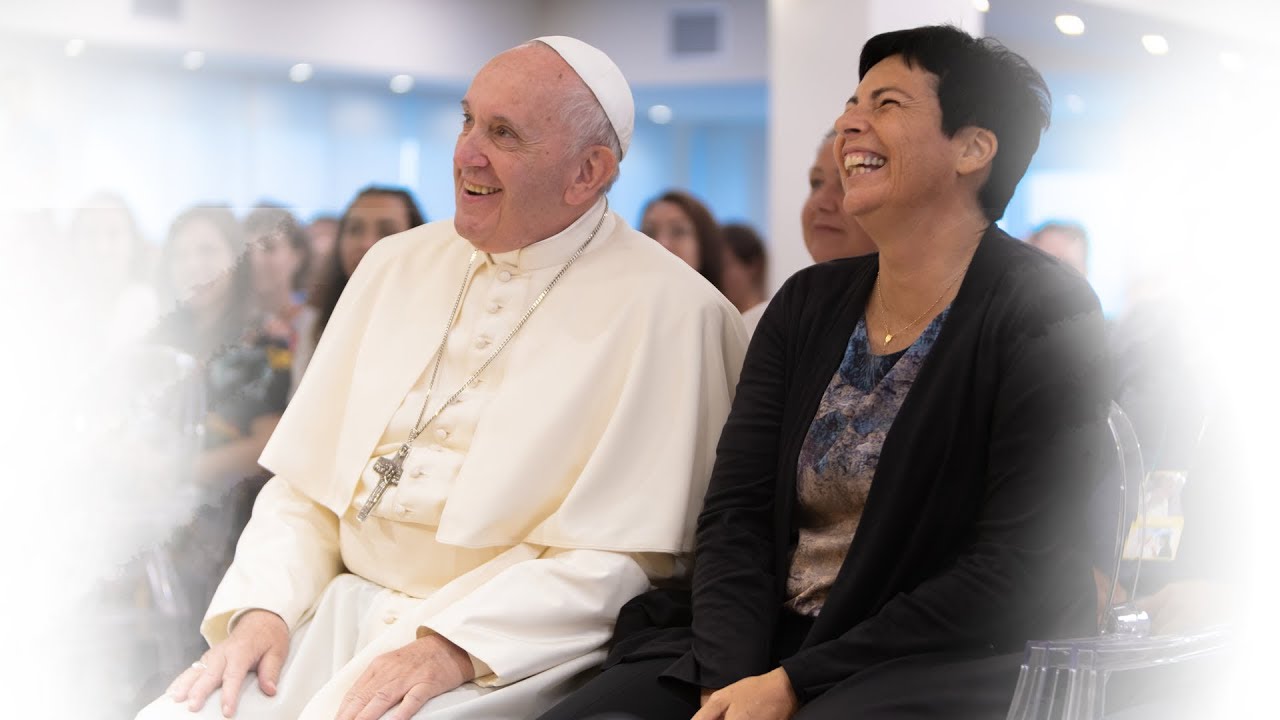
The same phenomenon now thrives on social media, where Instagram pages and TikTok accounts run by self-appointed «sole guardians of the authentic Catholic faith» cultivate their followings according to the logic of guru culture: hard-line positions, crude simplifications and religious rhetoric used as an ideological coating for the most radical expressions of the far right.
The algorithm rewards verbal aggression, confrontation and excess. Views, comments and shares rise, along with the standing of those who have learnt to turn the Gospel into an instrument of identity-driven mobilisation.
The same logic operates within ecclesial communities whenever personal experience is stripped of its complexity and fed wholesale to an audience. The drug addict, the alcoholic and the person emerging from a psychological crisis become living proof of a method. Their stories are taken to church pulpits, presented at conferences, inserted into documentaries and used to demonstrate that the proposed programme «works».
In reality, the wounded person becomes a trophy. Their private life, relapses, traumas and shame are subordinated to the community’s propaganda needs. This happens regularly in organisations such as Nuovi Orizzonti, where it has become customary for lay people to recount their drug addiction publicly from church pulpits. The individual comes to be identified entirely with their fall and with the edifying narrative others have constructed around it. The method resembles that of sectarian organisations, including certain Mormon circles, in which public confession and the story of rebirth strengthen the group’s hold over the individual.
At the root of this conduct lies a clear presumption: «I, the community, decide who you are.» It is a form of appropriation of the individual that is being asserted with increasingly disturbing arrogance within the Catholic Church. Everything changes as soon as the trophy begins to crack. Should the person relapse, protest, resist control or do anything capable of damaging the community’s reputation, they are discarded as swiftly as they were once displayed. The original problem, after all, was never addressed. It was merely smothered beneath the reassuring glaze of «Spiritherapy».
Religious explanations then provide the community with an escape from responsibility. The devil is invoked, grace is said to have been rejected, and failure is blamed upon the individual’s lack of faith or ill will. The system remains intact, while the vulnerable person is expelled and left to carry the entire weight of the scandal.
The conflation of psychology and spirituality therefore demands the utmost caution. Silere non possum warned of these dangers years ago, drawing attention to the consequences of a confusion as seductive as it is insidious.
When an addiction, a syndrome or clinically serious suffering is understood primarily as a «wound of the heart», possession, an inability to forgive or a grace received at Medjugorje, treatment risks becoming subordinate to the religious narrative.
Faith may support a person through treatment, provided that it respects professional competence, proper limits and the patient’s autonomy. It becomes dangerous when it claims diagnostic authority, substitutes spiritual discernment for clinical assessment and decides which forms of suffering are sufficiently edifying to deserve a platform and which must be hidden because they threaten the community’s image.
In Krakowiak’s case, the problem long predates the vandalism committed on the hill at Medjugorje. When his distress took him on a 1,300-kilometre pilgrimage, it was hailed as religious fervour. When that same distress ended in black paint and an attempted fire, it was immediately attributed to mental illness or demonic influence. Meanwhile, no one seems to have asked how he was actually doing, either before his face became that of the «model convert» or before his fall turned him into an outcast.
To acknowledge this omission would mean accepting a deeply uncomfortable collective responsibility: psychological suffering was mistaken for holiness, amplified and exploited for as long as it served the cause. It is far easier to write Krakowiak off as a lone madman and disown any connection with the environment that once celebrated and applauded him.
The only possible hope today concerns him. It would be futile to expect an examination of conscience from certain communities. Anyone who attempts to confront them with their responsibility is immediately discredited, attacked and smeared, as though guilty of having dared to name a disease that has already spread like metastatic cancer.
The hope is that this young man may finally find someone prepared to listen to him without turning him into a symbol, a religious guru, a convert, a demoniac or an enemy of Medjugorje. Someone capable of reaching the person who remained buried for years beneath the persona others had constructed and used. Any miracle in his life will have nothing to offer documentaries or fresh testimonies from the pulpit. It will consist simply in the belated but essential possibility of no longer being left alone.