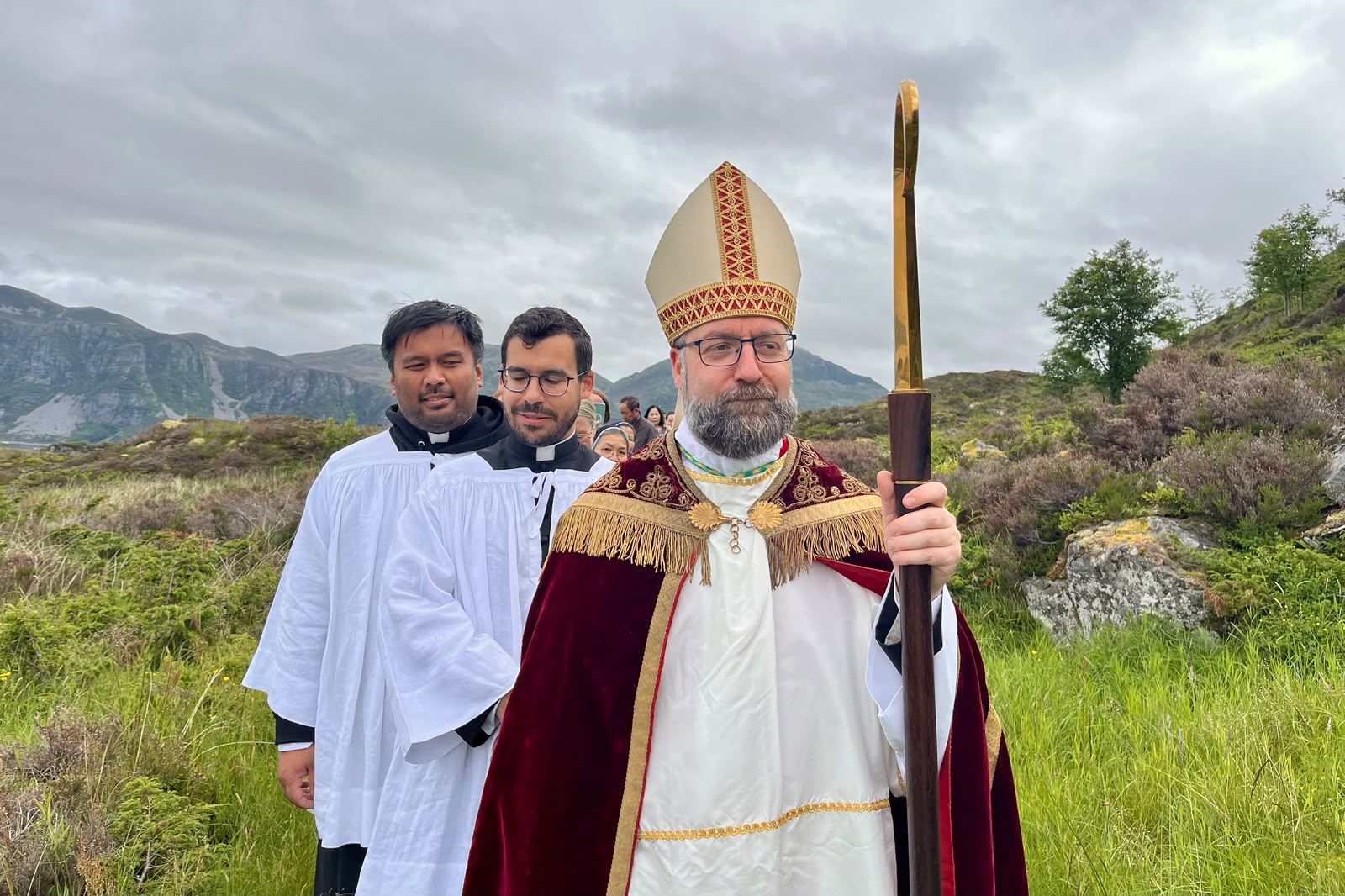
The Bishop of Oslo, Fredrik Hansen, has called the first synod in the history of Norway’s Catholic diocese. He made the announcement on 29 July, the feast marking the martyrdom of St Olav, during a Pontifical Mass at St Olav’s Cathedral, just over a year after taking up leadership of the diocese.
In his homily, Hansen recalled the Norwegian king as a figure who helped build the Church in Northern Europe, stressing in particular his efforts to bring bishops and priests into the country so that the Word could be proclaimed and the sacraments celebrated throughout the kingdom. That work, the bishop said, remains unfinished: “Building the Church in our country and in our diocese is not something St Olav completed.”
The decision to call a diocesan synod also reflects the age of many of the pastoral documents and structures currently in place. The diocesan pastoral plan dates from 2015, the plan for children and young people from 2017, the guidelines on the pastoral care of immigrants from 2014, and those on catechesis from as far back as 1999. The statutes governing parish councils and parish finance councils date from 2007 and 2008 respectively. The diocesan pastoral council, whose statutes were revised in 2023, ceased to exist under canon law when the diocese changed bishops last year.
Hansen also set the decision in its historical and legal context, tracing the development of synods from the assemblies of the early Church to diocesan synods as they later came to be understood. The Council of Trent required them to be held annually, while the 1917 Code of Canon Law prescribed one every ten years. Under the current Code, canon 461 §1 leaves the decision to convene a diocesan synod to the bishop. Hansen also referred to Apostolorum successores, which describes the diocesan synod as the principal consultative body through which the faithful take part in the pastoral governance of a diocese.
Before formally calling the synod, Hansen completed the required canonical consultations. He consulted the presbyteral council and informed the Apostolic Nunciature, his predecessor as Bishop of Oslo and the Bishop of Trondheim, who chairs the Nordic Bishops’ Conference. The decree convoking the synod was signed in the sacristy immediately after Mass.
The next step will be to appoint a preparatory commission, a secretariat and a moderator. A broad consultation will then take place across the diocese, involving every parish, monasteries, diocesan councils and commissions, associations and institutions, as well as individual members of the faithful. Parish priests have been asked to organise listening meetings in their own communities.
Working groups will then examine the material gathered and prepare a new comprehensive pastoral plan, together with new statutes for the diocesan pastoral council, which is to be re-established, and for parish and local finance councils. The drafts will later be discussed at wider assemblies bringing together representatives from across the diocese.
Hansen has set 29 July 2029 as the date on which he intends formally to promulgate the final documents. The synodal process will therefore form part of the preparations for 2030, the millennium of St Olav’s martyrdom. The diocese has already launched a number of initiatives ahead of the anniversary, including a pilgrimage to the Olavskilden spring at Vatnås, where around eight hundred faithful were expected in the days following Hansen’s homily.
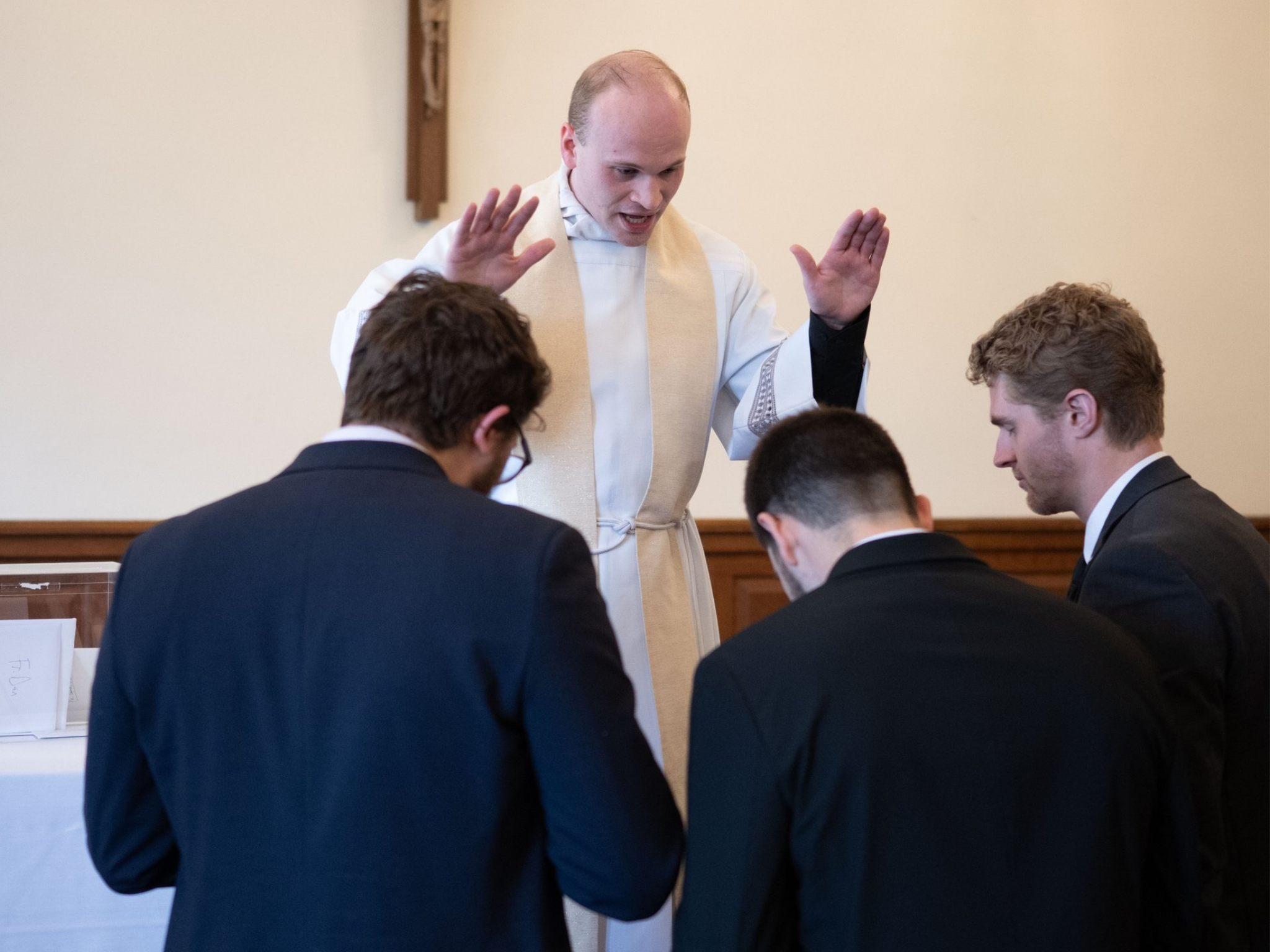
During the same Mass, the bishop also admitted David Ottersen and André Nguyen as candidates for priestly ordination, asking those present to pray for their formation and for new vocations. Drawing on the First Letter to the Corinthians and the Second Vatican Council’s constitution Lumen gentium, with its emphasis on the variety of charisms that build up one body, Hansen linked the announcement of the synod to the image of a Church built through the contribution of all its members.