While harpies great and small crowd around the Dome of St Peter’s, busily speculating about Mauro Gambetti’s possible appointment to an Italian diocese and the arrival at the Basilica of yet another archbishop cast aside by the Vatican establishment, the Franciscan cardinal continues undisturbed with his work of wrecking the Vatican Basilica. Gambetti was fast-tracked straight from Assisi to the Vatican, picking up both a bishop’s mitre and a cardinal’s red hat along the way under the convenient “two-for-one” formula. Since then, this follower of some vaguely defined Saint Francis - extensively revised and adapted to suit the prevailing fashions of recent years - has pushed through projects that have left St Peter’s Basilica and its Fabric facing eye-watering bills.
Only a few months ago, we exposed another of his extraordinary ventures: the plan to expand the refreshment facilities on the Dome of St Peter’s. The work currently being carried out up there, however, is far more extensive and forms part of the scheme already reported by Silere non possum, when we revealed Mauro Gambetti’s intention to create yet more paid visitor routes. That strategy is already being implemented inside the Basilica, where the cardinal has introduced a distinction between “visitors” and “worshippers”, giving St Peter’s an increasingly museum-like character. The faithful are channelled, separated and classified according to different routes, while access to the most important basilica in Christendom increasingly resembles entry to a tourist attraction. The next step is now easy enough to predict: the introduction of an admission charge, perhaps concealed behind some elegant administrative euphemism, completing the transformation of the Apostle’s house into a ticketed museum.
The work now appears to be almost complete
The images we are publishing exclusively for our readers clearly show the scale of the work carried out on the Basilica’s terraces and roofs. The point where the roof previously ended can still be made out, while the new wall built after part of the roofing was cut away is plainly visible.
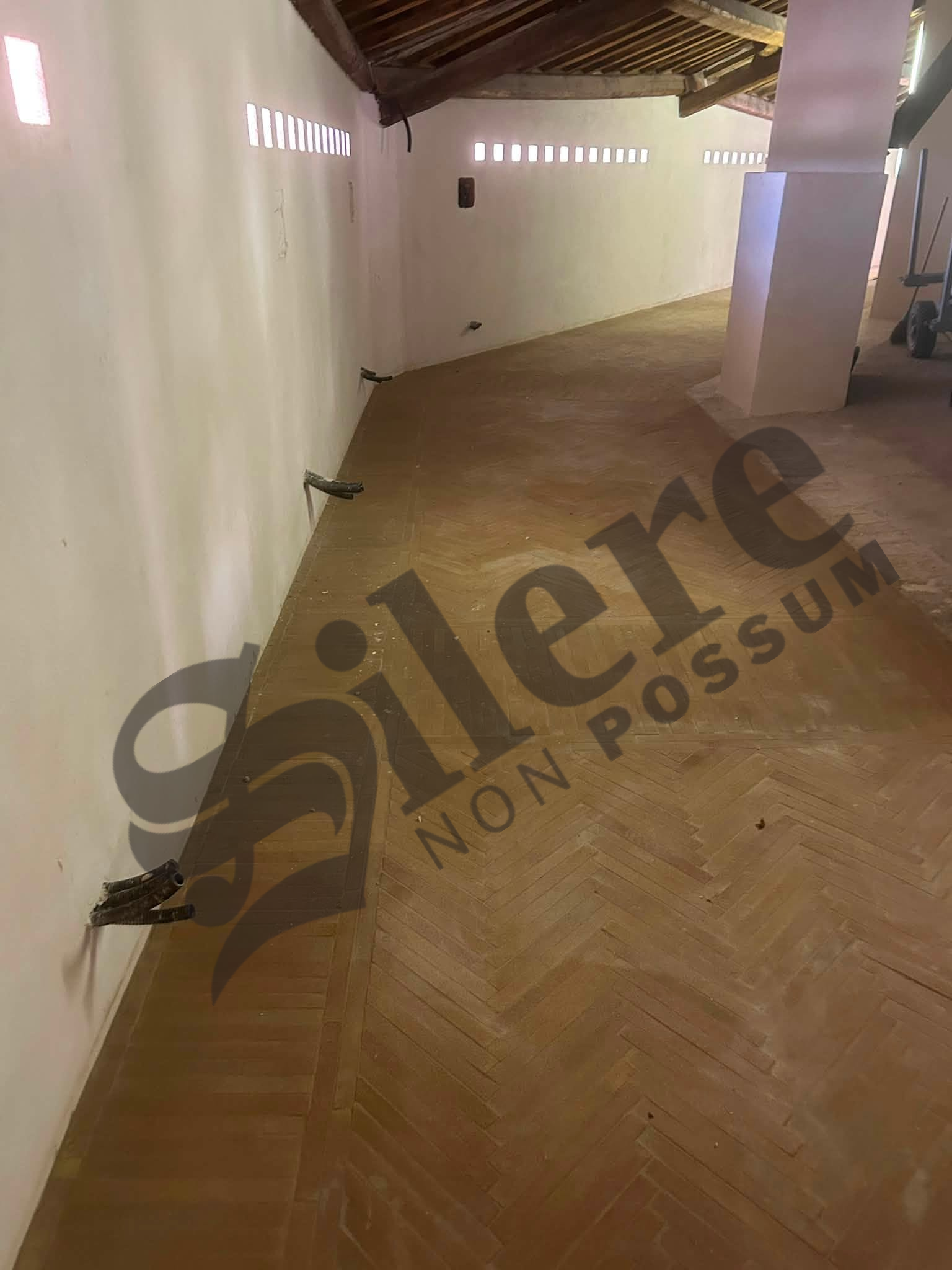
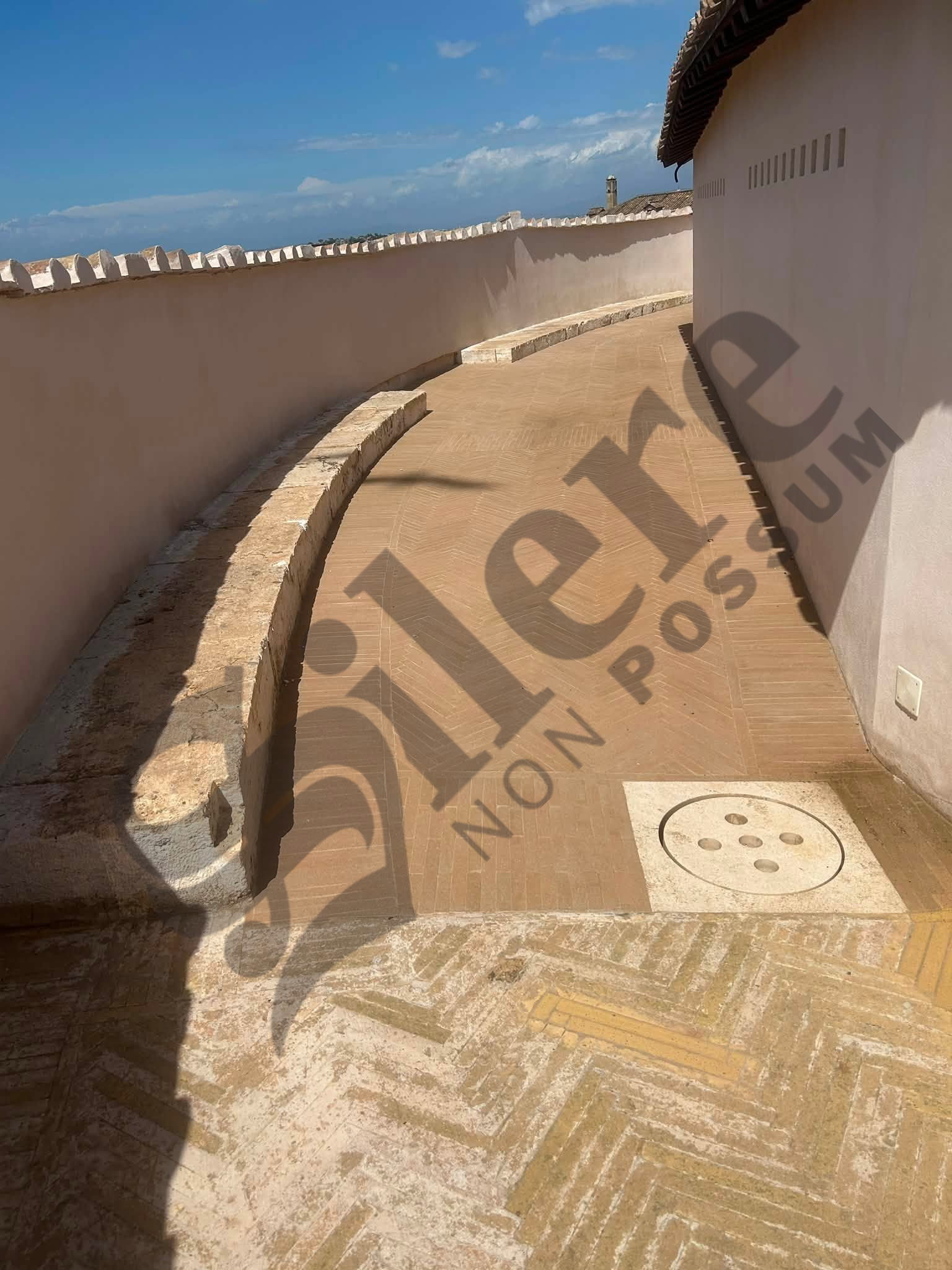
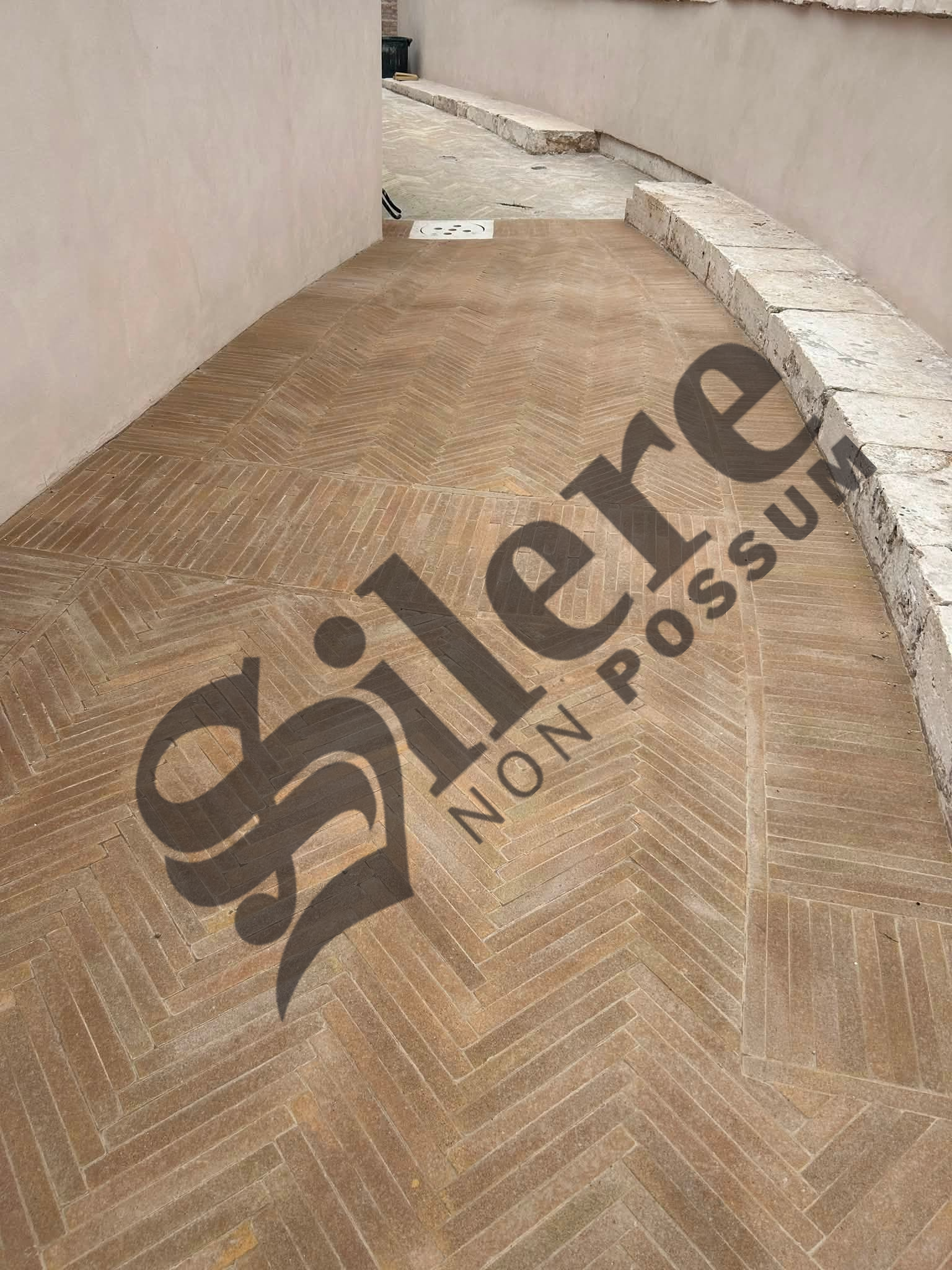
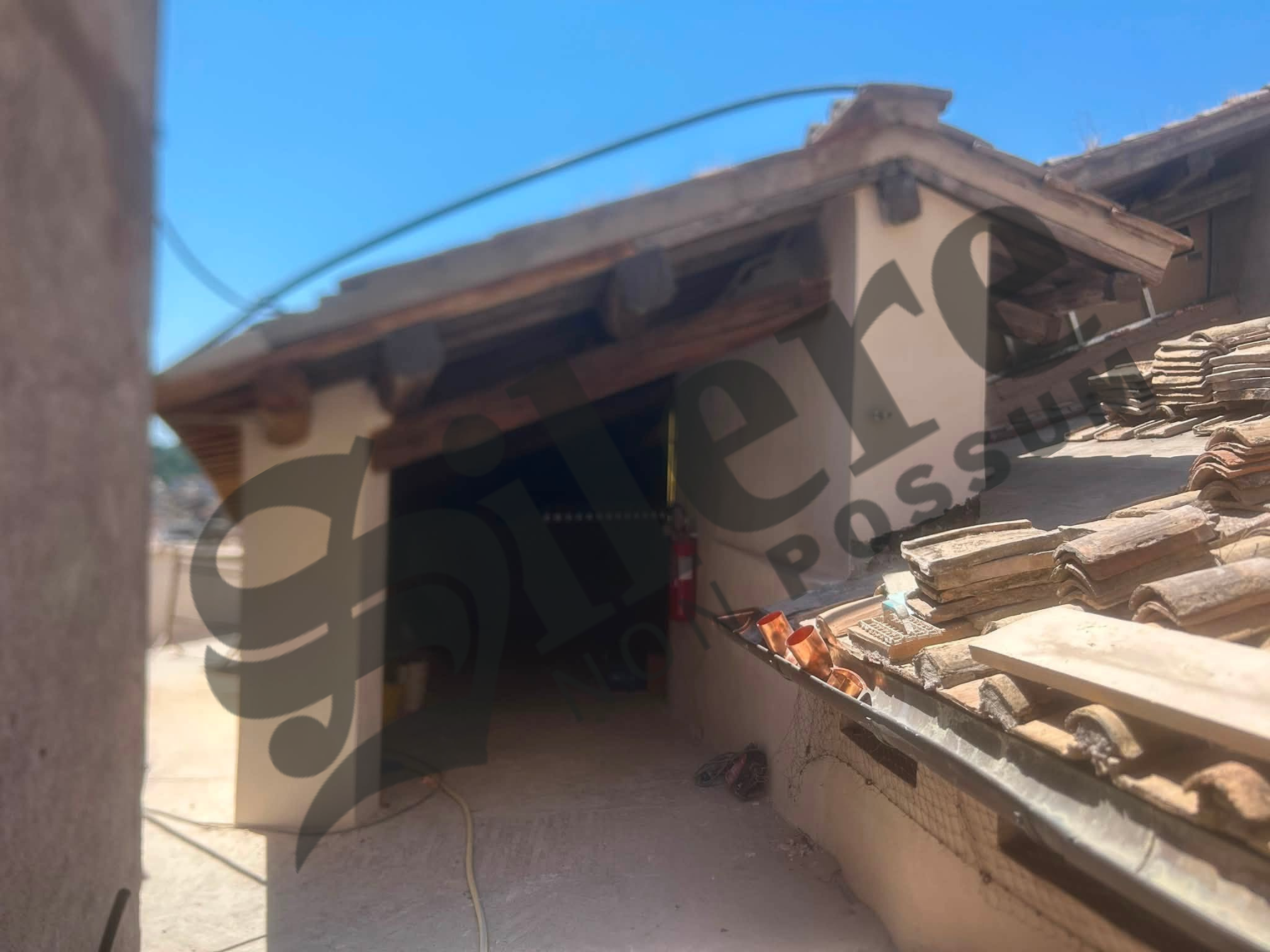
The paving offers equally tangible evidence of the transformation. The new section, brighter in colour, runs alongside the original surface. The difference in colour and materials is unmistakable and gives a clear sense of the scale of the project. The aim is to create an outdoor walkway around the Dome, which will be incorporated into the paid visitor routes. The interior spaces, once used as storerooms by the Fabric of St Peter’s, will instead be used for exhibitions and displays. To create new sources of revenue, the decision was therefore taken to remove the storerooms, cut through the roofs, build new walls and alter part of the Basilica’s terraces. Once again, the history and architecture of St Peter’s are being bent to the demands of tourist monetisation. The pilgrim is gradually being replaced by the customer, while the Basilica risks taking on the character of a vast religious theme park, complete with panoramic walkways, admission charges and future exhibitions.
One question remains, and it is far from trivial: how much has this operation cost? Labour, concrete, cables, paving, roof tiles, beams, gutters, drainage channels, demolition, reconstruction and alterations to the building’s systems. A project on this scale inevitably comes with a substantial price tag.
The public should therefore be told the total cost of the work, the criteria under which it was authorised and what assessments were carried out to establish whether it was compatible with the historical, architectural and symbolic value of the Basilica. In any case, storerooms presumably have little purpose left for a Fabric of St Peter’s which, under Gambetti’s management, has gradually dismantled the sampietrini workforce and outsourced an ever-growing share of the work to external contractors. Once an in-house workforce has been dispensed with, the spaces used to store its tools and materials inevitably become redundant. Whatever remains can then be turned into another opportunity to make money.
Favoured contractors and growing amoral familism
The work was carried out by Lunghi Srl. And where is the company based? Assisi. A geographical coincidence that is certainly striking, particularly when the contract was awarded by a cardinal who came from that very Umbrian city and who, over the years, has surrounded himself with collaborators, companies and contacts drawn from the same circle. Years have passed, the scandals surrounding Mauro Gambetti’s management have multiplied, and the Fabric of St Peter’s has been dragged through a succession of questionable decisions, enormous expenditure and alterations presented as unavoidable.
Yet the Franciscan friar continues to operate with enviable ease. Not even Pope Leo XIV’s intervention appears to have slowed the machinery down. The Pope even sent one of his own secretaries to inspect personally what was happening up there on the Basilica’s terraces. The “bulldozers” of the Gambetti revolution, however, evidently stop for very little and are not easily intimidated, even by papal scrutiny. Around St Peter’s, people are discussing the cardinal’s possible departure, the diocese that may have the misfortune of receiving him and the successor who will inherit the Basilica. In the meantime, Gambetti continues physically to reshape its structure.
When he eventually leaves the Vatican, Gambetti will not do so without having left a deep physical mark on the Basilica: walls erected and others drilled through, roofs cut away, storerooms removed, paving replaced, and a succession of projects that have gradually transformed the Pope’s Basilica into an increasingly museum-like complex.
To this record of building work must be added an equally damaging economic and reputational balance sheet. One need only recall Gambetti’s decision to bring the convicted criminal Mauro Moretti, now in prison, into the Vatican, or the vast sums committed to the project developed with Microsoft. The faithful would have preferred to see that money spent on safeguarding, restoring and maintaining the Basilica, whose condition in several areas continues to leave much to be desired.
Saint Francis preached poverty. Mauro Gambetti, by contrast, appears to have professed vows in an order where poverty survives only in sermons, while spending, building sites and ticket offices dominate the accounts.
Fr.A.C.
Silere non possum