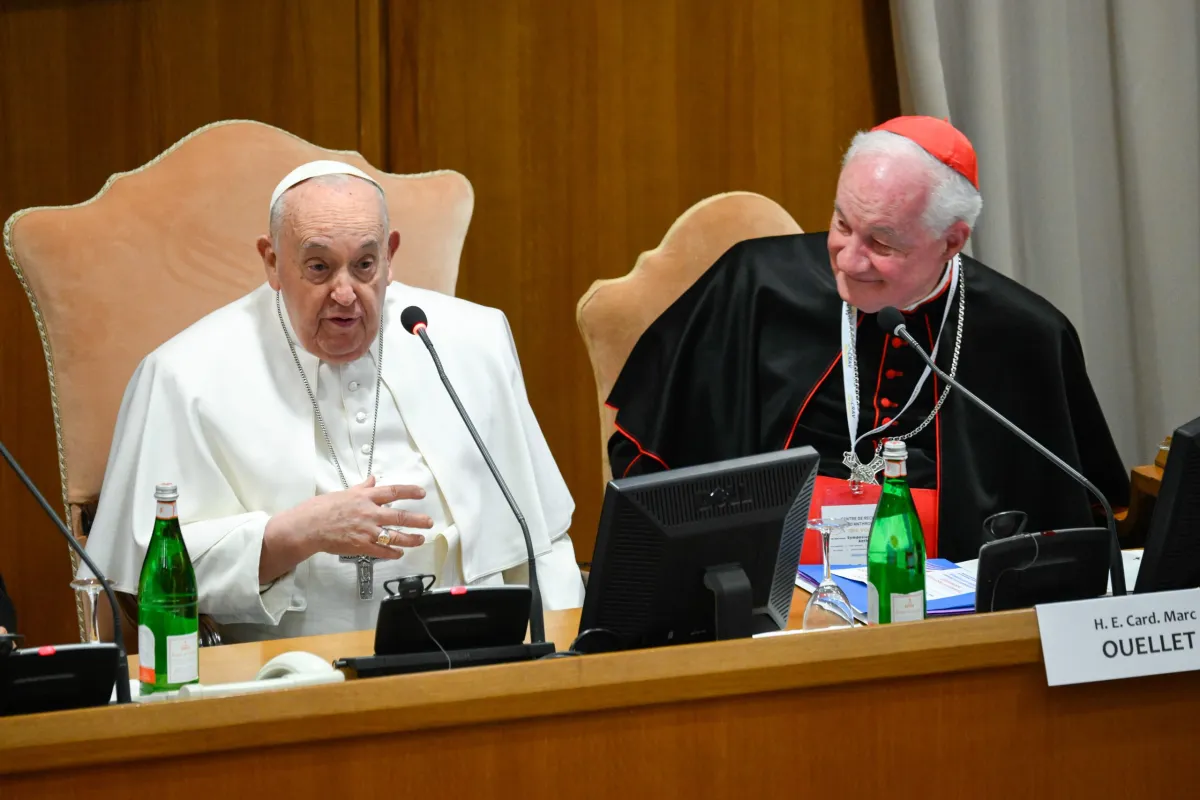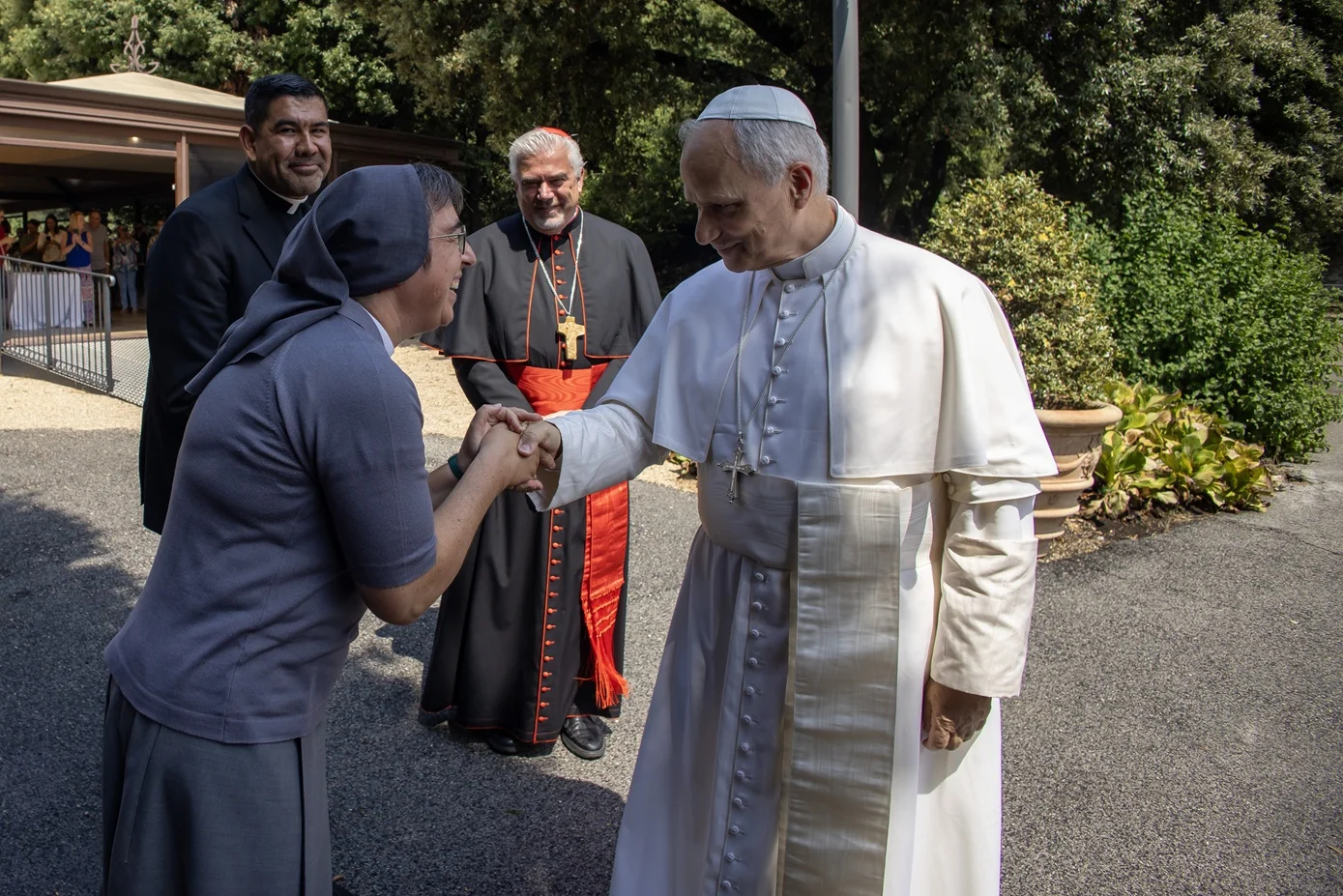
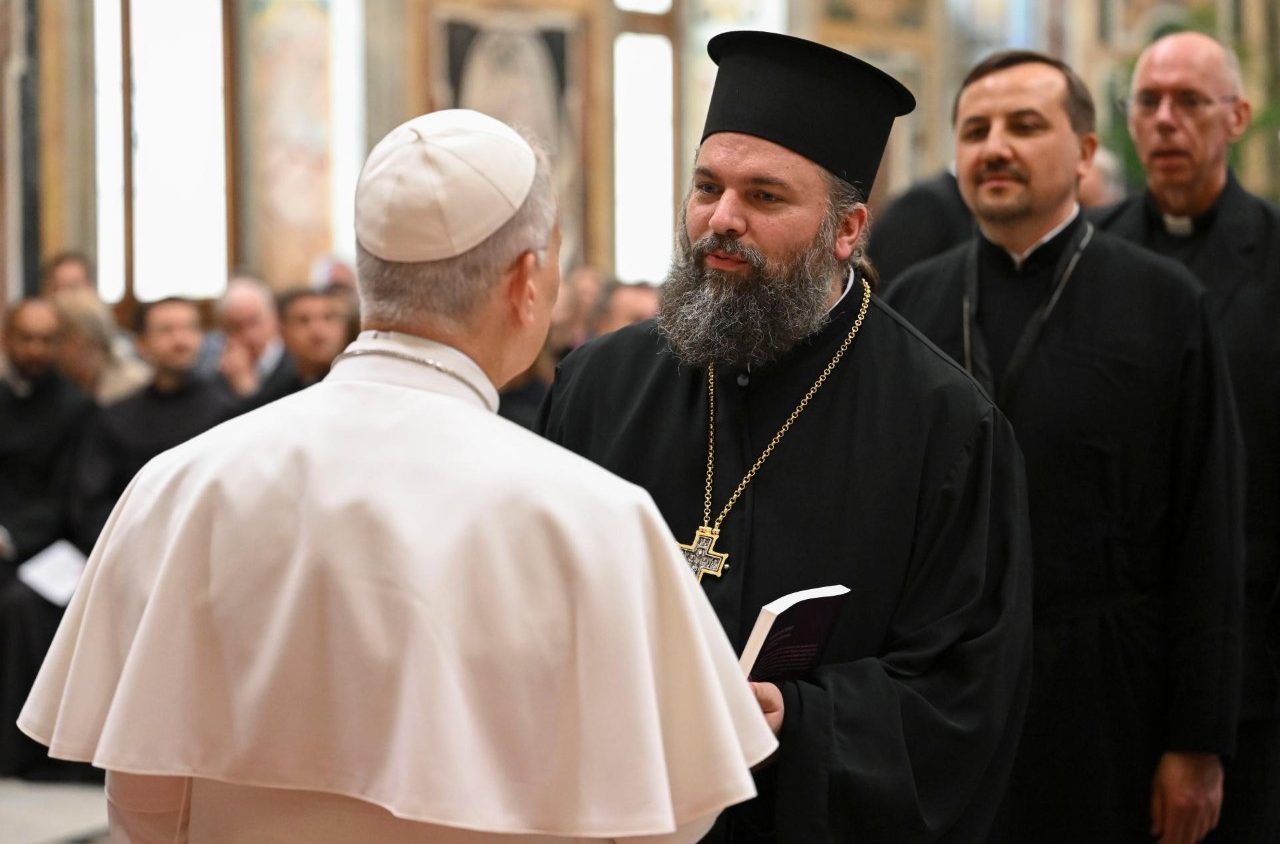
Vatican City - This morning, in the Clementine Hall of the Apostolic Palace, the Holy Father Leo XIV received in audience the participants in the 99th Plenary Assembly of the Reunion of Aid Agencies for the Oriental Churches (ROACO). At the close of the proceedings, the Pope addressed them in a speech which began with this year’s chosen theme - the formation of clergy and monks in Eastern seminaries and colleges - before broadening into a firm reflection on war and on what he described as the “instability” that continues to drain the life from the Christian communities of the East.
What is ROACO?
ROACO is the body that coordinates the Catholic agencies and works engaged in supporting the Eastern Catholic Churches. Established in 1968 by Saint Paul VI, it operates under the aegis of the Dicastery for the Eastern Churches and brings together the main international aid organisations - from the commissions responsible for the Collection for the Holy Land to bodies such as CNEWA, Aid to the Church in Need and Missio - which channel resources to the Near and Middle East, the Caucasus, India, East Africa and Central and Eastern Europe. Each year its members meet in Rome for a plenary assembly, examine the projects to be funded and reflect in depth on a specific theme. This year, as the Pope himself recalled, their discussions focused on the formation of sacred ministers.
Formation and identity: “supporting a Church does not merely mean providing it with material means”
The first part of the address was an appreciation of the theme chosen for the assembly. Supporting a Church, Leo XIV explained, does not simply mean providing it with the material means to survive: “supporting a Church, in fact, does not mean merely providing it with material means of subsistence, but also helping it to grow in its identity and in its ability to evangelise”, an identity and ability rooted in the formation of its ministers.
From there, the Pope expressed his appreciation for the particular richness of the Eastern Catholic communities, guardians of traditions they share with the Orthodox Churches. He dwelt on the image of a Church “united, yet not uniform”, whose “fertile womb has given birth to various spiritual and theological traditions, as well as different rites and disciplines, which enrich one another”. In support of this, he cited the Second Vatican Council, which taught that the different theological formulations of East and West “are often to be considered complementary rather than conflicting”.
The Christian East, he warned, “can only be preserved if it is understood: to lose that understanding is to impoverish the Church”. To know and love it, however, there must be investment in formation — a need already indicated by John Paul II in Orientale lumen, from which Leo XIV took up the invitation “to deepen … knowledge of the spiritual traditions of the Fathers and Doctors of the Christian East” and to offer appropriate teaching on these subjects in seminaries and theological faculties.
To this bond between knowledge and charity, between “open minds and working hands”, the Pope added the need for a spiritual foundation: the spiritual life, constancy in prayer and participation in the sacraments. Good works, he recalled, referring to the Letter of James, bear no lasting fruit unless they are nourished at their source, which is God; and if “faith without works is also dead”, it is equally true that works, without a living faith, remain fruitless.
The denunciation: war and “instability”
In the second part of the address, reflecting on the service offered by benefactors, Leo XIV contrasted their work with that of those who fuel conflict, in a passage built on antithesis which struck those present: “while you generate life, they sow death; while you reach out to your brother, they seek enemies to crush; while you create dialogue, they seek monologues; while you open paths of hope, they lock people into fear; while you build the future, they destroy the present”.
The Pope then turned to the “painful exodus of Eastern Christians from their own lands”, caused above all by war, which - he repeated - “does not solve problems but creates tragedies”, tragedies too often consigned to oblivion.
From this comes the word around which the whole appeal revolves: instability. Leo XIV described societies emerging from conflict as appearing calm on the surface, while in reality being “weakened by institutional instability, by the presence of armed gangs that divide up the territory and by a political system influenced and, not infrequently, manipulated by external agents and interests”. The result is “a perpetual cycle of instability, stifling opportunities for development and always falling hardest on the poor”: precarious work, irregular wages, sporadic healthcare and precarious education. This, he said, is what “drives many to leave”, as happens to so many of the faithful, especially in the Middle East.
War and instability, the Pope stated, “are not the result of an inevitable fate, but of free choices and, therefore, of morally accountable actions”; and history shows how the schemes of violence and domination ultimately turn back even against those who pursue them. Hence his appeal to consciences, so that “respect for humanity and a proper sense of civility be restored”.
Leo XIV finally thanked the donors who, in the name of the Gospel, continue to remedy “such inhumanity”, imparting his blessing and encouraging those present to persevere in charity without losing heart.
p.F.D.
Silere non possum