Vatican City - Four cardinals currently heading Dicasteries of the Roman Curia have already turned 75 and, as required by the regulations, have submitted their resignations to Leo XIV. A fifth had his resignation accepted only a few days ago and was replaced shortly before his 80th birthday. By the end of August, an archbishop who is not a cardinal will also turn 75 and will therefore be required to submit his resignation.
During the first eighteen months of the pontificate of Francis’s successor, generational change at the top of the Roman Curia has become one of the clearest tests of Leo XIV’s style of government. It also offers an opportunity to clarify a body of rules which, through a succession of apostolic constitutions and regulations, has become increasingly complex in the space of just a few years.
What do the rules say?
Article 17 §2 of Praedicate Evangelium simply states that Prefects and Secretaries must submit their resignation to the Roman Pontiff when they reach the age laid down in the General Regulations of the Roman Curia.
On 23 November 2025, Leo XIV promulgated new Regulations for the Personnel of the Roman Curia, replacing a framework that had remained unchanged since 1999. Article 41 of the previous General Regulations drew a distinction between two categories. Cardinal heads of Dicasteries, on turning 75, were merely “requested to submit their resignation” to the Pope. Other heads of Dicasteries and Secretaries, by contrast, automatically left office at the same age, without having to submit a resignation. The new Article 71 replaces this two-track system with a single rule. All heads of Curial institutions and Secretaries who are clerics, including cardinals, remain subject to the age limit of 75, but must now “submit their resignation” to the Roman Pontiff.
The change has two consequences. For cardinals, the wording is firmer: what was previously presented as a request is now expressed as an obligation. For other ecclesiastical office-holders, automatic retirement has been abolished and replaced by the same system already applied to cardinals, under which a resignation must be submitted and the final decision rests with the Pope. For the first time, the regulations also establish a separate age limit for lay officials. Lay heads of institutions, Secretaries and Directors - a category not treated separately in the 1999 regulations for these offices - leave service at the age of 70.
The retirement age for ecclesiastical Undersecretaries and for Undersecretaries who belong to Institutes of Consecrated Life has also been raised, from 70 to 72.
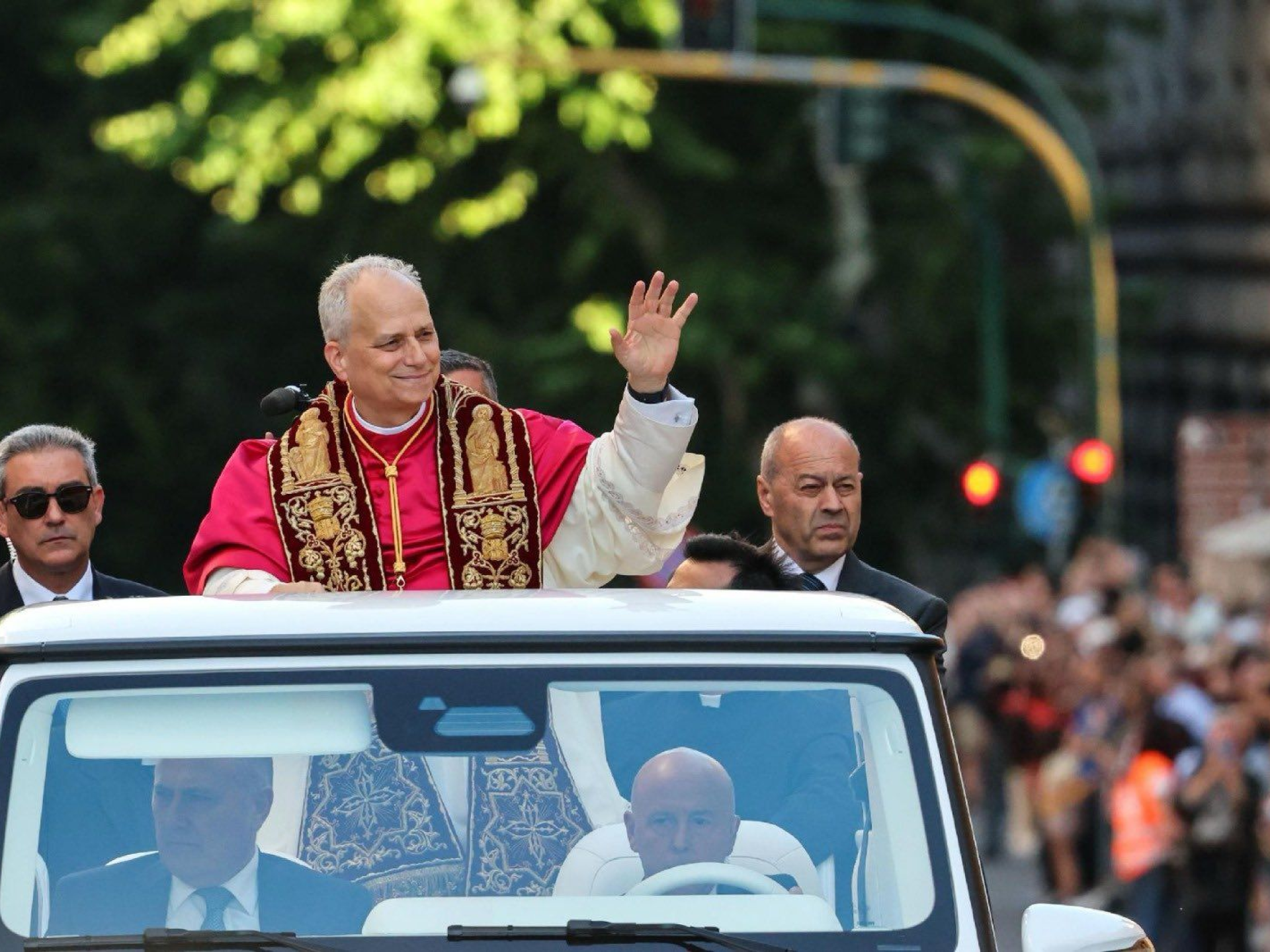
How does this differ from the rules for diocesan bishops?
Only one significant distinction now remains between the system governing the Curia and that applying to diocesan ordinaries: the length of the appointment. The heads of Dicasteries are appointed for renewable five-year terms. A diocesan bishop, by contrast, is not appointed for a fixed term and remains at the head of his diocese until his resignation is accepted or he is removed from office. As far as the wording is concerned, the difference is more apparent than real. Canon 401 continues to use the language of an invitation for diocesan bishops. On reaching the age of 75, a bishop is invited to submit his resignation to the Pope, who decides whether to accept it after considering all the circumstances.
The 2025 Regulations use more explicit language for cardinal heads of Dicasteries, stating that they “must submit their resignation”. This is, however, the same wording introduced in 2018 by the motu proprio Imparare a congedarsi, although at the time it applied only to non-cardinal heads of Dicasteries. In their case, it replaced the previous system under which they automatically left office at 75 with a requirement to submit their resignation.
Until 2025, cardinals remained subject to the same softer wording used for diocesan bishops: they were “requested” to resign. The change from a request to a requirement does not, however, alter the practical outcome. In both cases, a resignation has no effect until it is accepted by the Pope. Whether the person concerned is a diocesan bishop or a cardinal heading a Dicastery, the final decision remains entirely at the Pontiff’s discretion, as the following cases show.
The situation today
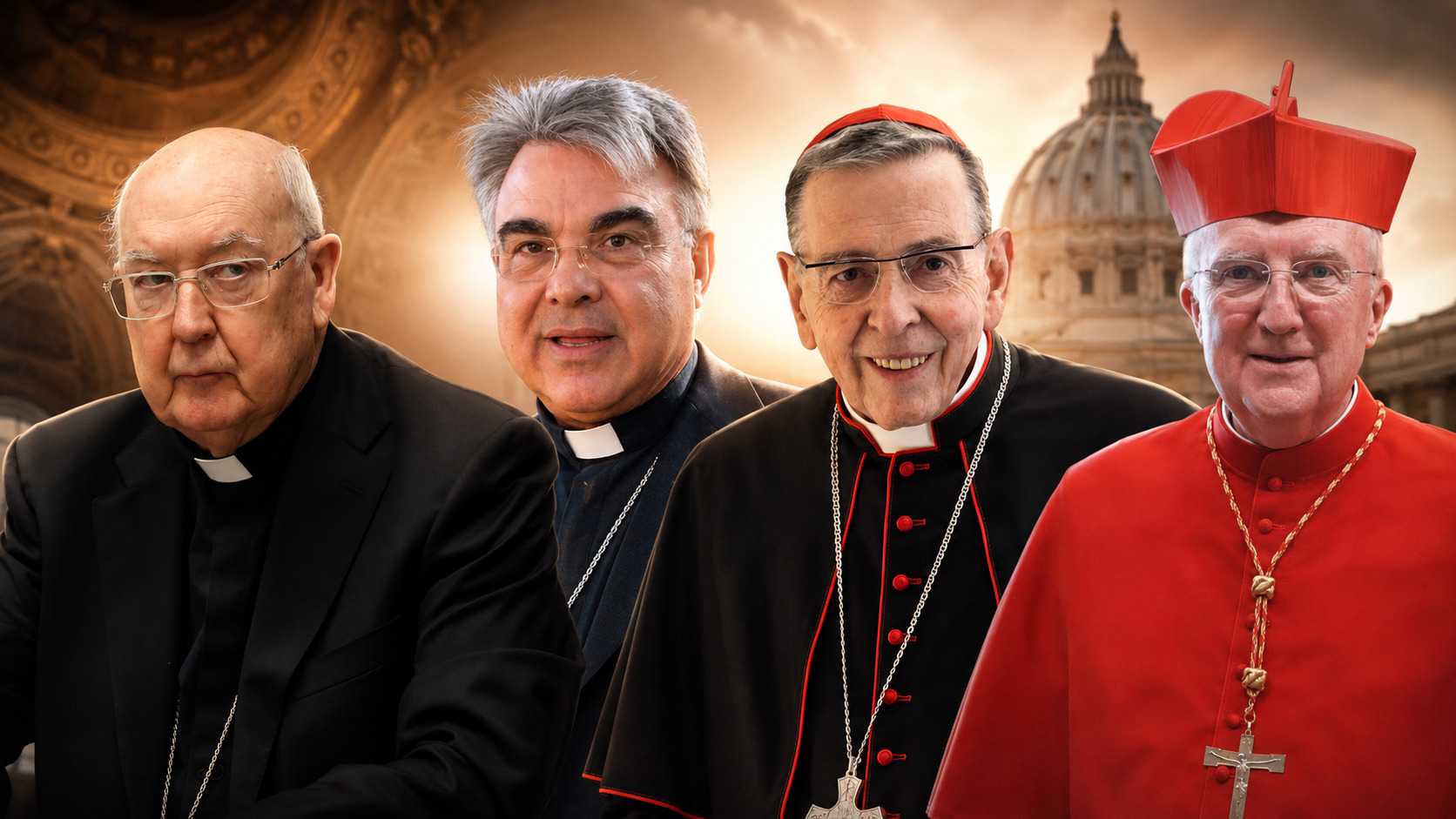
Cardinal Kevin Farrell, who holds four senior offices, including that of Camerlengo, is 78. Cardinal Marcello Semeraro, Prefect of the Dicastery for the Causes of Saints, is the same age. Cardinal Arthur Roche, Prefect of the Dicastery for Divine Worship and the Discipline of the Sacraments, and Cardinal Kurt Koch, Prefect of the Dicastery for Promoting Christian Unity, are both 76. All four have already submitted their resignations. They remain in office because Leo XIV has not yet decided who will replace them.
Perhaps the clearest example of how the rule works in practice is that of Cardinal Michael Czerny. He had already turned 75 in 2021 before becoming Prefect of the Dicastery for Promoting Integral Human Development in 2022, but Francis nevertheless appointed and retained him in office. Leo XIV waited almost five years after Czerny had crossed the age threshold before acting. On 30 June, he announced the appointment of Czerny’s successor, Sister Alessandra Smerilli, with effect from 1 September.
In the meantime, Czerny turned 80 on 18 July. The handover therefore came just as he crossed the second, more symbolically significant, age threshold.
Who will reach the age limit in the coming months?
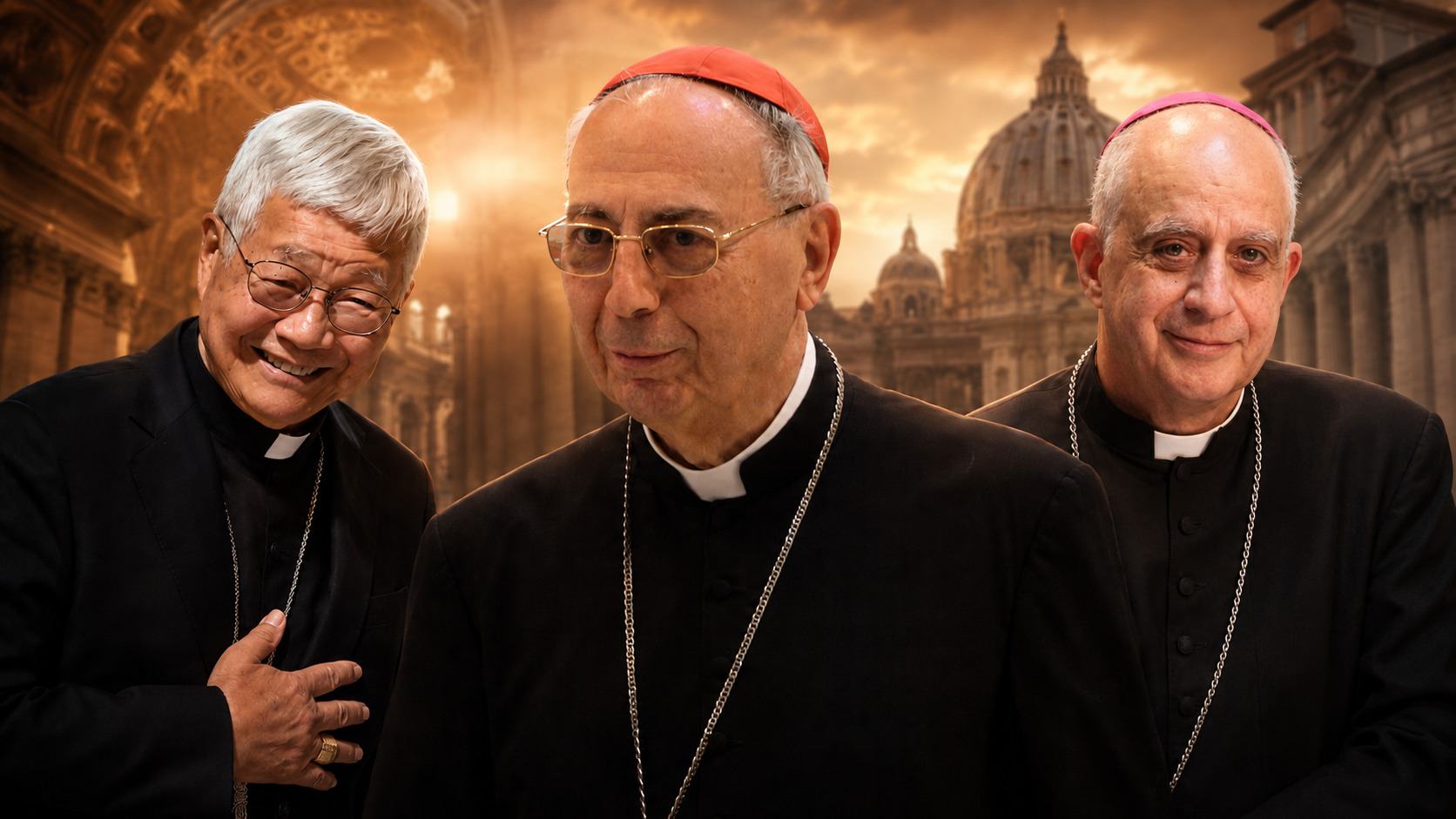
Further deadlines are approaching. Archbishop Rino Fisichella, Pro-Prefect of the Dicastery for Evangelisation, will turn 75 on 25 August, in just a few days. He will be the first of those listed here who is not a cardinal. Cardinal Lazzaro You Heung-sik, Prefect of the Dicastery for the Clergy, will turn 75 on 17 November. Cardinal Dominique Mamberti, Prefect of the Supreme Tribunal of the Apostolic Signatura, will reach the same age on 7 March 2027.