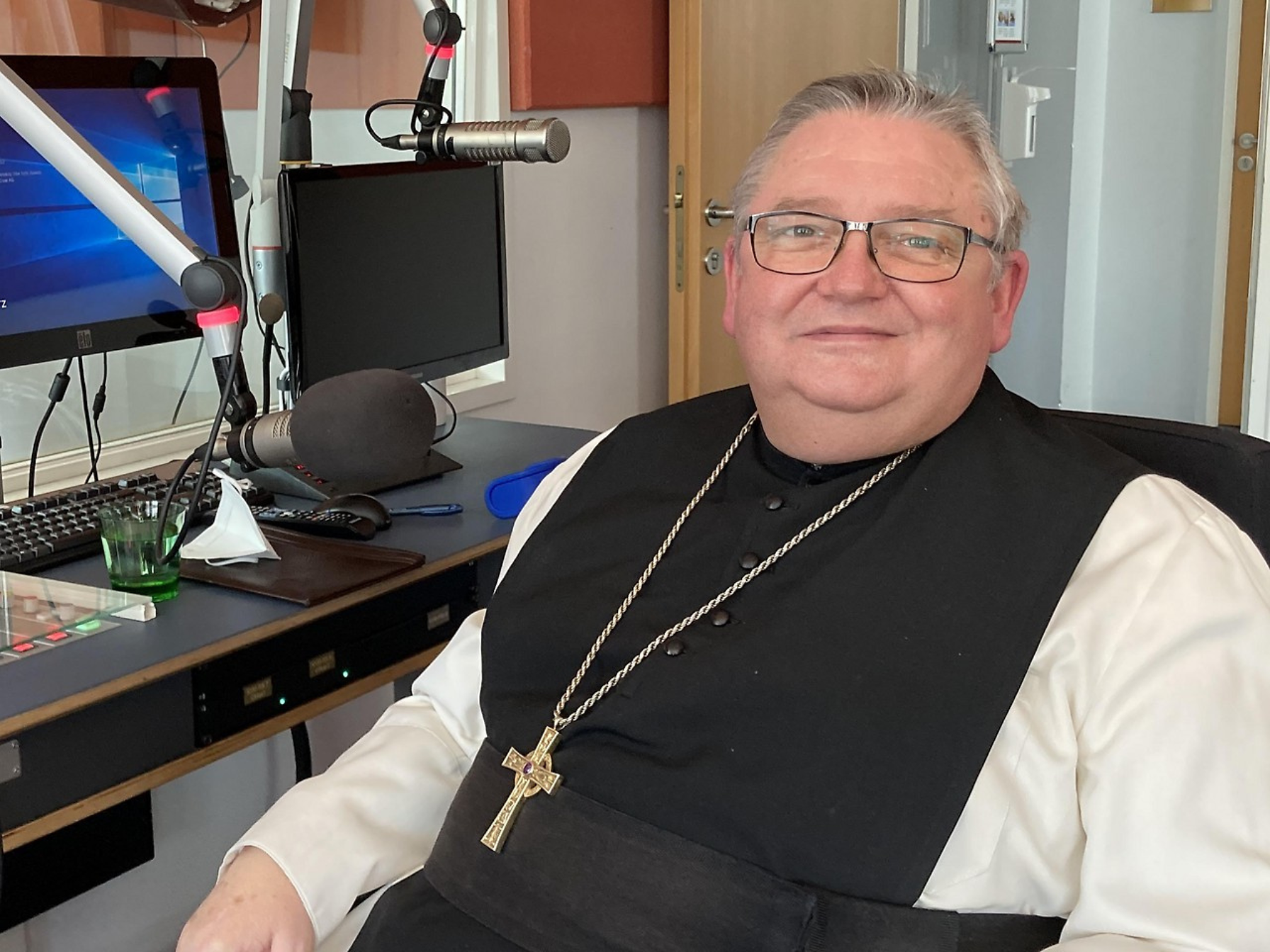
Zwettl - Abbot Johannes Maria Szypulski OCist, who has led the Cistercian Abbey of Zwettl since 2017, will step down as head of the monastery on 26 October 2026. The decision follows his seventieth birthday on 25 June and the subsequent submission of his resignation to the Abbot President of the Austrian Cistercian Congregation, as required by the Constitutions.
The decisive procedural step, communicated to the General House in Rome, was the vote of the ten monks entitled to take part, who were asked to express their view on whether the abbatial office should continue. The outcome, reached by an absolute majority, led the Abbot President to accept Szypulski’s resignation and to set 26 October 2026 as the date on which it will take effect.
After that date, the procedure for electing the monastery’s new superior will begin. The Zwettl community has more than ten members, but voting rights in such matters are governed by the Congregation’s own rules and do not necessarily correspond to the total number of members of the abbey.
A nine-year term
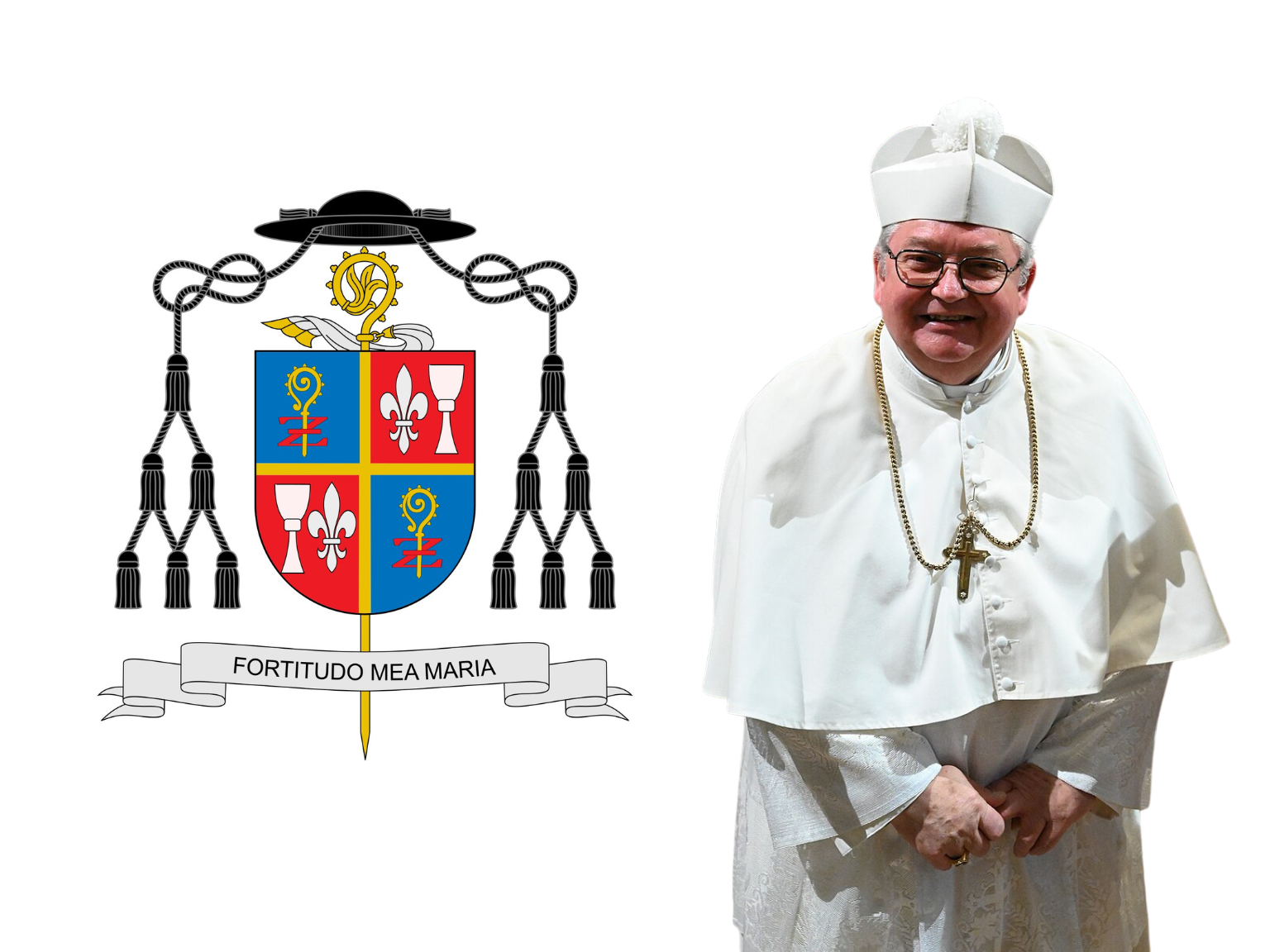
Johannes Maria Szypulski was elected Abbot of Zwettl on 29 May 2017, succeeding Wolfgang Wiedermann. He received the abbatial blessing on 27 August of the same year from the Bishop of St Pölten, Klaus Küng. He chose as his motto “Fortitudo mea Maria”, “Mary is my strength”.
Born on 25 June 1956 in Mława, Poland, Szypulski studied at the seminary in Płock. In 1982 he entered the novitiate of the Cistercians at Zwettl Abbey and in June 1985 was ordained to the priesthood by the Bishop of St Pölten, Franz Žak.
Within the community he held a number of offices. He served as prefect of the abbey’s young choristers and as novice master. From 1992 he carried out pastoral ministry in the parishes of Großinzersdorf and Loidesthal, in the Archdiocese of Vienna. In 2016 he became prior of Zwettl Abbey, a role that preceded his election as abbot by one year. His leadership lasted nine years.
An ancient abbey
Zwettl Abbey is one of the oldest and most important monastic houses in the Cistercian world. Its Latin name is Abbatia Beatae Mariae Virginis de Clara Valle in Austria. It is located in the Waldviertel, in Lower Austria, not far from the town of Zwettl, in a bend of the River Kamp.
Founded in 1138 by Hadmar I of Kuenring as the first daughter house of Heiligenkreuz Abbey, it belonged to the line of the primary abbey of Morimond. Since its foundation it has never ceased to exist, making it one of the oldest Cistercian monasteries in the world to have remained continuously active.
In 1139, King Conrad III confirmed the possessions donated by the founder and granted the monastery protection and freedom from lay advocacy. The abbey church was consecrated in 1159. In the centuries that followed, Zwettl became a religious, cultural and economic centre of major importance for the region.
The abbey’s scriptorium was especially significant, contributing to the growth of its library holdings. Among its most important manuscripts is the so-called Zwettler Stiftungsbuch, known as the Bärenhaut, dating from 1311, one of the most significant witnesses to the monastery’s medieval history.
Artistically, Zwettl preserves Romanesque, Gothic and Baroque elements of great value. The late Romanesque and early Gothic cloister, the Romanesque chapter house with its single-column design, the early Gothic lavabo, the Gothic abbey church and the Baroque library together form an ensemble of considerable historical and cultural importance. In the eighteenth century, the abbey was extensively remodelled in the Baroque style: the great western façade with its tower, 82 metres high and one of the tallest in Lower Austria, also dates from that period.
The abbey library holds hundreds of medieval codices, incunabula and tens of thousands of volumes. The Baroque hall, associated with Joseph Munggenast and Paul Troger, remains one of the most important spaces in the monastic complex.
Zwettl also endured dramatic moments in the course of its history. In 1427 it was largely destroyed by the Hussites during the Battle of Zwettl. In the following centuries, however, it recovered, consolidating its religious and territorial presence. In the modern period it suffered substantial losses of property, particularly after Austria’s annexation by the German Reich in 1938, when the construction of the nearby military training area led to the forced loss of more than 700 hectares of woodland and farmland.
Today the abbey’s economic sustainability rests on agriculture, forestry, fish farming and wine production, particularly through the Schloss Gobelsburg estate. At the same time, it remains a living monastic community and an important religious and cultural presence in Lower Austria.
With the resignation of Johannes Maria Szypulski, a chapter that began in 2017 now draws to a close. The date of 26 October will formally mark the end of his term as abbot. From that moment, the community will be called to elect its new superior, opening a new stage in the long Cistercian history of Zwettl.