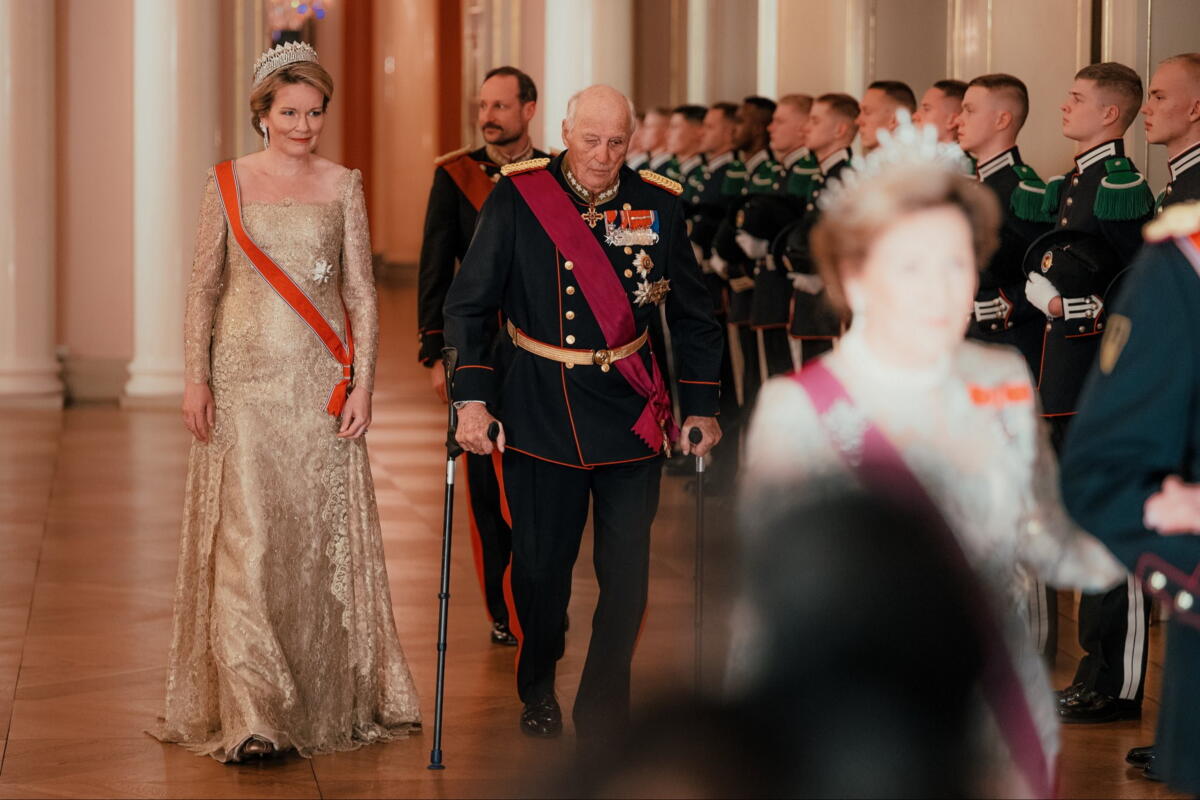
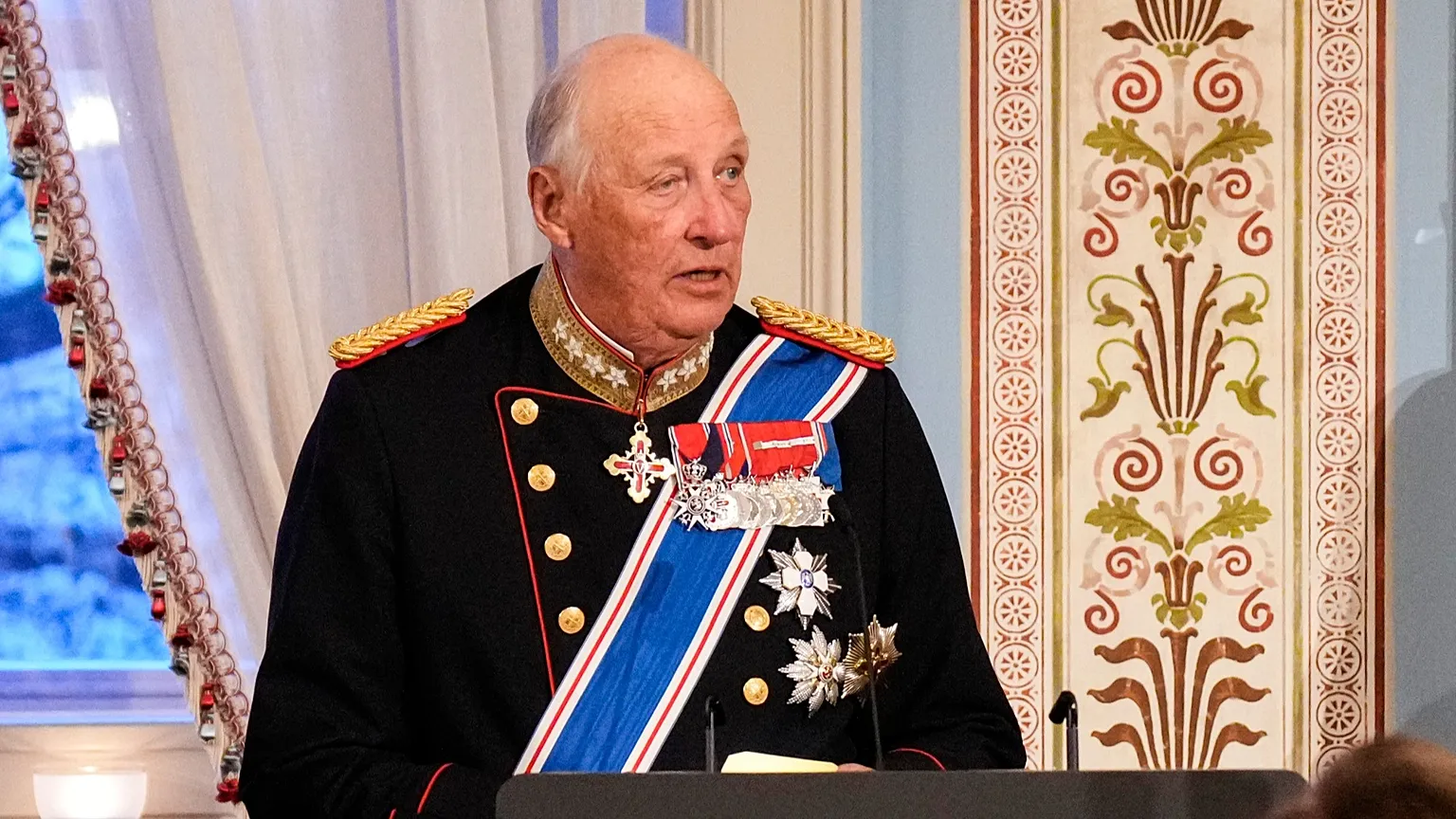
King Harald V of Norway has died at the age of 89. He came to the throne on 17 January 1991 after the death of his father, Olav V, and remained Norway’s monarch for more than thirty-five years. His son, Crown Prince Haakon Magnus, succeeds him.
Harald was born on 21 February 1937 at Skaugum, the royal residence in Akershus. He was the only son of the future King Olav V and Princess Märtha of Sweden. His birth would eventually bring a Norwegian-born sovereign back to the throne after several centuries: before Harald, the last monarch born in Norway had been Olav IV in the fourteenth century.
The German occupation cast a long shadow over his early childhood. In April 1940, when Harald was three, the royal family was forced to leave Oslo. He travelled with his mother and his sisters, Ragnhild and Astrid, first to Sweden and later to the United States, while King Haakon VII and Crown Prince Olav remained in London with Norway’s government in exile. Harald spent most of the war in Washington and, in 1945, was present when Franklin Delano Roosevelt was sworn in for a fourth term as US president. He returned to Norway with his family after the war ended.
His post-war education combined civilian studies with military training. Harald attended a state school, completed his schooling in Oslo, studied at the university in the capital and trained at the Norwegian Military Academy. In 1960 he went to Balliol College, Oxford, where he studied history, economics and politics. When his grandfather Haakon VII died in 1957 and his father became king, Harald became Crown Prince.
His relationship with Sonja Haraldsen became one of the most closely watched chapters of his private life. They met in the late 1950s and kept their relationship out of public view for years because Sonja was not of aristocratic background. Harald made clear that he was prepared to give up his place in the line of succession if he was not allowed to marry her. After consulting the government, King Olav V eventually gave his approval. Harald and Sonja married at Oslo Cathedral on 29 August 1968. Their daughter, Märtha Louise, was born in 1971, followed by their son, Haakon Magnus, in 1973.
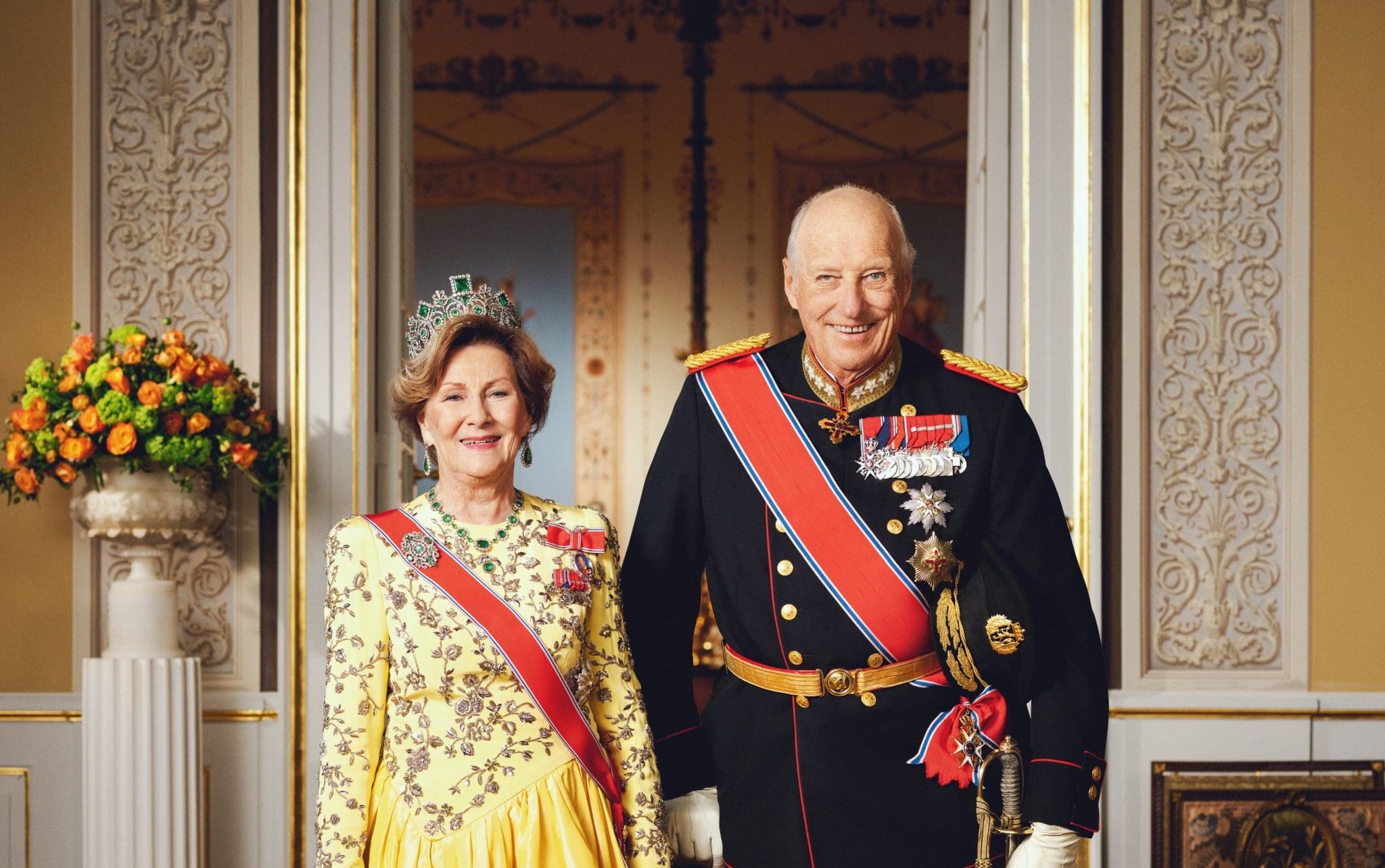
Harald became king on 17 January 1991. Four days later he took the oath before Parliament, and on 23 June he and Queen Sonja received a solemn blessing at Trondheim Cathedral. Norway had done away with coronations in 1908. Throughout his reign, Harald carried out the responsibilities of a constitutional monarch: chairing meetings of the Council of State, holding regular audiences with the prime minister and foreign minister, receiving ambassadors and representing Norway on state visits abroad.
Sailing remained one of the constants of his life. Harald competed internationally and represented Norway at three Olympic Games: Tokyo in 1964, Mexico City in 1968 and Munich in 1972. He also carried the Norwegian flag at the opening ceremony in Tokyo. He continued racing after becoming king, competing in world and European championships and remaining active in international sailing well into later life.
His health increasingly curtailed his public schedule in his final years. Between 2003 and 2005 he underwent treatment for bladder cancer and aortic stenosis, and further periods away from official duties followed in 2020. On each occasion, Crown Prince Haakon stepped in as regent. Harald was admitted to hospital again in August 2026, with Haakon once more taking over his father’s constitutional responsibilities.
Harald V is survived by Queen Sonja, his children Märtha Louise and Haakon, and his grandchildren. His death closes a reign that began in January 1991, during which the Norwegian monarchy remained largely ceremonial while continuing to occupy a firmly established place in the country’s institutional life. The Crown now passes to Haakon Magnus, born in 1973, who spent decades accompanying his father on official engagements and deputising for him during periods of ill health.