
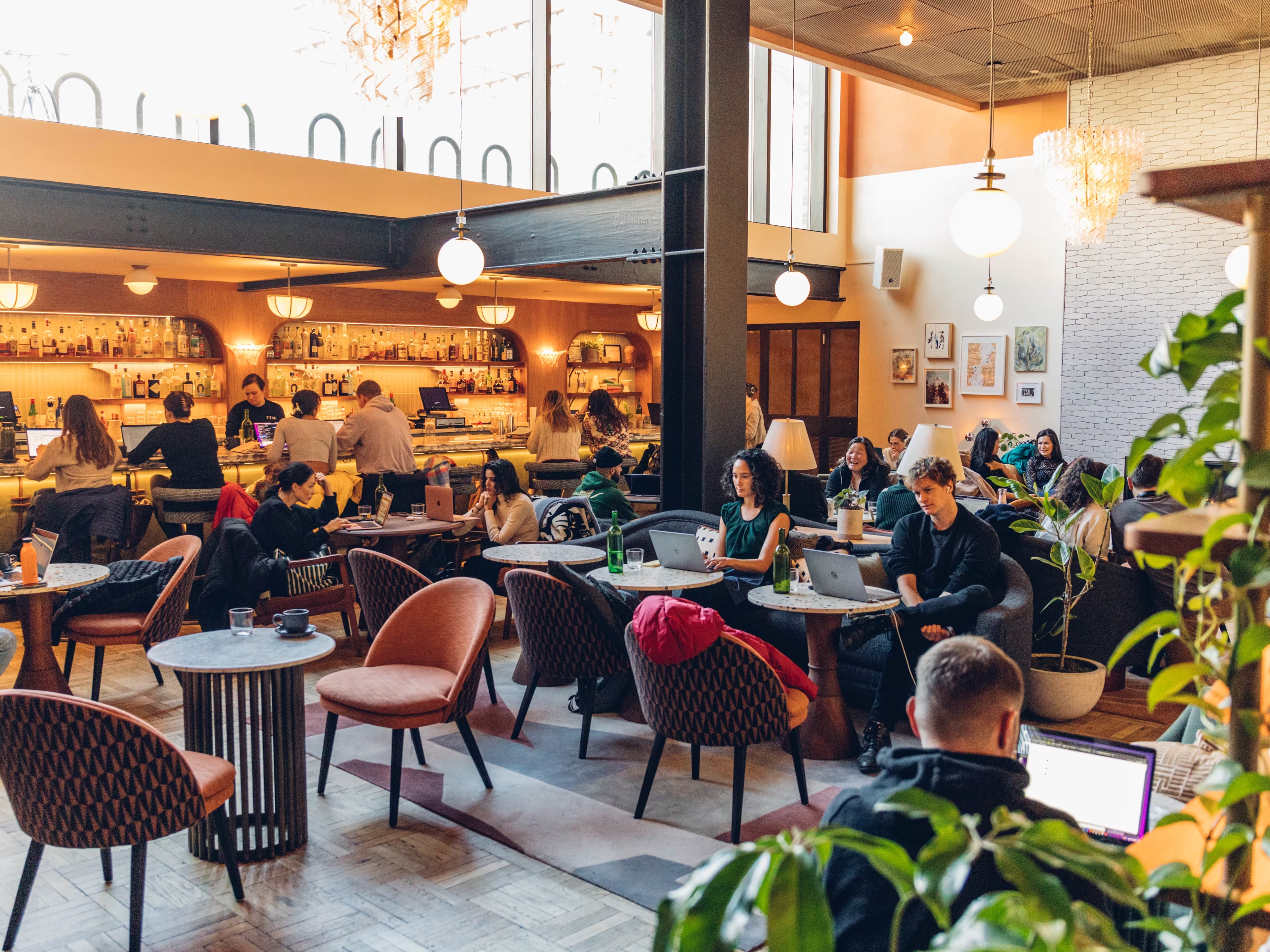
51% of American Gen Z say they feel lonely on an average weekend: the highest figure of any generation surveyed, 37 percentage points above baby boomers. Some 74% spend at least half of their weekends each month at home; 49% say they do not have enough friends to spend time with in person; 65% feel more connected through their phone screens than face to face. The figures come from a Harris Poll and Allison Worldwide survey published in late July 2026. Together, they paint a picture of the most connected generation in history, and at the same time the loneliest.
The American property market has noticed the contradiction. In 2026, Gen Z accounts for 23% of US renters - 10.4 million households, an increase of 6.7 million between 2019 and 2024 - and, according to projections by Apartments.com, it will become the largest group of renters in the country by 2030. In a survey conducted by the same platform in the second quarter of 2026, 44% of young renters placed communal spaces among their top three criteria when choosing a flat, compared with 37% across renters as a whole.
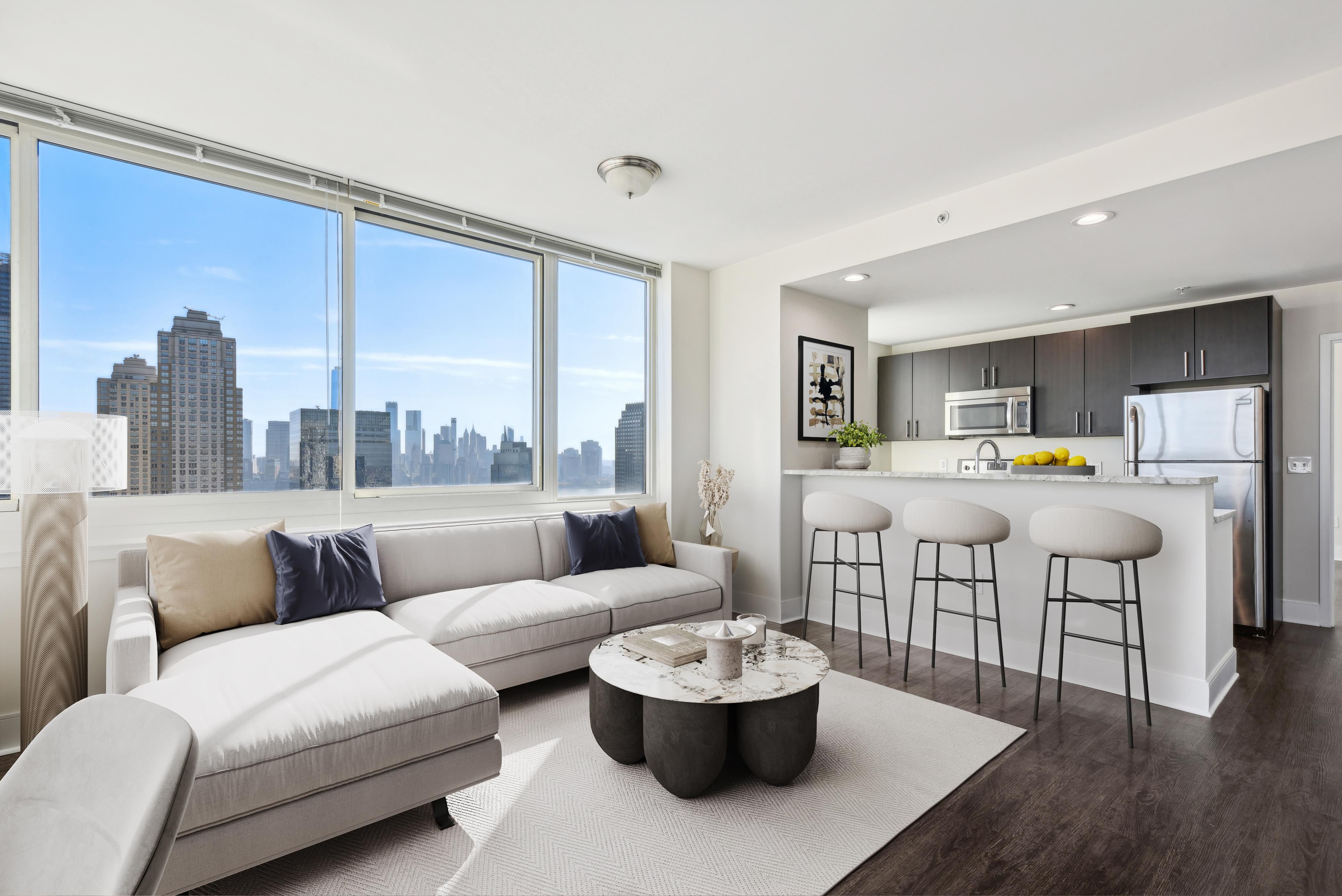
In Phoenix, in the Paradise Valley neighbourhood, the sports and fitness club chain Life Time is completing a 327-unit apartment building connected by a pedestrian bridge to its fitness centre, which includes a swimming pool, pickleball courts, a golf simulator, a bicycle wash station and a dog area. Every tenancy includes membership of the club. In Raleigh, North Carolina, the same brand has built its residential tower above The Exchange, a development described by Dewitt Carolinas as bringing together health, community and neighbourhood life.
The industry has worked out what younger renters are actually looking for. In its 2024 survey of renter preferences, the National Multifamily Housing Council summed up their priorities in three words: comfort, convenience, connection.Alex Abernathy, head of marketing at Asset Living - the country’s largest manager of student housing - describes Gen Z as being drawn to spaces designed to make life both easier and more social. In-unit laundry and smart access are now taken for granted, while what sets one apartment building apart from another are coworking lounges, on-site cafés and organised community events. Gen Z on the Lease, a report produced by Entrata with Qualtrics and based on 2,000 renters, found that 72% of young people see renting as a more financially sensible choice than buying a home.
Social psychology offers one way of understanding this. Jamil Zaki, who directs Stanford’s Social Neuroscience Laboratory, has spent years studying the happiness curve across the course of a lifetime. Until recently it was U-shaped, with young adults among the happiest age groups. In a 2025 interview published by the university, Zaki said that the curve had flattened into an upward-sloping line: older people remain happy, middle-aged people still sit somewhere in between, while young adults are now less satisfied than both groups. Another strand of his research, published in October 2025 in Nature Human Behaviour with his colleague Rui Pei, examined what the two researchers call the empathy perception gap among more than 5,000 Stanford students. Young people consistently underestimate how willing their peers are to make friends, and as a result avoid making the first move.
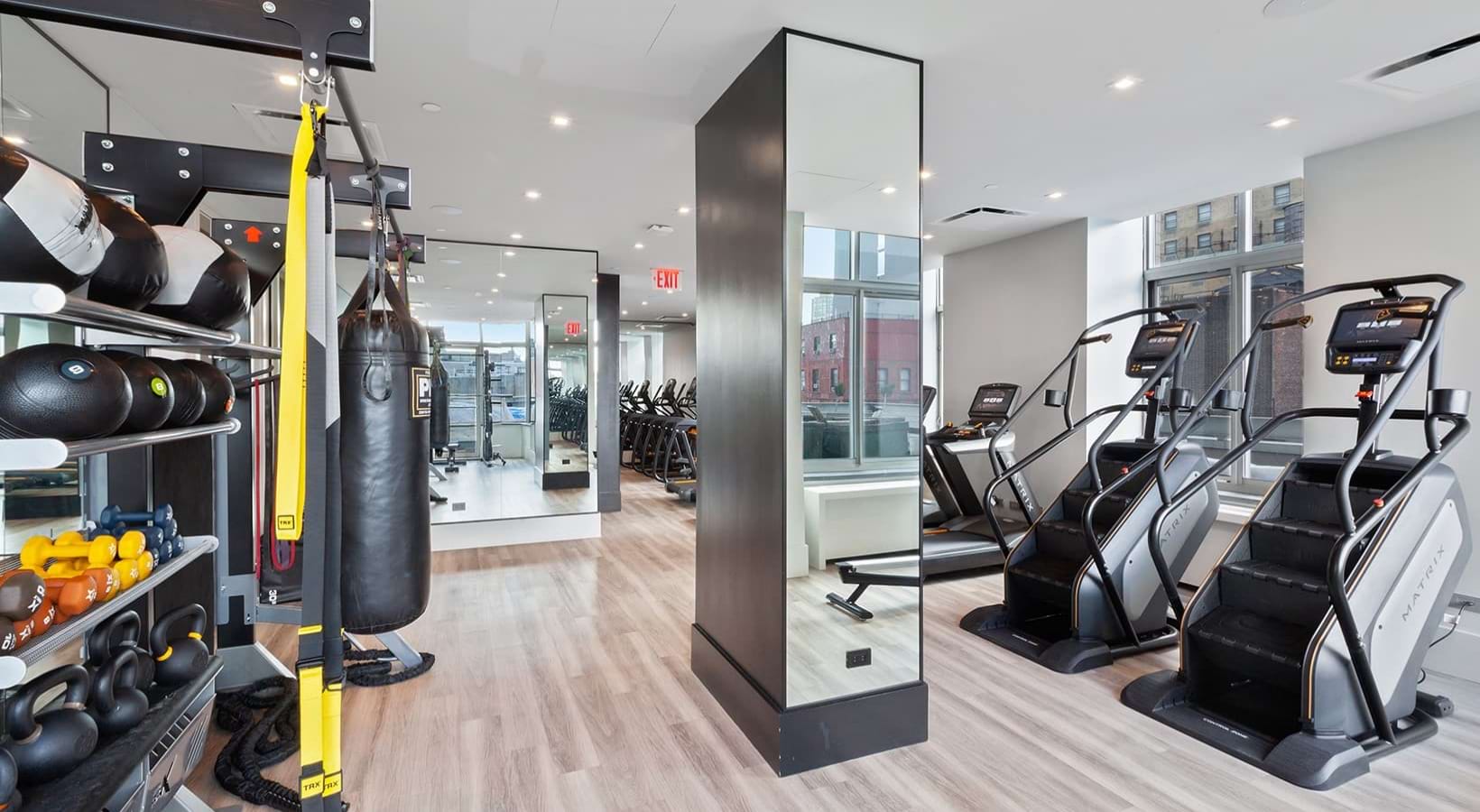
That is also one reason why many young people now look for comfort and places to meet others within the same building: the gym, coworking space, café or lounge makes socialising possible with almost no planning. You simply go down a floor, take the lift or walk through a door. Put very simply, these spaces lower the barrier to making the first move Zaki is talking about. There is still, however, a question the property market cannot solve on its own: putting people in the same space creates more opportunities for them to meet, but it does not guarantee that proximity will turn into relationships. People can live in the same building, work out every evening in the same gym and still remain complete strangers.