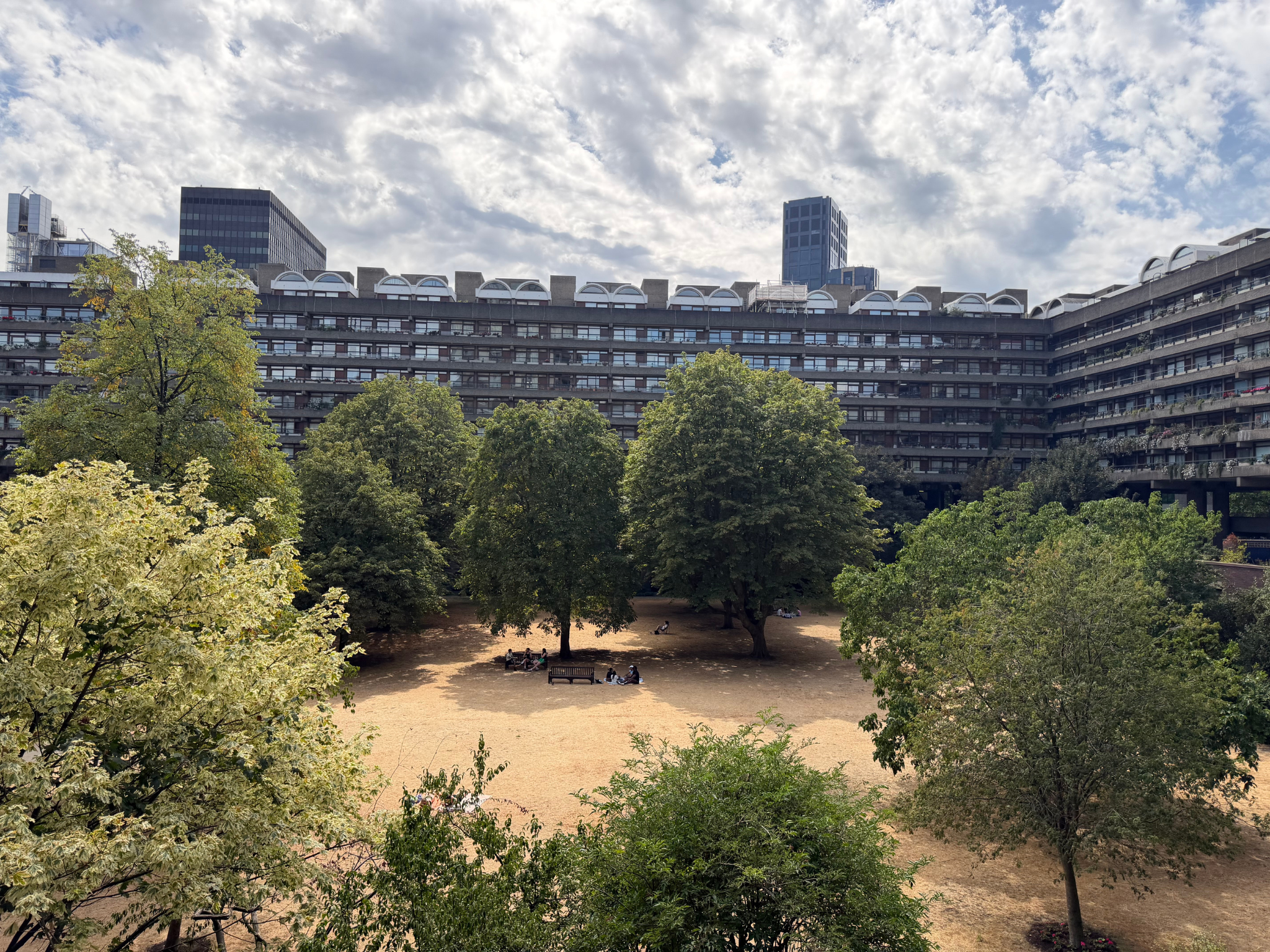
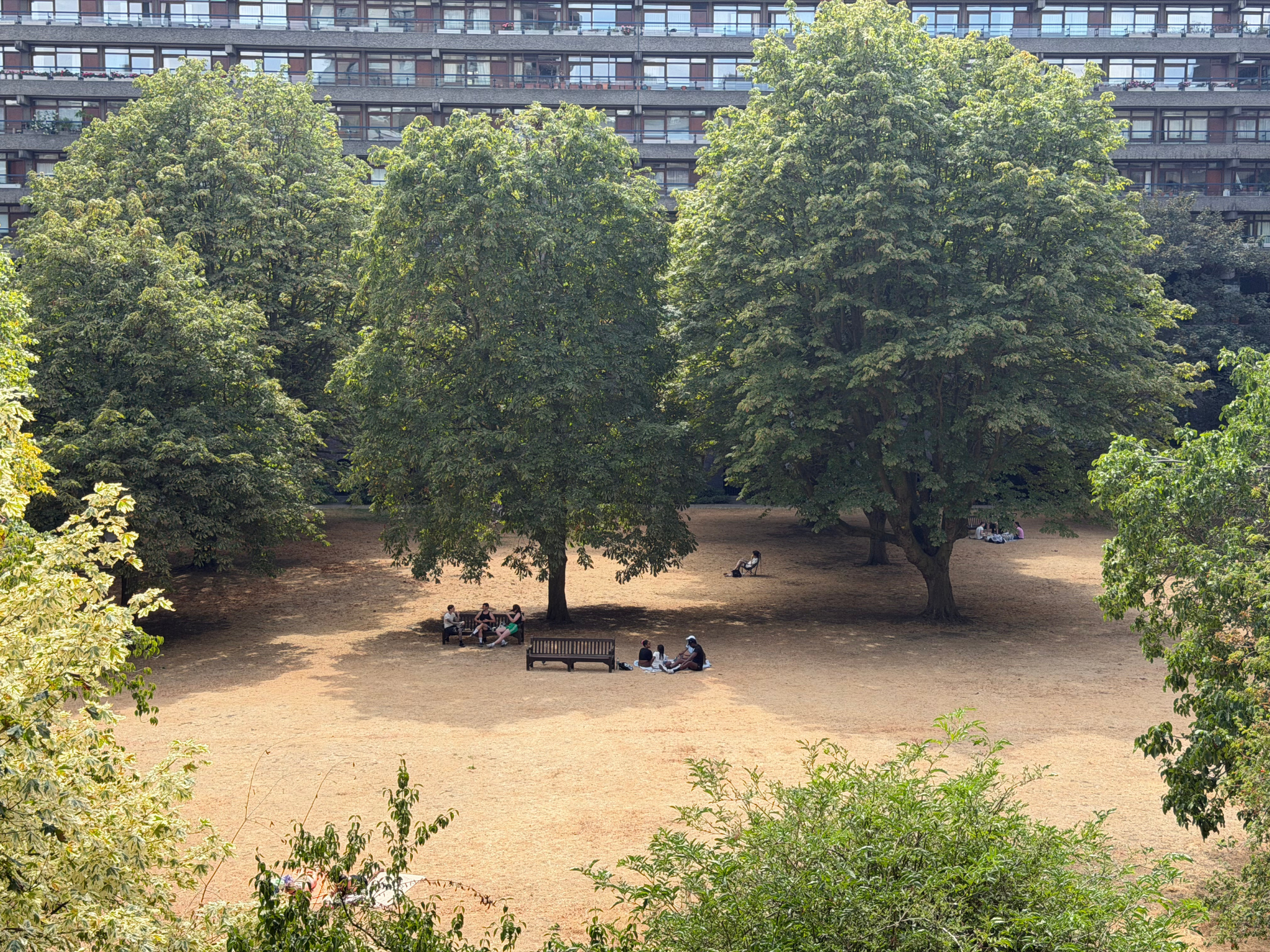
The Met Office confirmed on 3 August the final figures for a July unlike any other in the UK’s weather records, which date back to 1836. England received just 6.5 millimetres of rain, 10% of the long-term average, while Wales recorded 9.3 millimetres. In southern England, rainfall fell to just 1.9 millimetres, 3% of what would normally be expected and the lowest figure recorded in almost two centuries of observations. It was the driest July on record for both England and Wales. At the same time, the UK experienced its second-hottest July on record, while Wales had its joint-hottest. England and Wales also recorded their sunniest calendar month ever.
The combination of very low rainfall, high temperatures and prolonged sunshine has led to what experts describe as a “flash drought”: a water shortage that can develop within a matter of weeks, rather than over entire seasons as is usually the case.
Areas officially in drought
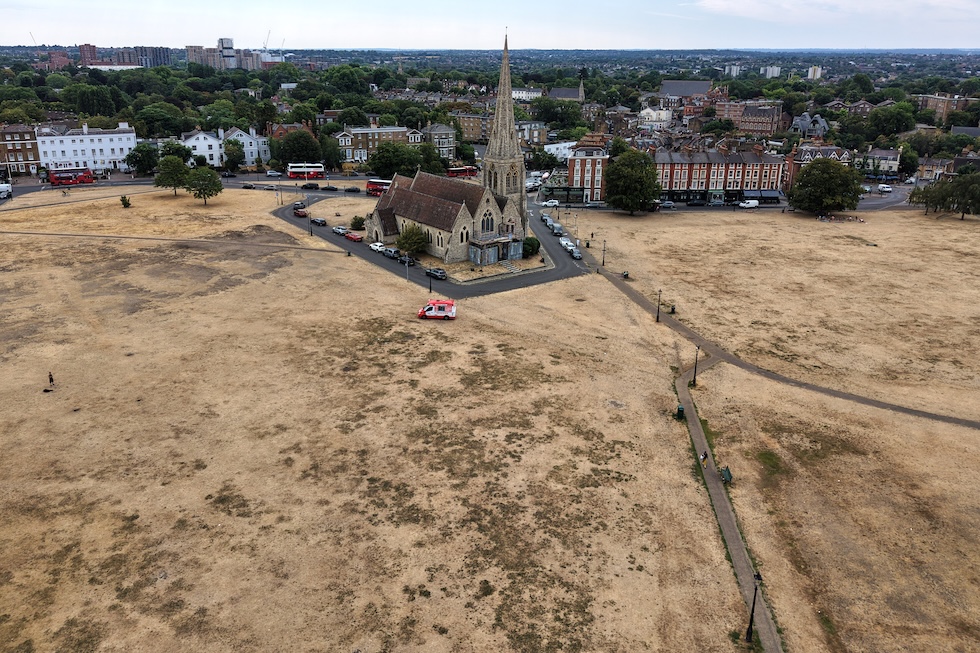
On 29 July, the Environment Agency declared drought status across seven of England’s fourteen administrative areas: East Anglia, Hertfordshire and London, the Thames Valley, Hampshire and the Isle of Wight, Devon and Cornwall, the West Midlands, and Wessex, which covers Dorset, Somerset, Wiltshire and southern Gloucestershire. Together, these areas account for 51.4% of England’s land area. Counties including Kent, Sussex, Cumbria and the East Midlands remain in “prolonged dry weather”, the stage immediately before a formal drought declaration. Only Yorkshire and the North East are currently classed as having normal conditions.
Helen Wakeham, Director of Water at the Environment Agency and chair of the National Drought Group, summed up the situation by saying that the country is using water faster than nature can replenish it. This is the third drought to be declared in England in the past five years, following those of 2022 and 2025.
Water restrictions
As of 8 August, hosepipe bans are in force in areas served by nine water companies: Southern Water, South East Water, Thames Water, Anglian Water, Cambridge Water, Affinity Water, South West Water, Essex and Suffolk Water, and Wales’s Dŵr Cymru. The restrictions prohibit the use of hosepipes for activities including watering lawns, washing cars and filling swimming pools. Altogether, they affect around 26 million people — effectively half of England and the whole of Wales. The largest affected area is served by Thames Water, which has imposed a ban on around 10.1 million customers across London and the Thames Valley since 23 July. Anyone who breaches the restrictions risks a fine of up to £1,000.
Farming and livestock
National Farmers’ Union president Tom Bradshaw has described wheat and oat yields as exceptionally poor, while livestock farmers have been forced to start using their winter fodder supplies early because of the lack of green pasture. In West Sussex, farmer James Baird showed the deep cracks that have opened up in one of his fields, explaining that some are so large that “you could lose your arm down them”. At Rookery Farm in Hampshire, a fire that broke out among wheat bales on 19 July forced a farmer and her stepfather to improvise a firebreak using a combine harvester before firefighters arrived — an incident which, they say, is becoming almost routine in these conditions. According to the London School of Hygiene and Tropical Medicine, repeated disruption to fruit and vegetable production could affect prices and make a healthy diet less affordable.
Wildfires and public health
The risk of wildfires has increased alongside the drought. A blaze in Suffolk spread across an area equivalent to more than 200 football pitches, forcing evacuations. The UK Health Security Agency has estimated that 2,877 deaths were linked to heat during two heatwaves between May and June, putting 2026 on course to become the year with the highest number of heat-related deaths since modern records began. The fourth heatwave of the summer is now under way.
Rivers and water reserves
By 30 July, national water reserves had fallen to 72%, around 9.5% below the long-term average for the time of year, with several reservoirs classed as exceptionally low. Some 78% of England’s rivers are below normal levels or worse, with one sixth in the most severe category. Parts of Devon had gone 50 consecutive days without rain, while parts of Hampshire had gone 49. The Met Office is not forecasting enough rainfall in the short term to substantially change the situation.