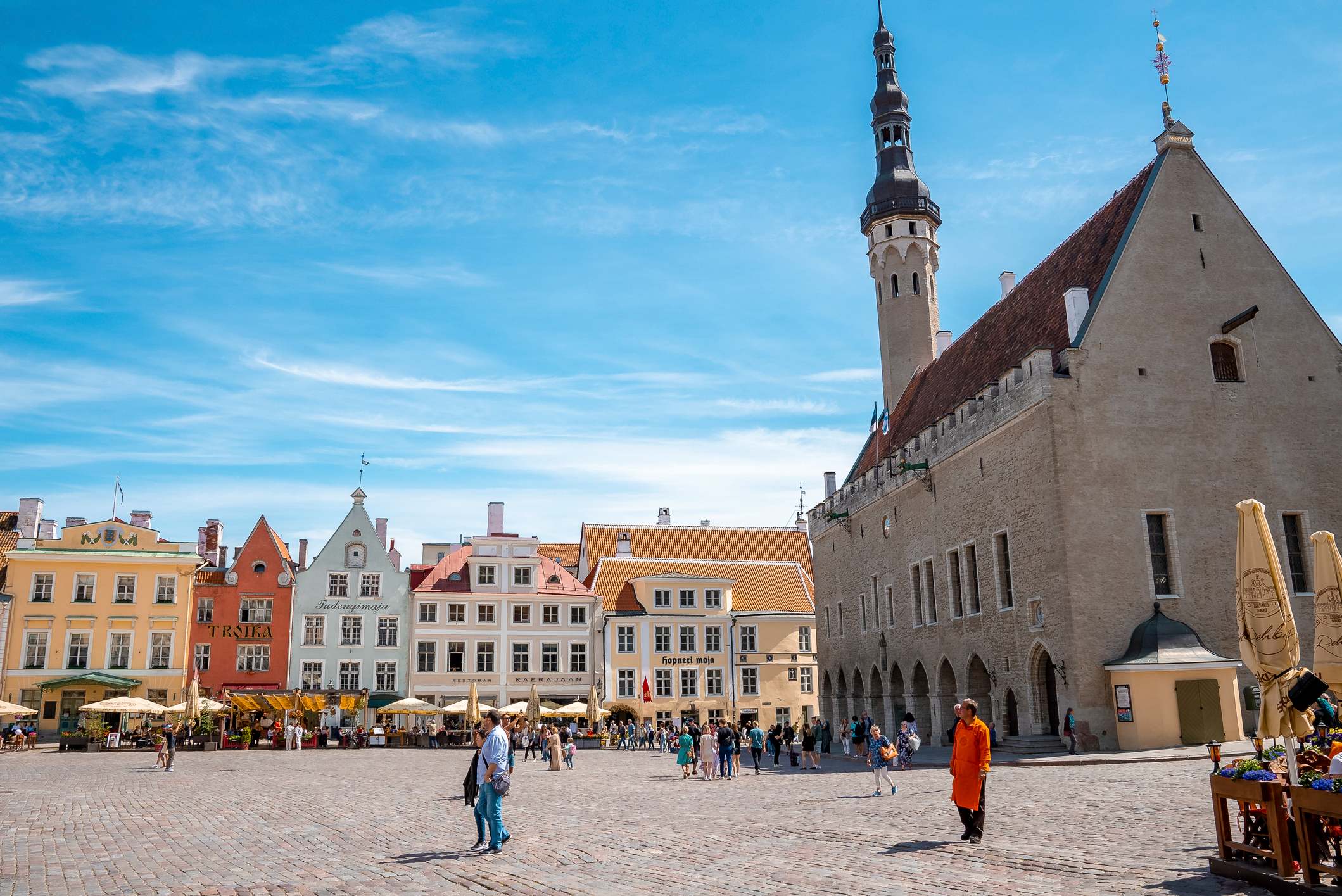
Tallinn - Thirty-five years ago, shortly after 11 pm on 20 August 1991, Estonia’s Supreme Council adopted the resolution restoring the country’s independence. That night in Tallinn brought half a century of Soviet occupation to an end and marked the beginning of the chapter of history we are still living today.
Estonia celebrates its independence twice. On 24 February, we commemorate the declaration of independence in 1918 and the birth of the first republic from the ruins of the Russian Empire. On 20 August, we mark the restoration of sovereignty after the Soviet annexation - and the affirmation that the original republic had continued to exist under international law even while occupation had prevented it from exercising that sovereignty in practice.
Those who lived through those years remember clearly the road that led to that night. It began with the Singing Revolution in 1988, when spontaneous mass singing became a form of resistance, and continued with the Baltic Way in August 1989, when two million people joined hands in a human chain stretching 600 kilometres from Tallinn to Vilnius to demand an end to the consequences of the Molotov–Ribbentrop Pact.
Then came the summer of 1991. Between 19 and 21 August, a group of senior Soviet officials attempted a coup in Moscow against Mikhail Gorbachev. Soviet paratroopers were also sent to Tallinn, where they sought to take control of the television tower. Unarmed volunteers gathered at Toompea and around the radio and television buildings, preventing the broadcasters from falling into the hands of the coup leaders. At the same time, on Toompea Hill, Estonia’s parliament was voting on the resolution restoring national independence.
International recognition followed quickly. On 22 August, Iceland became the first country to re-establish diplomatic relations with Tallinn, a gesture we have never forgotten: the square in front of Estonia’s Ministry of Foreign Affairs is still called Islandi väljak, Iceland Square. On 6 September, the Soviet Union itself, by then nearing its collapse, recognised the independence of the three Baltic states. Eleven days later, Estonia joined the United Nations.
From there, Estonia set its course towards the European Union and NATO, joining both in 2004 and completing a process that had begun in August 1991. Today, the anniversary carries particular weight in the light of the war in Ukraine. Estonians, whose collective memory still bears the experience of decades of occupation, understand very well what sovereignty means when a powerful neighbour decides to challenge it.
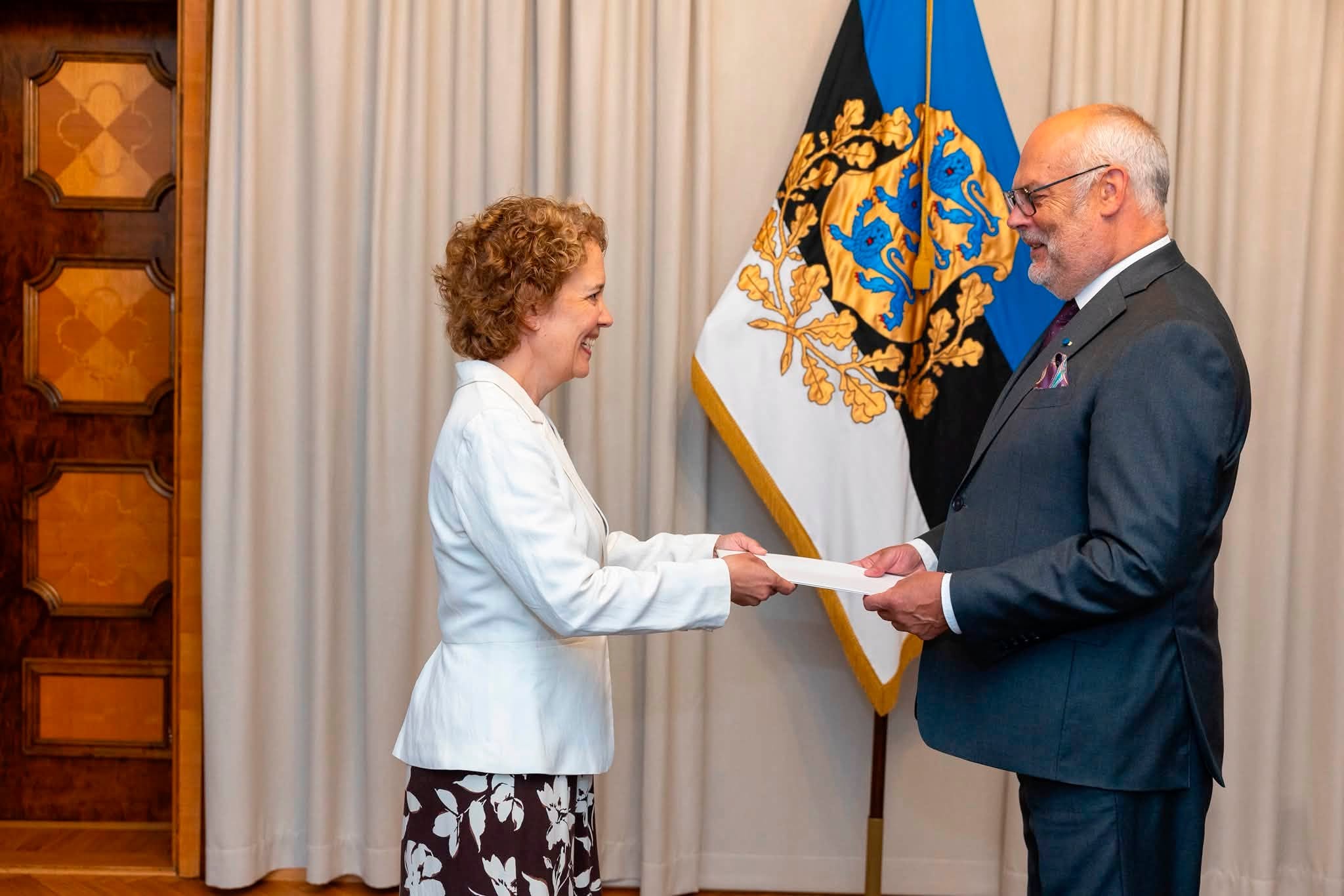
This year, 20 August also comes at a time of political transition. At the beginning of September, the Riigikogu will elect Alar Karis’s successor as President of the Republic, who will take office on 12 October. We therefore find ourselves looking both to our past and to the next chapter in the country’s institutional life.
In Tallinn, the celebrations will, as tradition dictates, centre on Harjumägi and the square named after 20 August, where a memorial to the restoration of independence has stood since 2011. Free concerts, a historical cycling route and a special opening of the Vabamu Museum of Occupations and Freedom will form part of a day that, for us, remains a renewed expression of loyalty to a sovereignty won twice within the space of a century.