
Addiction has many forms - the bottle, the screen, the body, a bond that consumes - and almost always a single inner grammar. An attempt to read it without pointing fingers. And then a few uncomfortable questions for those who have the responsibility to govern and, before that, to care.
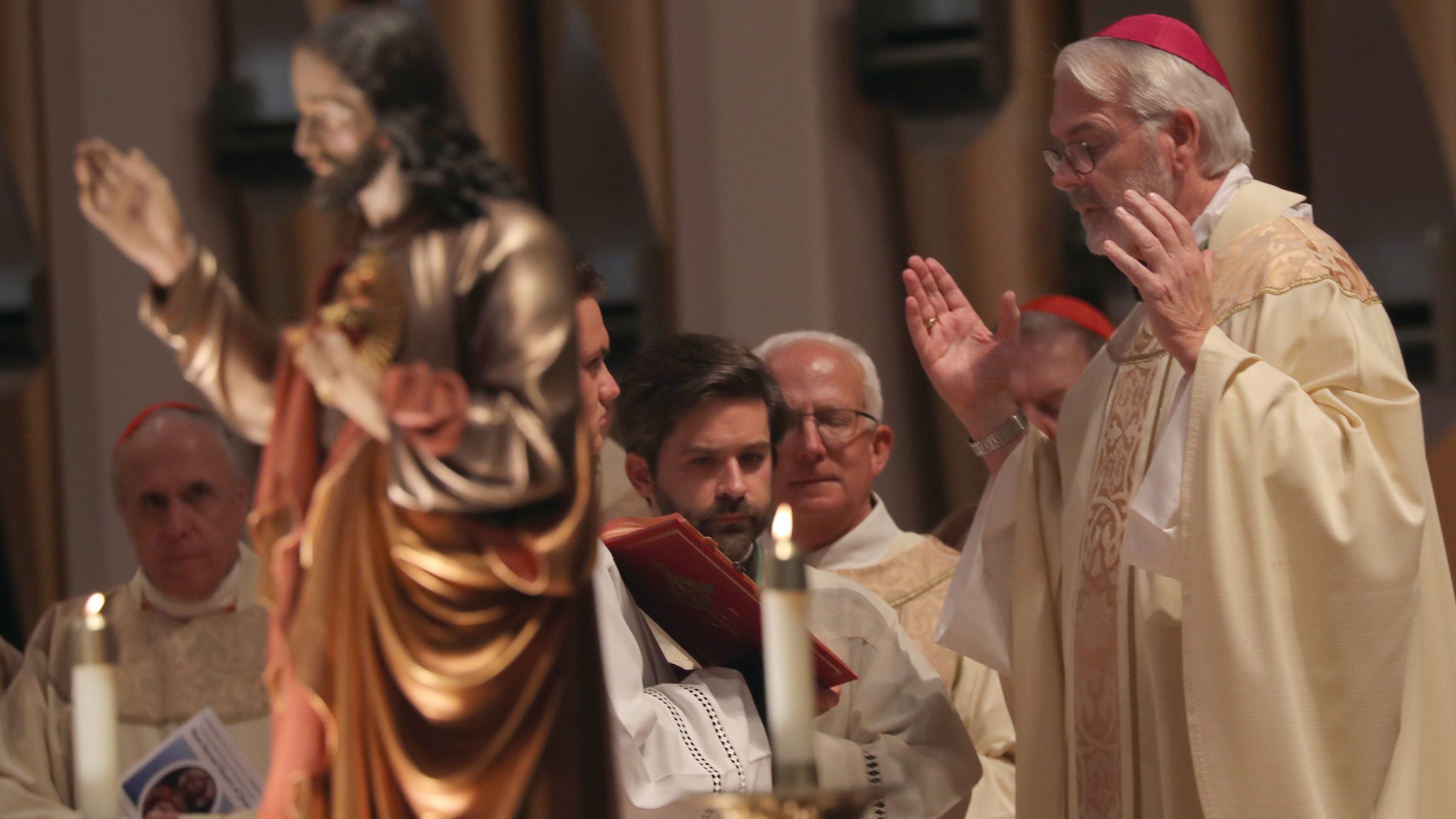
The priest, addiction and the right to ask for help
Addiction has many forms - the bottle, the screen, the body, a bond that consumes - and almost always a single inner grammar. An attempt to read it without pointing fingers. And then a few uncomfortable questions for those who have the responsibility to govern and, before that, to care.
SUPPORT SILERE NON POSSUM
If this article is online, it is also thanks to your support.
Silere non possum chooses to make most of its investigations and content freely accessible, because independent journalism must be able to reach everyone.
Supporting our work means allowing us to continue verifying, reporting and publishing what others would prefer to keep hidden.
Catholic Church
Heiner Wilmer: “The Church is synodal”. German Bishops’ Conference president has no intention of reining in lay “preachers”
Catholic Church
Heiligenkreuz: Heim steps down as Rome bars monks from electing new abbot

Catholic Church
Lafont and the Church beyond the ‘Gregorian model’: Petrine primacy need not govern everything