A day devoted to life “at every stage and in every condition” which, this year, turns its attention to the very beginning - the maternal womb - and to one of its quietest wounds: the death of a child.
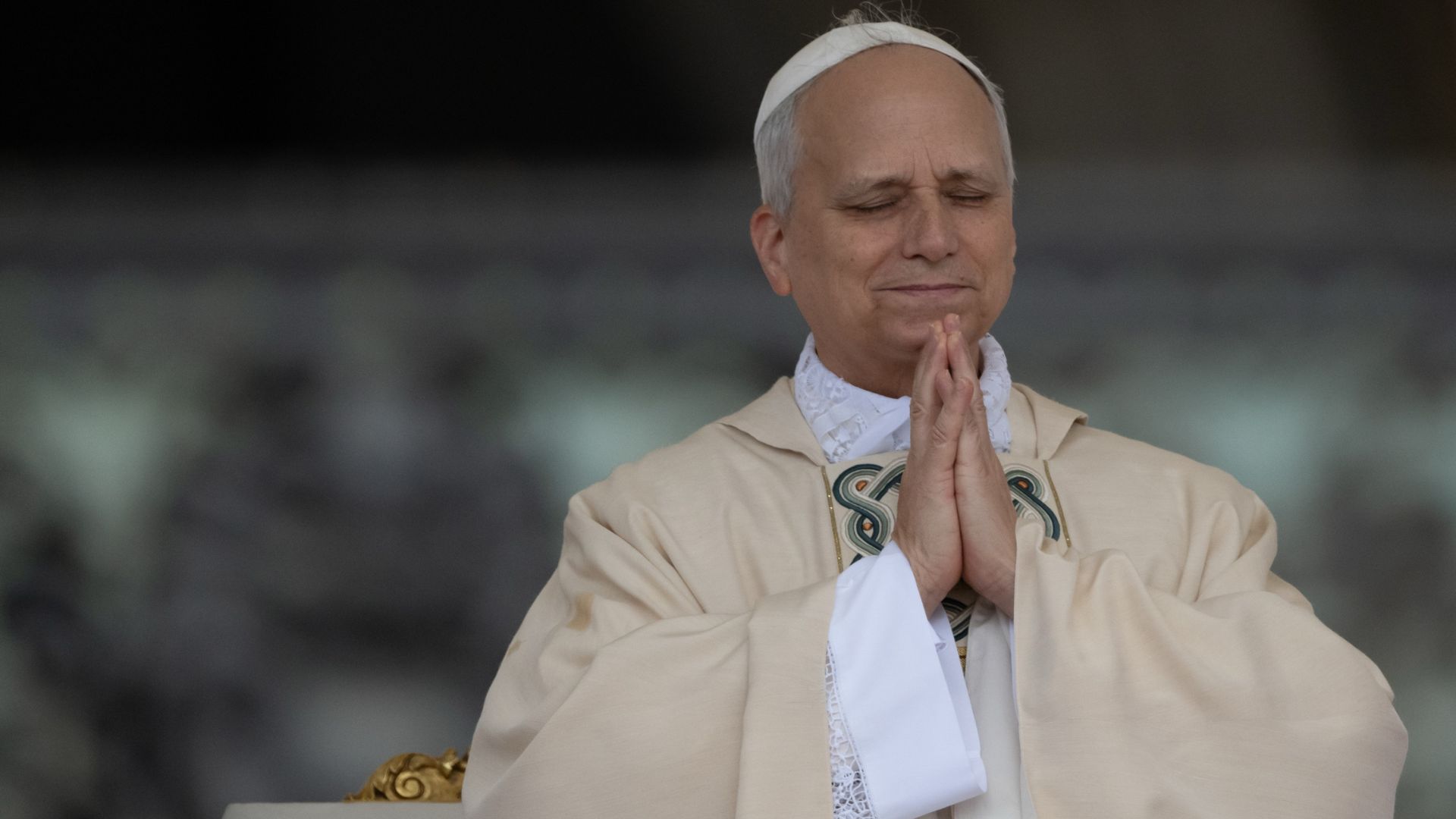
That is the focus of the message Pope Leo XIV has sent to the Catholic Church in England and Wales, Scotland and Ireland for Day for Life, to be observed on Sunday 21 June 2026 under the theme The Wonder of the Child in the Womb.
The message was conveyed by the Secretary of State, Cardinal Pietro Parolin, in a letter addressed to Archbishop John Sherrington of Liverpool, the lead bishop for life issues. The day is celebrated jointly by the three bishops’ conferences across these islands, a point worth noting at a time when ecclesial and political positions on end-of-life questions are far from uniform.
The doctrinal source: an encyclical on artificial intelligence
In setting out the conviction that every human being possesses infinite dignity from the moment of conception - “simply by virtue of existing, of having been willed, created and loved by God” - Leo XIV refers to his own encyclical Magnifica humanitas.
Signed on 15 May, Magnifica humanitas is the document in which Leo XIV addressed the relationship between artificial intelligence and human dignity. Many have read it as the Rerum novarum of the digital age.
The Pope, however, intends it to serve as a wider point of reference for the question of human dignity, rather than as an intervention confined to the technological debate. From the womb to the algorithm, his magisterium rests on one and the same foundation.
The pastoral dimension: perinatal bereavement
Alongside this statement of principle, the message devotes its most personal passage to parents who are grieving. The Pope prays that all those who have lost a child, “especially an infant”, may find comfort and peace in the knowledge of God’s love for them and for their child. He recalls the words of Luke: for God, “all of them are alive”.
He also expresses the hope that these parents will find the support they need within the Church community, particularly through a life “nourished by prayer and by the Sacraments”. The message closes by thanking them for their commitment to bearing witness to the gift of life and by imparting the Apostolic Blessing.
The Bishops’ Conference of England and Wales has itself chosen to place this aspect at the centre of the day. Archbishop Sherrington linked the theme to the conviction that “naming the truth” of the loss of a child is itself a form of compassion, bringing perinatal bereavement out of the silence to which it is too often confined.
The context: end-of-life legislation returns to Westminster
The message comes only days after the Terminally Ill Adults (End of Life) Bill was reintroduced in the House of Commons. The assisted-suicide measure was brought back in mid-June after stalling in the Lords this spring.
The bishops of England and Wales expressed their “deep disappointment”, describing the proposal as “flawed” and again calling for greater investment in palliative care.
Taken together, these two fronts form a coherent approach. This year’s Day for Life brings together the beginning and the end of human existence - the unborn child and the terminally ill patient - under the same heading of “infinite dignity”. A second collection will be taken in parishes on Sunday 21 June to support diocesan pro-life work.
F.P.
Silere non possum