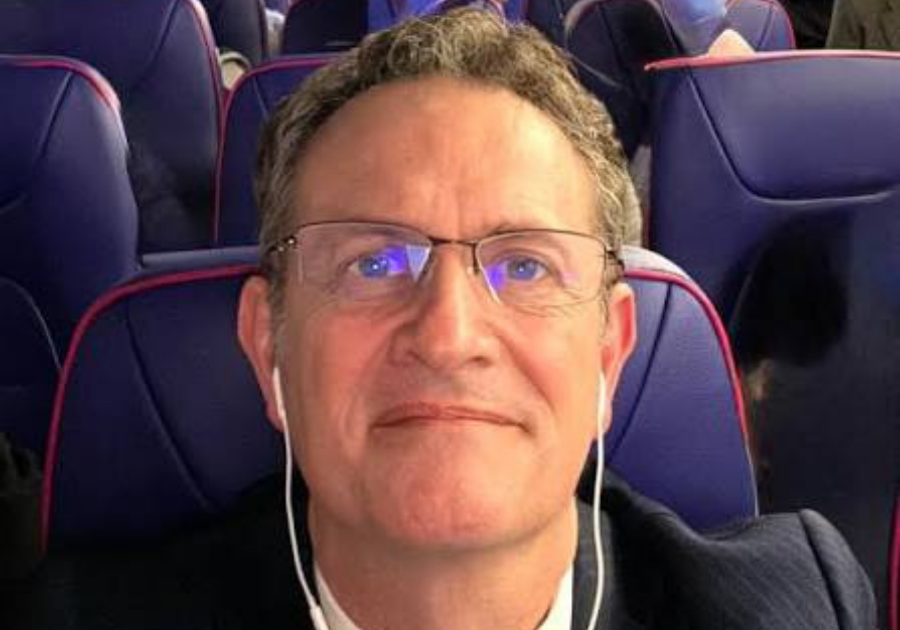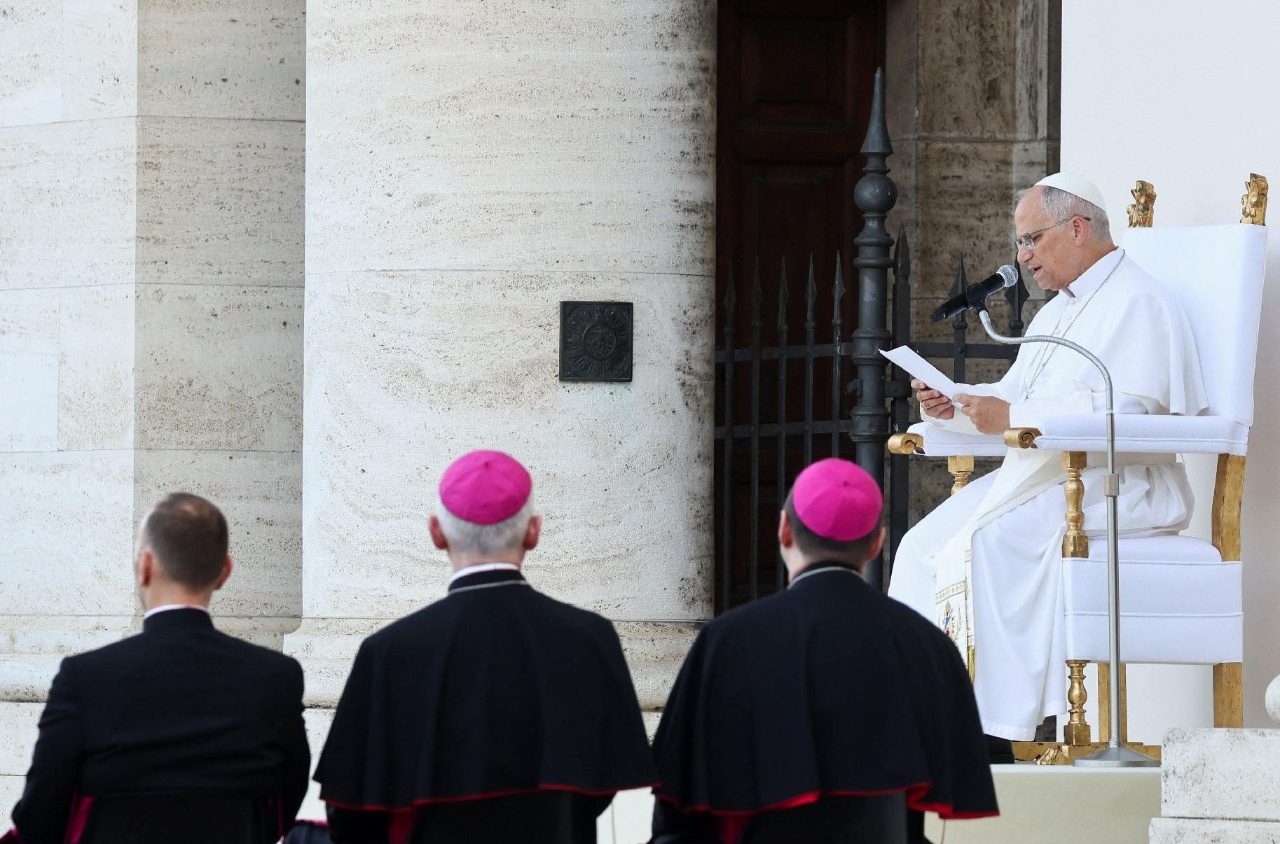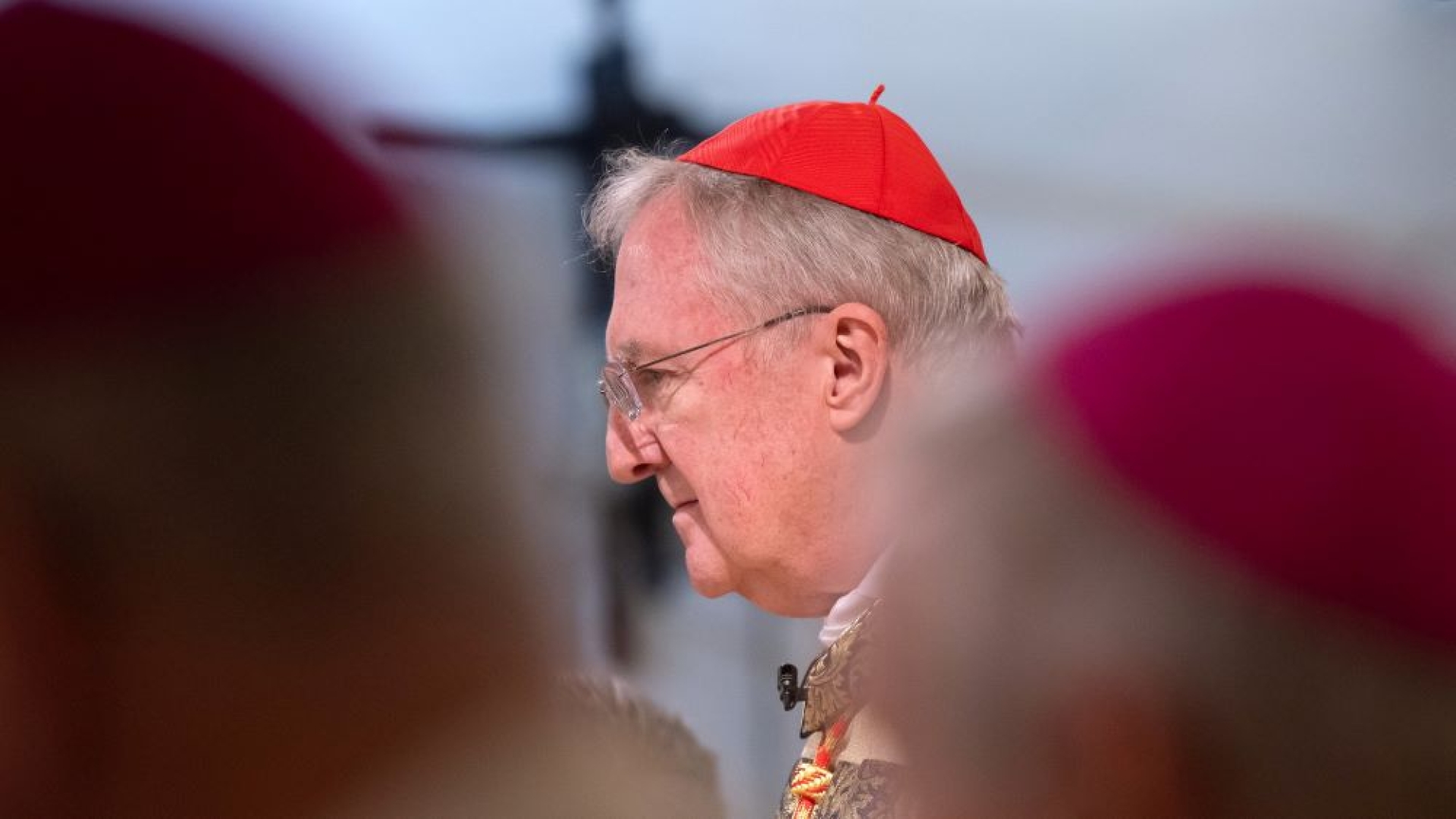
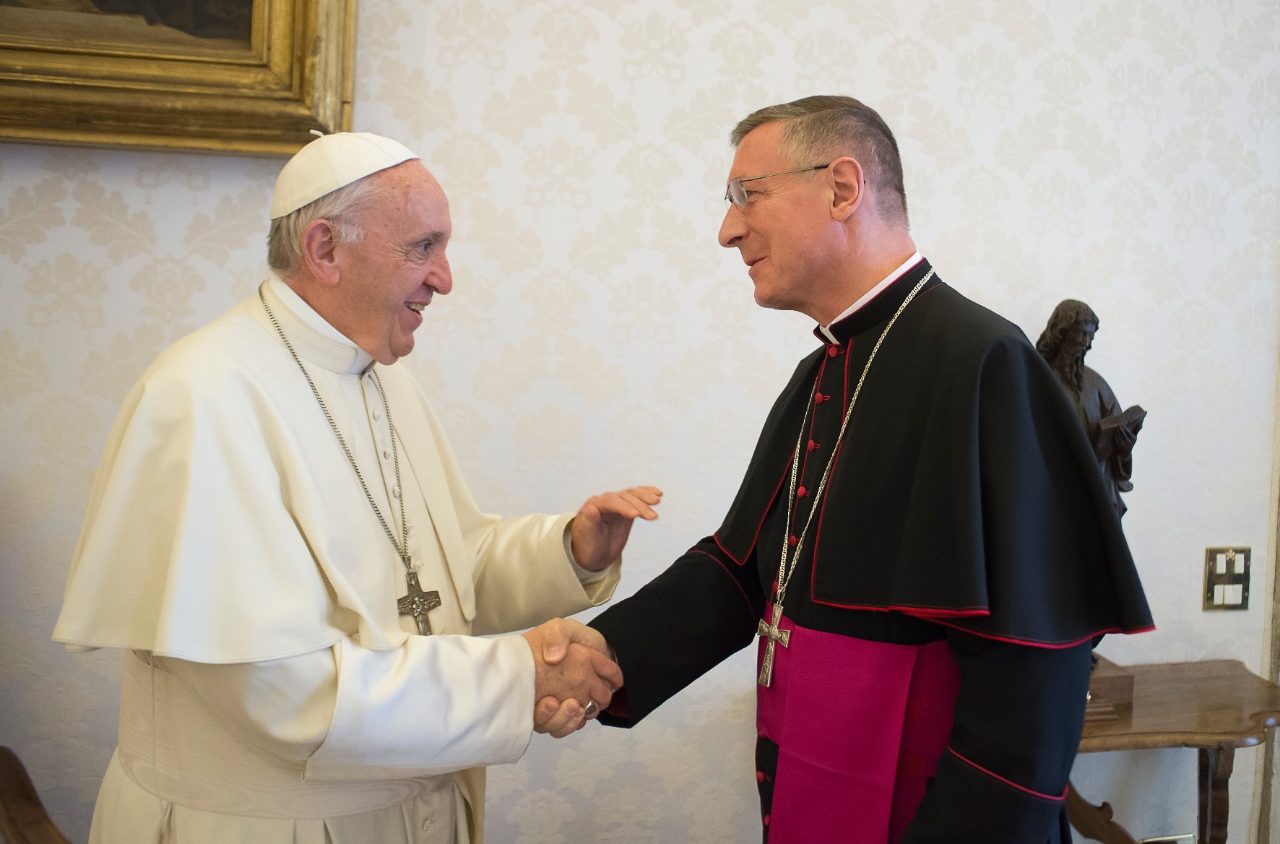
Vatican City - The Holy Father Leo XIV today, Saturday 25 April 2026, appointed His Excellency the Most Reverend Monsignor Wojciech Załuski, Titular Archbishop of Diocletiana and hitherto Apostolic Nuncio to Malta, as Apostolic Nuncio to Libya. The announcement was made by the Holy See Press Office, thereby completing the changeover begun on 2 February with the retirement of the Chinese Salesian Savio Hon Tai-Fai
The appointment comes less than two months after the Polish prelate's transfer to the Maltese island - on 28 February - and confirms a now well-established diplomatic practice which for thirty years has united in the person of the same papal representative the accreditation both to the Republic of Malta and to the Libyan government.
A 'roving' Nunciature between two shores of the Mediterranean
To grasp the meaning of Leo XIV's decision, one must look back to the ecclesiastical geography of North Africa. The Catholic Church in Libya - poor in baptised faithful, marked by the Italian colonial past and today caught between official Islam, the migration emergency and humanitarian aid for the few Christians still in residence - has never had a permanent papal representative on its own soil. Until 1965, Catholic interests in the country were entrusted to the Apostolic Delegate in Algeria. Thereafter, and for more than three decades, the diplomatic care of Libya remained sub specie delegationis, without full representation. Only on 10 March 1997, with the brief Ad firmiores reddendas of Saint John Paul II, did the Holy See and Tripoli establish formal diplomatic relations, giving rise to the Apostolic Nunciature to Libya. Yet the see has never truly been African: as early as 1995 the papal representative for that jurisdiction has resided at the Nunciature palace of Tal-Virtù, in Rabat, Malta, and ever since José Sebastián Laboa Gallego received in March 1997 the further commission as Nuncio to Libya, the personal union of the two posts has become an unwritten rule. Since then, every Nuncio to Malta has likewise - systematically, if by separate acts and at separate times - been Nuncio to Libya: from Luigi Gatti to Luigi Conti, from Félix del Blanco Prieto to Tommaso Caputo, from Aldo Cavalli to Alessandro D'Errico, down to the aforementioned Hon Tai-Fai. A choice of logistical economy, to be sure, but also of political prudence: Libya, torn apart by civil war and the fragmentation of power between Tripoli and Benghazi, makes the permanent presence of a Vatican diplomat on national soil unworkable. Załuski, in keeping with this tradition, will continue to operate from the Maltese residence at 20/22 Pietru Caxaru Street.
The profile of a long-serving diplomat
Wojciech Załuski is no newcomer to the corridors of the Secretariat of State. Born on 5 April 1960 at Załuski-Lipniewo, in central-eastern Poland and within the Diocese of Łomża, he completed his ecclesiastical studies, crowned with a licentiate in canon law. On 1 June 1985 he was ordained a priest for his particular Church by Bishop Juliusz Paetz. A few years later the young priest crossed the threshold of the Pontifical Ecclesiastical Academy, and on 1 July 1989 he entered the diplomatic service of the Holy See. There followed a geographically vast trajectory - Burundi, Malta (yes, already then, as Secretary of the Nunciature), Albania, Zambia, Sri Lanka, Georgia, Ukraine, the Philippines and Guatemala - which moulded him as a hands-on diplomat, accustomed to complex theatres and minority Catholic communities far more than to the Roman curial milieu.
His episcopal consecration came under Pope Francis. On 15 July 2014, Bergoglio appointed him Apostolic Nuncio to Burundi and Titular Archbishop of Diocletiana, an episcopal see in partibus of the ancient Roman province of Africa. On 9 August that same year he received the laying on of hands from the Cardinal Secretary of State Pietro Parolin. The episcopal motto he chose for himself, Soli Deo - 'to God alone [be the glory]' - distils a sober, almost monastic spirituality of Pauline and Ignatian inspiration. Six years later, on 29 September 2020, Pope Francis transferred him to Asia, entrusting to him the threefold representation to Malaysia, Timor-Leste and Brunei Darussalam: a delicate post which saw him welcome the Argentine Pontiff on the apostolic journey of September 2024 to Dili, the last great international engagement of the Bergoglian pontificate before the worsening of the illness that would lead him to his death on Easter Monday 2025. Less than five years on - and following the election of Robert Francis Prevost to the See of Peter as Leo XIV - the door of Malta opened for Załuski on 28 February 2026, and today that of Libya. A twofold mission which, in the space of a few weeks, places him in effect among the most strategic nuncios in the Mediterranean theatre: a land of migration routes, of Islamic-Christian dialogue, of ecclesial charity towards those shipwrecked in the Strait of Sicily. Precisely that mosaic of pastoral and geopolitical urgencies which the new Pontiff appears intent on placing at the heart of his diplomacy.