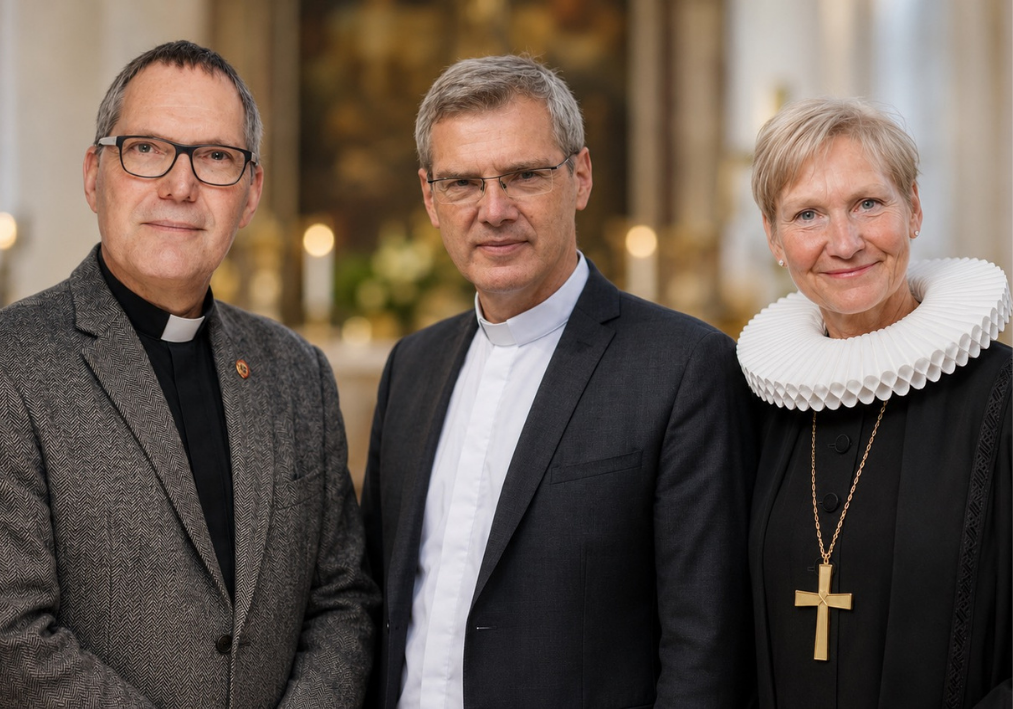
Why does a single bishop - the Bishop of Rome - have the authority to intervene in every diocese, religious community and monastery in the Catholic world, even when he has no first-hand knowledge of the people, events and circumstances on which he is called to make decisions? The question came up a few days ago over lunch, when we found ourselves around the same table in one of those combinations that sounds like the beginning of a joke: a Catholic, an Orthodox Christian and an Anglican.
I was explaining to these brothers that, in reality, this is by no means a question confined to ecumenical dialogue. It is a question that Catholics themselves often ask in the everyday life of the Church: clergy and lay people alike, with little distinction between them.
It is a question that has probably become even more pressing in the light of what happened during the twelve years of Francis’s pontificate, a period that profoundly affected the life of the Church and which, for some, also left wounds that are difficult to ignore. Pope Francis spoke insistently of synodality, of the Church as a people journeying together and of authority as service; at the same time, however, his pontificate showed just how extensive the scope for discretionary intervention available to the Roman Pontiff and to those acting directly on his mandate can be.