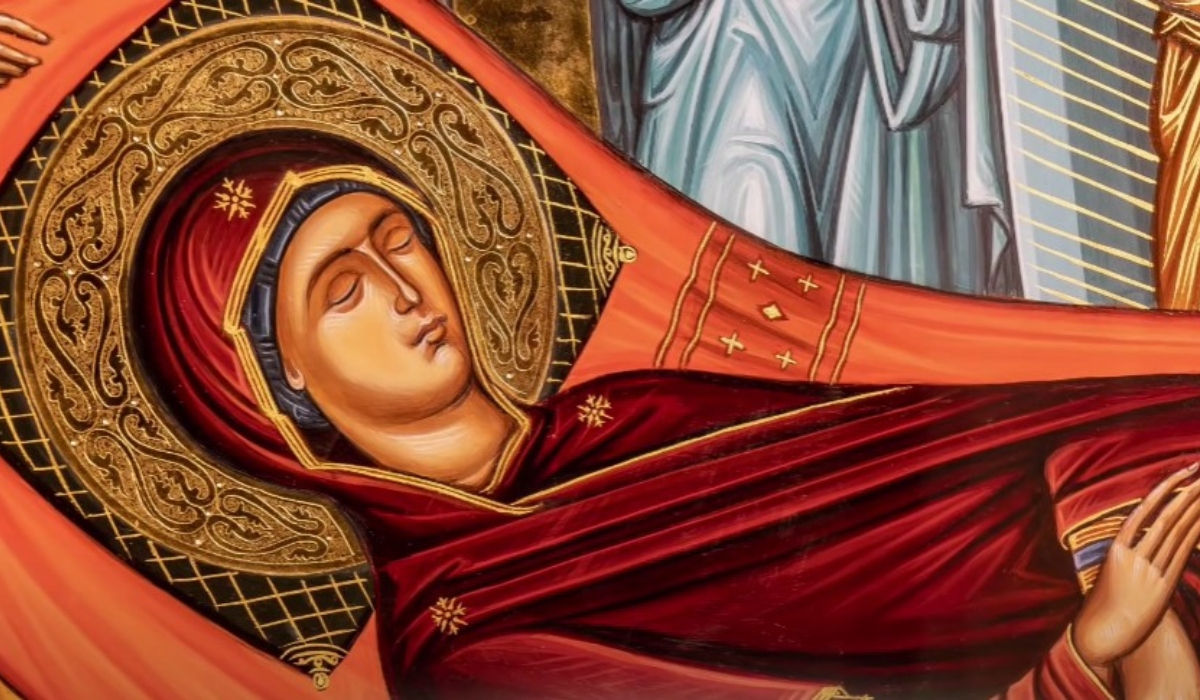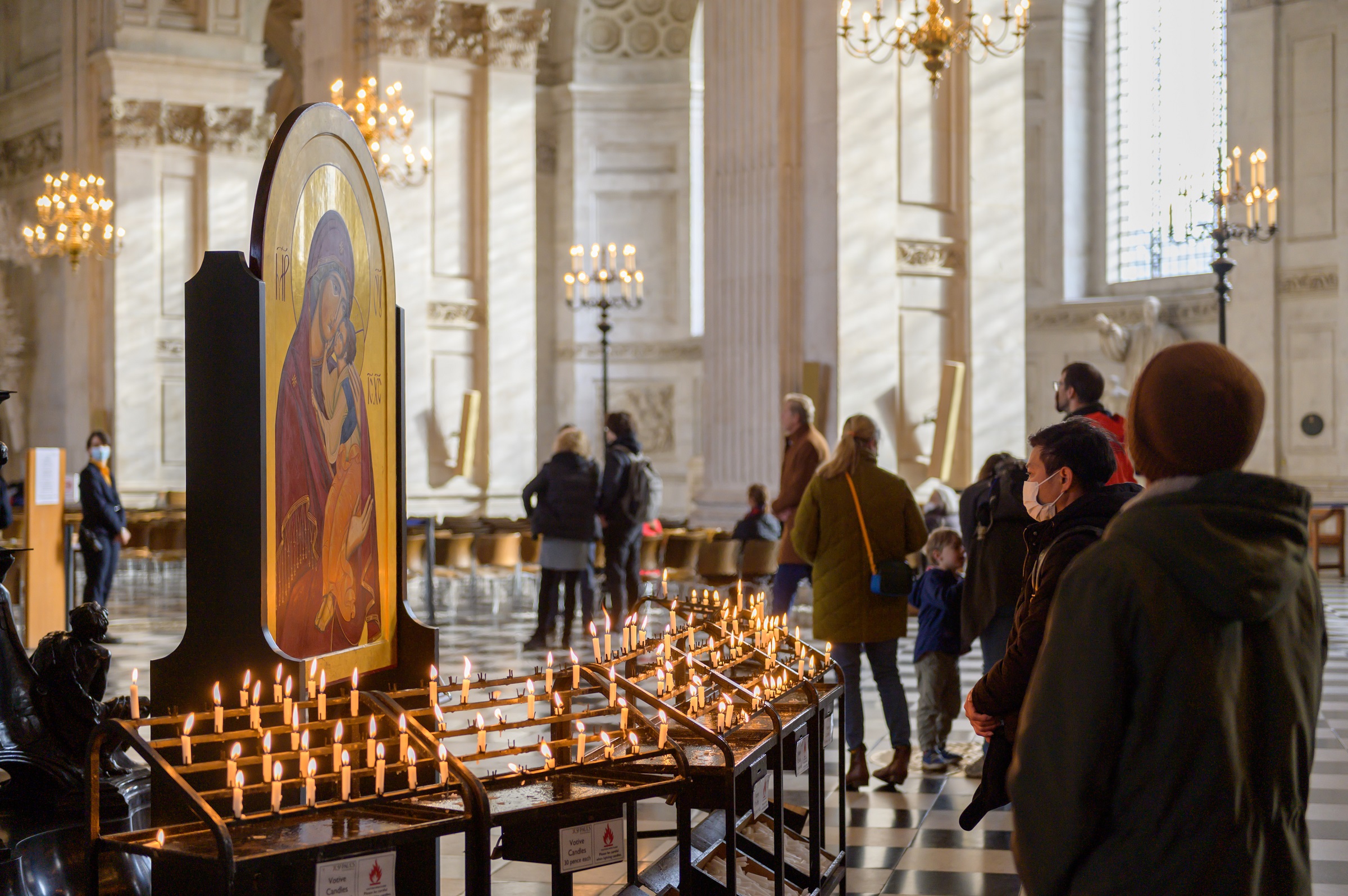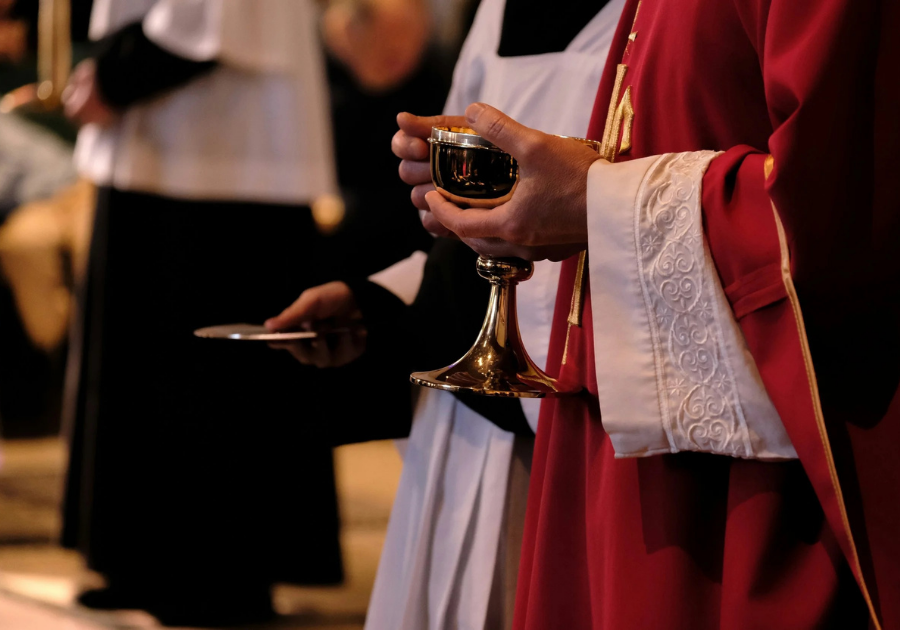
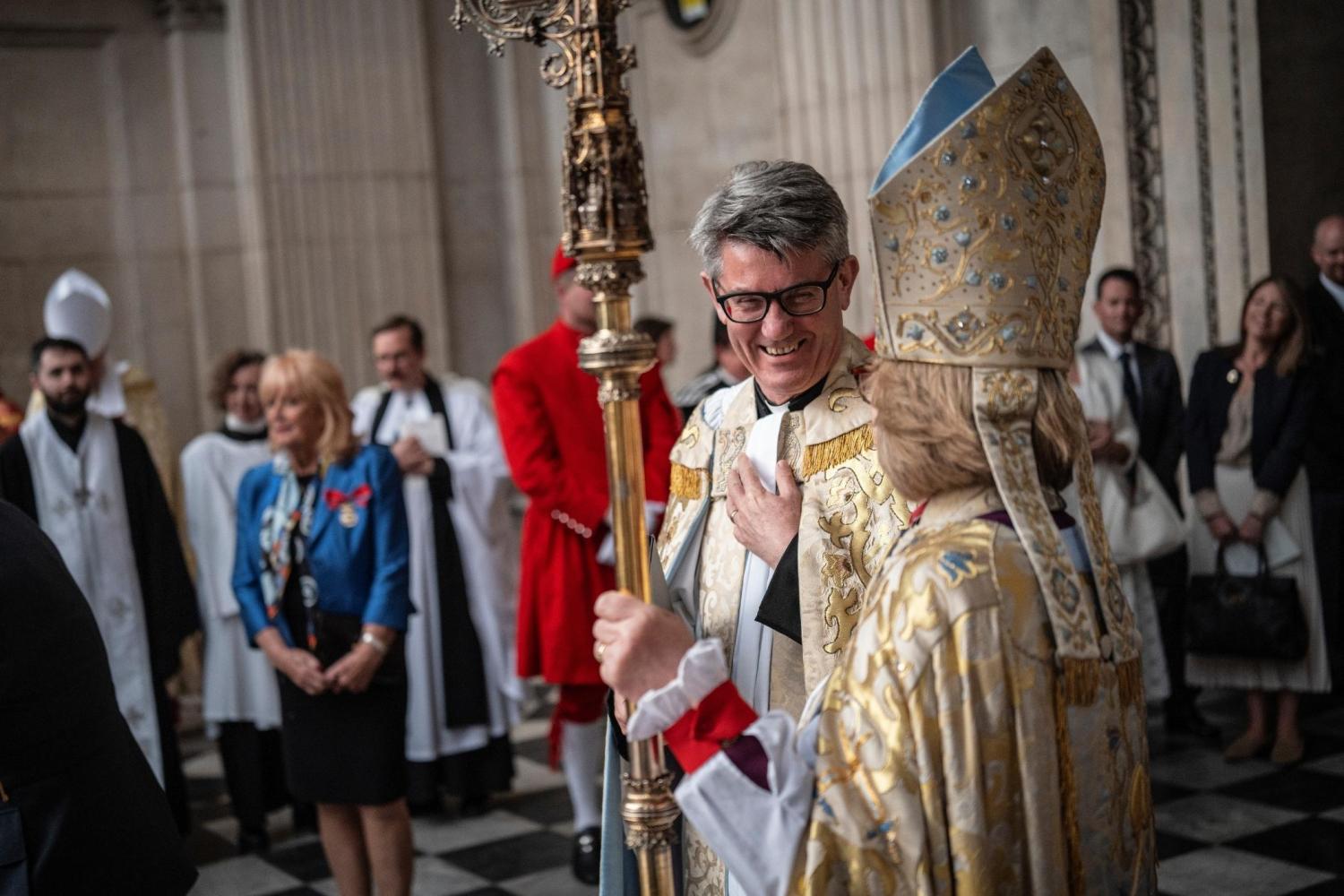
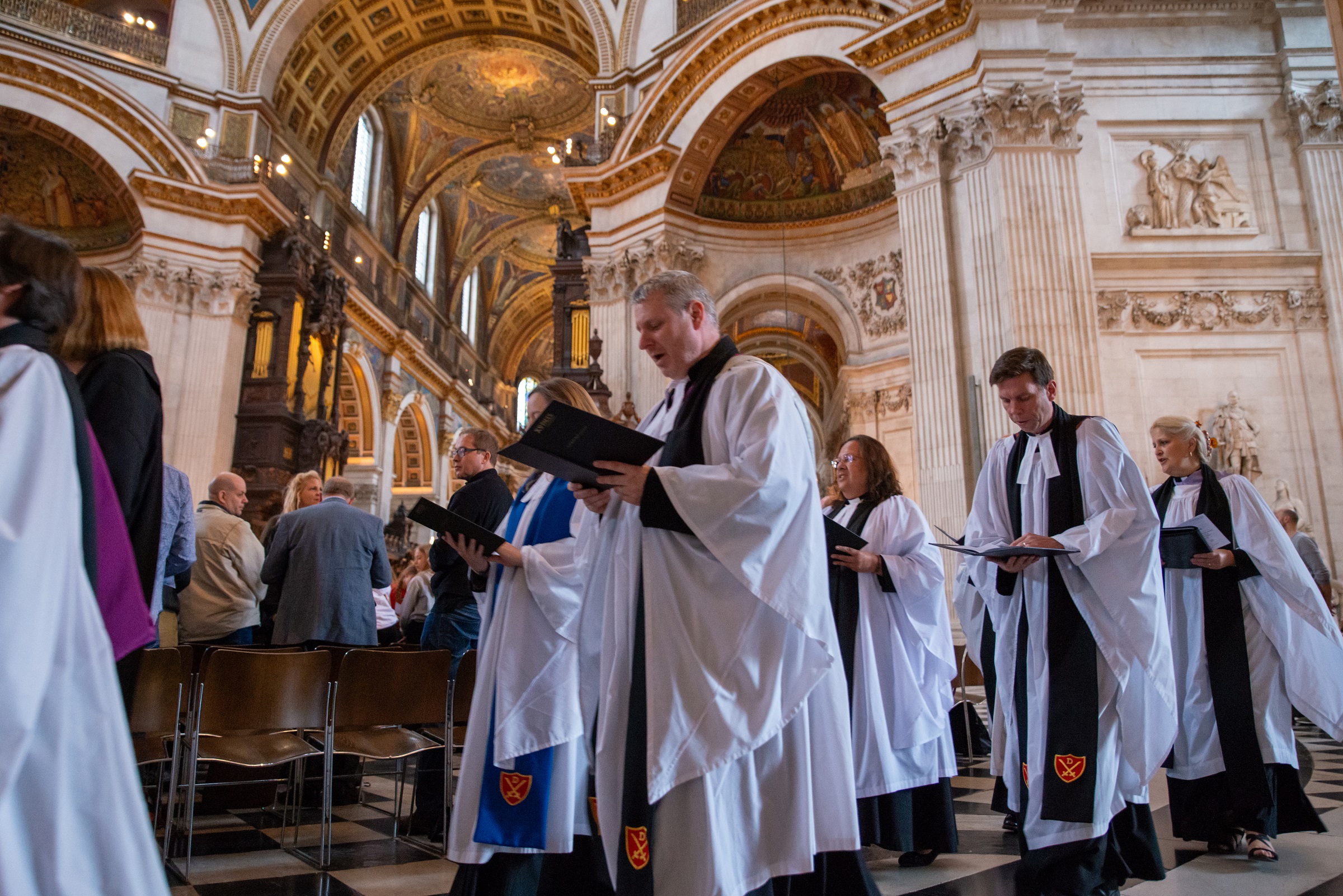
London - At St Paul’s Cathedral in London, the seat of the Anglican Diocese of London, the day is marked with a Sung Eucharist in honour of the Blessed Virgin Mary, open to worshippers of all denominations. In the cathedral’s official calendar, the observance appears alongside another Marian feast found in the Anglican tradition, the Visitation of Mary to Elizabeth.
A feast removed from the calendar - and later restored
The observance of 15 August has had a chequered history within Anglicanism. At the Reformation, the 1549 Book of Common Prayer removed it from the calendar, while retaining other biblical Marian feasts such as the Purification and the Annunciation. The decision reflected a desire to ground the veneration of the saints in episodes recounted in Scripture, avoiding references to traditions regarded as lacking a textual basis.
The feast of 15 August did not return to Anglican liturgical books until the twentieth century, beginning with the Scottish Prayer Book of 1929, where it appeared under the title “Falling Asleep of the Blessed Virgin Mary”. Local adaptations followed in South Africa, the United States, New Zealand and Australia, each with its own form. The Church of England followed only in 2000, with the introduction of Common Worship: the feast was given the neutral title “The Blessed Virgin Mary”, together with the clarification that no doctrinal implications should be inferred from transferring the date.
The doctrinal question
Anglican liturgical texts for 15 August focus on Mary as she appears in the Gospels, on the Magnificat and on the place of the Mother of Jesus in salvation history, without addressing the question of what happened to her body. For pastoral reasons, the Church of England permits the Festival of the Blessed Virgin Mary normally kept on 15 August to be celebrated instead on 8 September. That date is otherwise observed as the Birth of the Blessed Virgin Mary, a Lesser Festival; where the August festival is transferred, the principal Marian celebration is therefore kept on 8 September in place of the lesser observance of Mary’s Nativity.
The Episcopal Church in the United States also observes 15 August, under the title “Saint Mary the Virgin, Mother of Our Lord Jesus Christ”. The collect used there refers to Mary’s glorification in more explicit terms than the English formulary, while still stopping short of mentioning the Assumption directly.
A daily devotion, not just an annual one
In the Anglican tradition, the remembrance of Mary is not confined to this one day. The Magnificat, the canticle which Luke attributes to Mary during her visit to Elizabeth, forms part of every celebration of Evensong, the choral office that marks the daily life of cathedrals such as St Paul’s. The feast of 15 August therefore represents the most solemn expression of a Marian devotion which, within the Church of England, is not accompanied by any dogmatic definition concerning Mary herself.