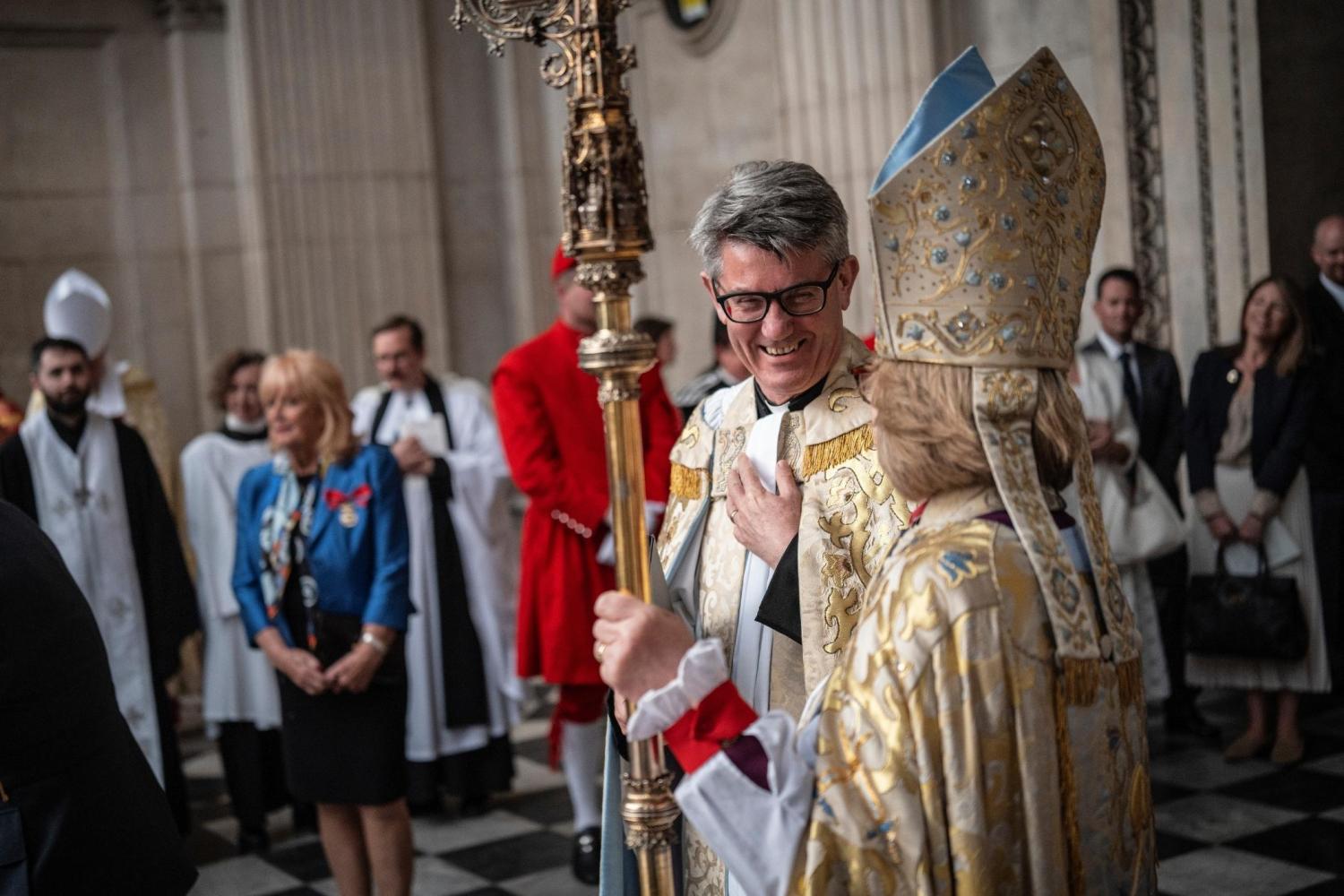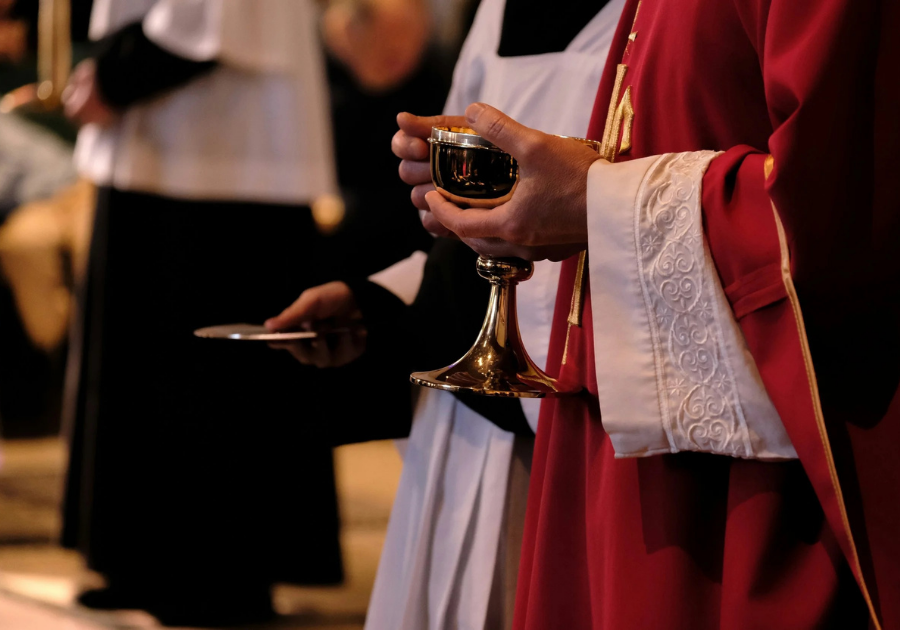
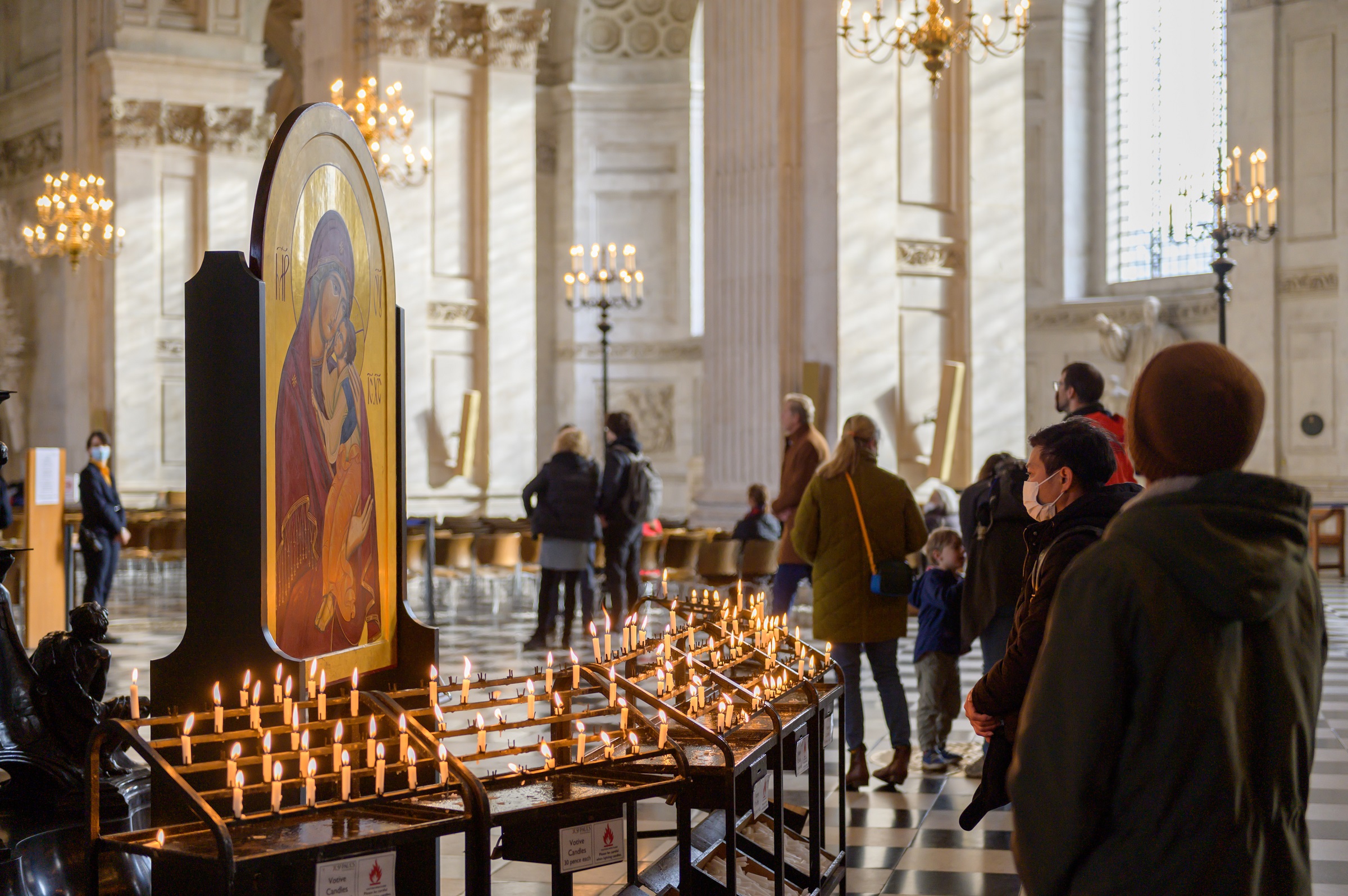
Every day, in hundreds of cathedrals, university colleges and parishes across the United Kingdom, clergy under a canonical obligation say prayers whose words date back to 1549. This is the Church of England’s daily round of prayer, a liturgical tradition shaped by almost five centuries of history which, remarkably, remains readily recognisable today. In recent years it has even found a new audience through an app and podcast downloaded millions of times.
The system in use today emerged from the reforms of Thomas Cranmer, Archbishop of Canterbury under Henry VIII. In 1549, Cranmer condensed the eight offices of the medieval monastic cycle - Matins, Lauds, Prime, Terce, Sext, None, Vespers and Compline - into just two daily services, Morning Prayer and Evening Prayer. In doing so, he opened up to the whole parish congregation a practice that had previously been largely confined to religious communities and the clergy. With the 1662 Book of Common Prayer, still used alongside more recent forms, those services took on much of the shape they retain today, expressed in English rather than Latin. According to the Oxford historian Diarmaid MacCulloch, that decision played a significant part in the development of modern English.
For clergy, saying the offices is not simply a matter of personal devotion. Canon C 26 requires every ordained cleric, including bishops, to say Morning and Evening Prayer each day, either privately or in public, unless prevented by illness or another serious cause. A historical study published in the Ecclesiastical Law Journal traces the obligation back to the Fourth Lateran Council of 1215 and stresses its continuing force: it remains binding even after a priest resigns, retires or is suspended.
Anyone consulting the Church’s official liturgical texts today will find two parallel forms: the Book of Common Prayer, with its archaic language, and the more recent Common Worship: Daily Prayer, published in 2000 in contemporary English. Both are built around psalms, biblical readings in the NRSV translation, canticles and intercessions, following a calendar that includes the feasts and commemorations of saints set out in the Common Worship Calendar. Alongside the two main offices are shorter forms, including Prayer During the Day for those who do not have time for a full office, and Night Prayer, the equivalent of Compline, said before going to bed.
It is the sung form of Evening Prayer, however, known as Choral Evensong, that has in recent decades become known well beyond the world of regular churchgoers. Celebrated on weekdays, usually between five and six in the afternoon, in most English cathedrals, it attracts a varied congregation, often including people with no particular religious affiliation, drawn above all by the quality of the music. At its heart are the treble voices of the choristers, young singers aged between nine and thirteen who sing alongside professional adult singers. It is a musical training model supported by cathedrals such as Rochester and York with annual budgets that can exceed a quarter of a million pounds, and one that the Cathedral Music Trust, founded in 1956 to counter the decline of sacred music after the Second World War, continues to describe as fragile despite its widespread presence.
Paradoxically, the daily offices have found fresh life in the digital age. The Daily Prayer app, produced by Church House Publishing and supplemented since 2021 by an audio version featuring readings, psalms and music from St Martin’s Voices, has attracted more than one million unique listeners and five million downloads in just a few years. Around eight thousand people now listen to Morning or Evening Prayer by podcast each day. According to the Bishop of Exeter, Robert Atwell, chair of the Church’s Liturgical Commission, the phenomenon reflects a desire for a moment of contemplation in an age of fast-moving content consumption: a sign that a liturgy devised to give rhythm to the days of the medieval clergy can still, five centuries later, become part of the daily rhythm of people’s lives.