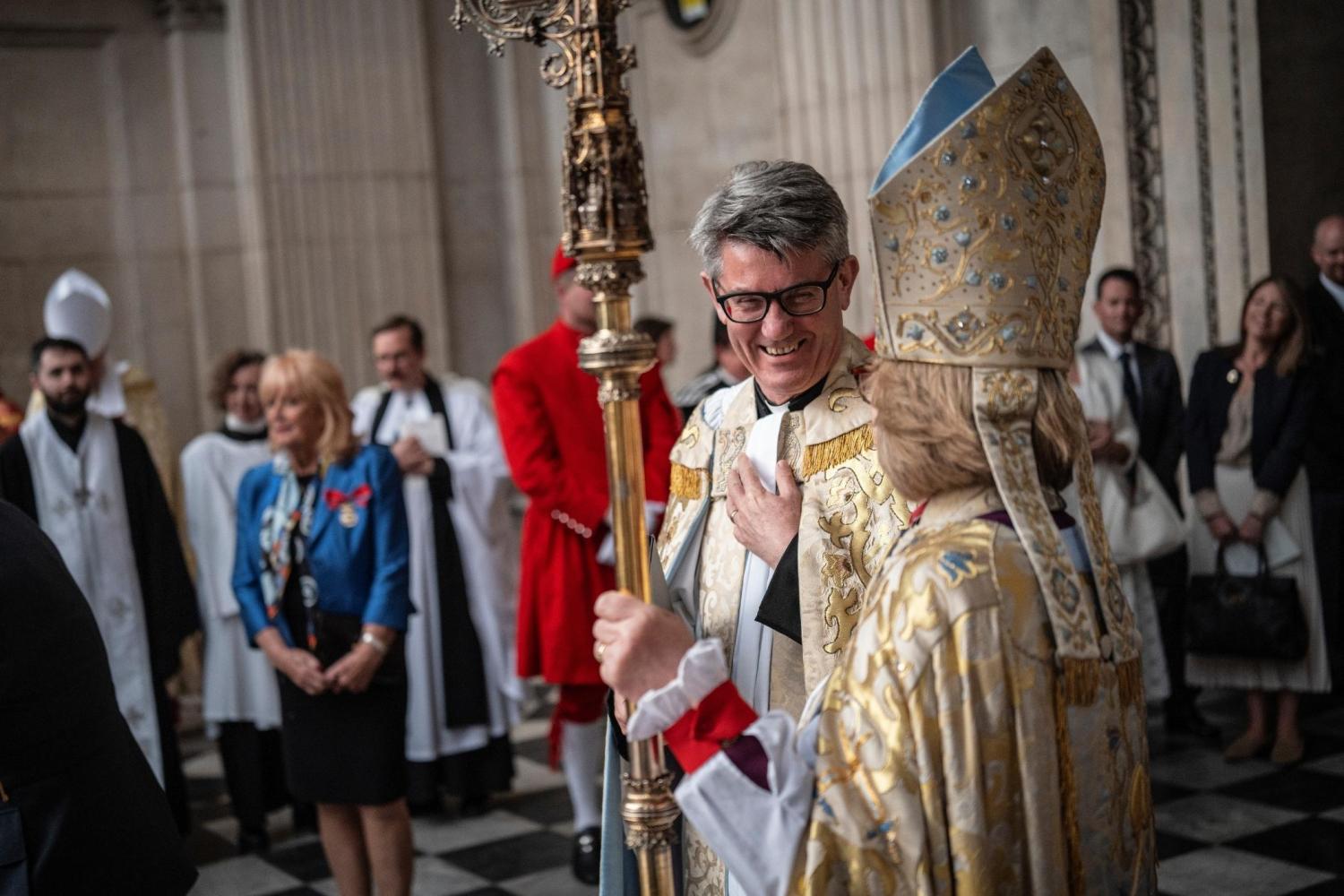
In Church of England terminology, clergy pay is known as a stipend, a technical term dating back to a time when parishes were supported by income from land and tithes. The term still reflects the clergy’s distinctive legal status as office holders: people appointed to an ecclesiastical office. The money a priest receives each month passes through a layered financial system, beginning with Sunday giving in local parishes and reaching all the way to an £11.6 billion investment fund.
A status somewhere between office and employment
Until 2011, most parish incumbents held the freehold, a form of tenure that made them virtually impossible to remove and was a direct legacy of the medieval system of ecclesiastical benefices. The Ecclesiastical Offices (Terms of Service) Measure 2009, which came into force in January 2011, introduced Common Tenure, now the predominant form of appointment.
It gives clergy some of the rights normally associated with employment, including an internal grievance procedure, the right to be consulted in the event of pastoral reorganisation and, in specific circumstances, access to an Employment Tribunal. Even so, it remains distinct from an ordinary contract of employment. The Church Commissioners, the body that in practice pays the stipends of most parish and diocesan clergy, are not legally their employer.
From Sunday giving to the Church Commissioners
The day-to-day funding of clergy begins with money raised in local parishes. Each Parochial Church Council pays a contribution to its diocese known as the Parish Share - or, in some dioceses, the Common Fund - calculated on the basis of an estimated cost covering stipends, pension contributions, housing and the training of curates. In the Diocese of London, the benchmark for each ministry post in 2026 has been set at £19,400, 7.1 per cent lower than the previous year. The Diocesan Board of Finance collects these contributions and pays the stipends.
The Church Commissioners provide another important source of funding. They manage the Church of England’s historic assets, which were worth £11.6 billion at the end of 2025, compared with £7 billion ten years earlier. The fund returned 8 per cent in 2025 alone, marking its seventeenth consecutive year of growth.
It covers around one fifth of the Church of England’s overall operating costs. In the final year of the 2023–2025 funding period, £202.8 million was allocated to supporting dioceses and local churches, £52.9 million to episcopal ministry and a further £17.8 million to cathedrals. The fund also finances clergy pension liabilities accrued before 1998 and the national compensation scheme for victims of abuse. For the 2026–2028 period, the amount allocated rises to £1.6 billion, 36 per cent more than in the previous period.
How much are clergy paid?
From April 2026, the National Minimum Stipend - the legal minimum below which no diocese may go for full-time stipendiary clergy - rose by 10.7 per cent to £33,350 a year. The National Stipend Benchmark, the recommended standard figure, increased to £34,950.
The rise, the largest in recent years, is explicitly intended to restore purchasing power eroded by inflation since 2011, the year in which the global financial crisis led to cuts to clergy stipends and pensions. Those beginning their curacy also receive, from 2026, a first appointment grant of £3,335.
Beyond the stipend
The stipend comes with significant additional benefits. Housing, almost always in a parsonage owned by the diocese, is provided free of charge. The Church also gives its ministers a specific tax allowance to offset this benefit in kind and, in many cases, covers council tax as well.
On pensions, the Church of England Pensions Board has recently begun implementing a reform approved by the General Synod in July 2025 and confirmed in February 2026. From April 2026, it will gradually restore pension provision to its pre-2011 level: two thirds of final stipend after forty years of service. The additional long-term cost is estimated at £900 million.
Clergy who serve without a stipend
Not all clergy fall within this system. Self-supporting ministers, who continue in secular employment, serve without any remuneration apart from reimbursement of out-of-pocket expenses. This is a situation that applies to a growing proportion of those entering Anglican ministry today.