Priests obsessed with ceremonial, visibility and prestigious appointments do not become that way after ordination. The warning signs were often already there, but someone chose not to address them.
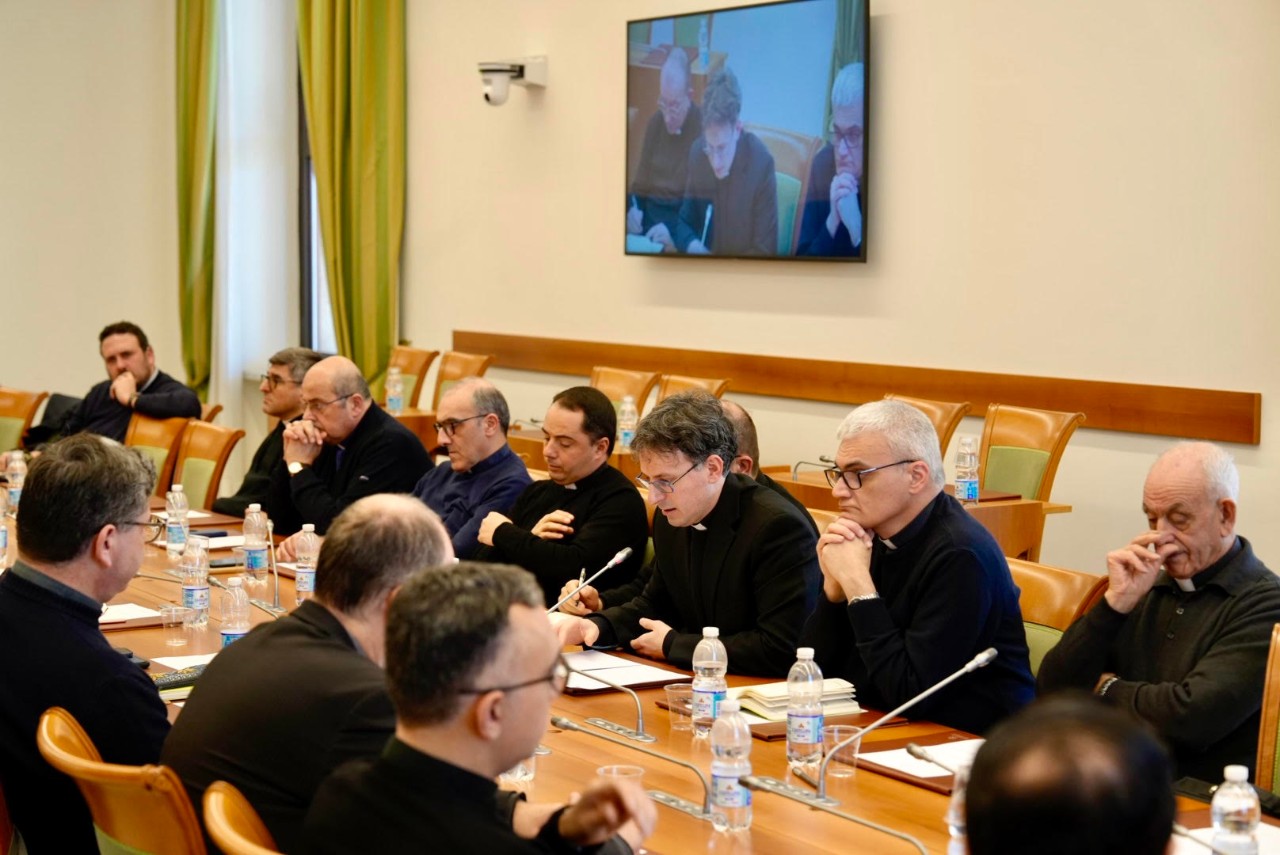
From the seminary to the bishop’s inner circle: when formation fails
Priests obsessed with ceremonial, visibility and prestigious appointments do not become that way after ordination. The warning signs were often already there, but someone chose not to address them.
SUPPORT SILERE NON POSSUM
If this article is online, it is also thanks to your support.
Silere non possum chooses to make most of its investigations and content freely accessible, because independent journalism must be able to reach everyone.
Supporting our work means allowing us to continue verifying, reporting and publishing what others would prefer to keep hidden.