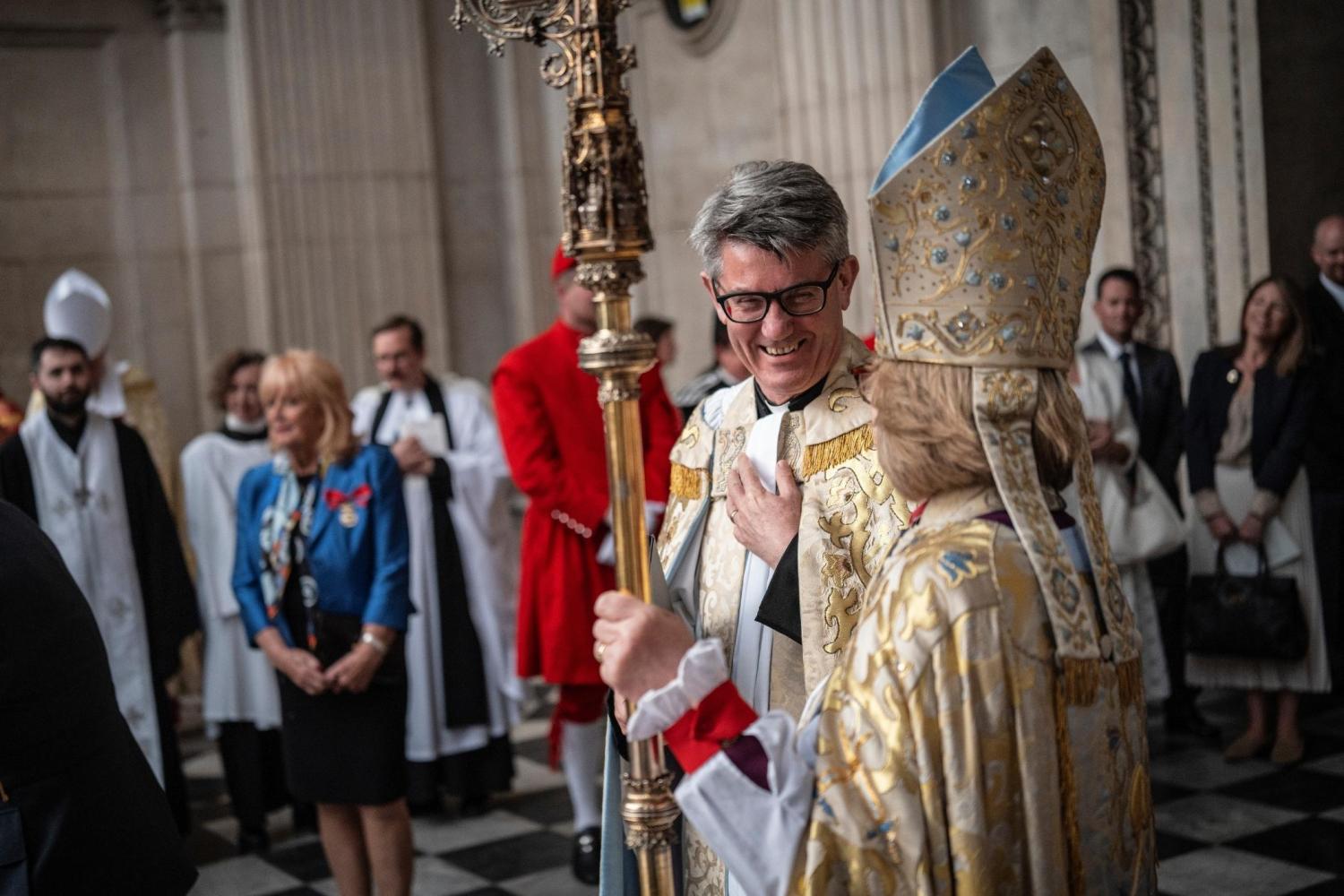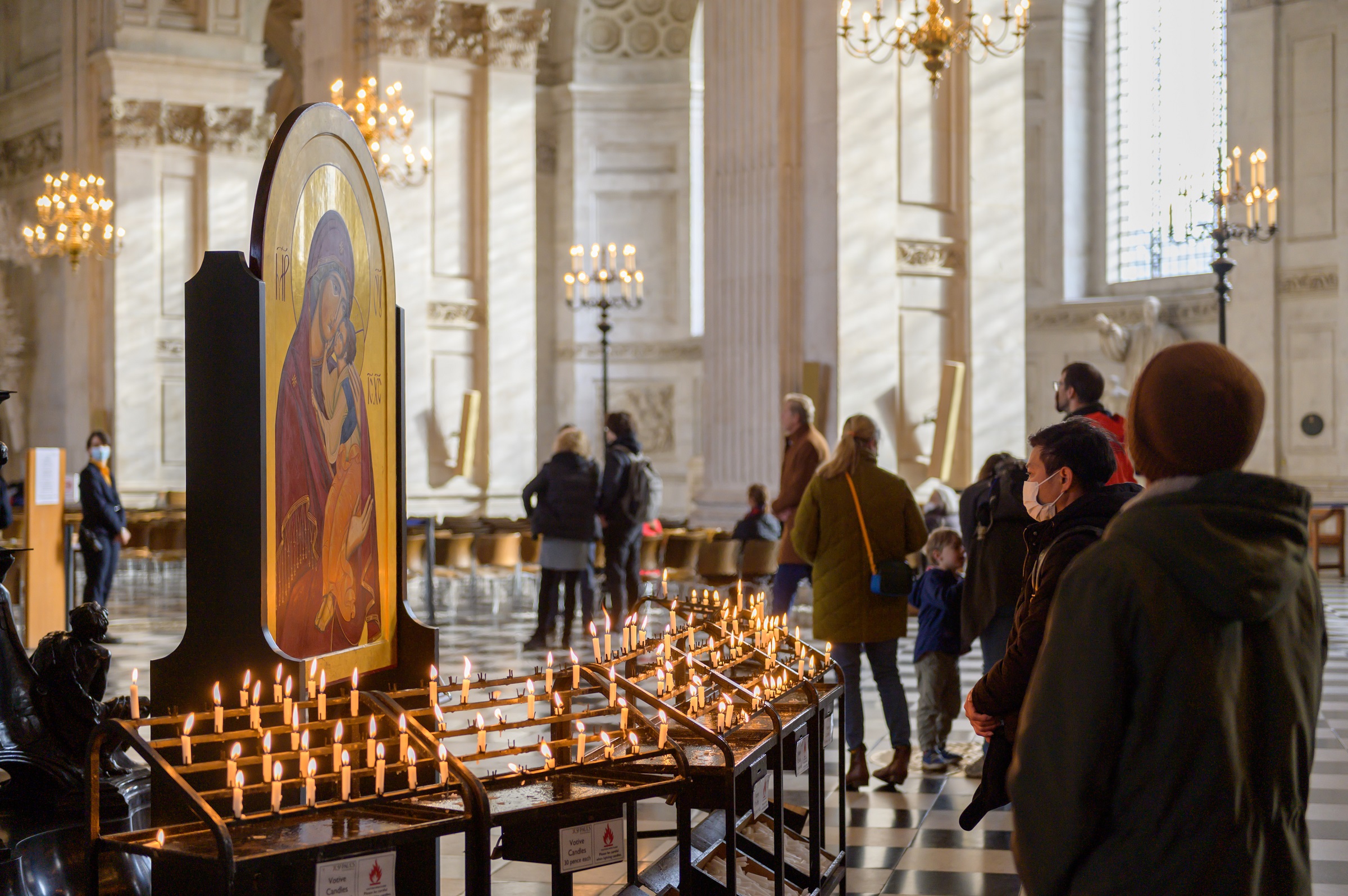
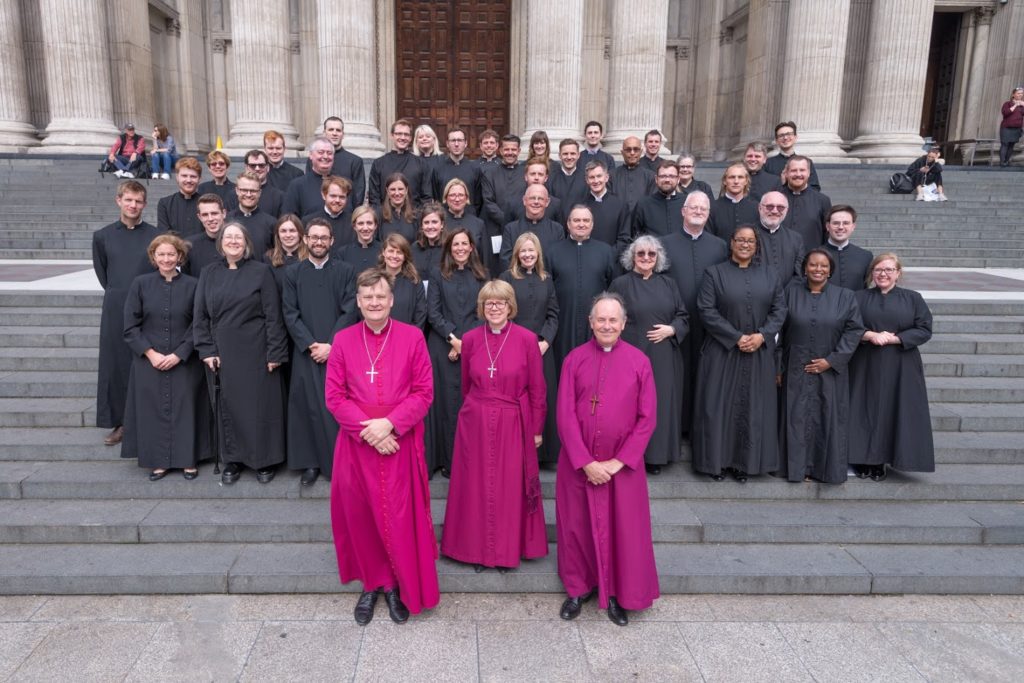
London - The Diocese of London, the part of the Church of England covering 403 parishes and 475 churches north of the Thames, from Staines to Enfield, is currently without a diocesan bishop: the see has been vacant since the spring, when Sarah Mullally left Fulham Palace for Lambeth Palace after becoming Archbishop of Canterbury.
Who becomes an Anglican priest?
Becoming a priest in the Church of England almost always begins with an informal conversation. Someone who feels called to ordained ministry will usually speak first to their parish priest. Anglican clergy may marry and have families, while women have been ordained to the priesthood since 1992 and consecrated as bishops since 2014. Sarah Mullally, the first female Archbishop of Canterbury in history, is the most recent example. One fundamental requirement remains, however: candidates must be confirmed communicant members of the Church of England and rooted in a parish community able to testify to their vocation.
From the initial conversation with the parish priest, the process moves on to the Diocesan Director of Ordinands (DDO), the diocesan official responsible for accompanying candidates through the discernment process. This is followed by a structured pathway known as the Shared Discernment Process, culminating in a selection panel. A group of assessors, often including a bishop, a theologian and other diocesan representatives, assesses the candidate’s vocation through interviews, group exercises and the preparation of a personal profile. Ultimately, it is the diocesan bishop who decides whether to recommend the candidate for training and which route they should follow.
Anglican theological training: the case of St Mellitus College
Candidates recommended for training follow one of three routes: a residential theological college, often located within the so-called “golden triangle” between Oxford, Cambridge and London; a non-residential course combining evening classes with practical parish experience; or a mixed model somewhere between the two.
In the Diocese of London, St Mellitus College is the main institution for theological training. Founded in 2007, it is now the largest institution training Anglican clergy in the United Kingdom and, according to 2025 figures, prepares almost a quarter of all those newly ordained in the Church of England. Its main base is in Earl’s Court, within St Jude’s Church in Kensington, and students are not required to live in residence. Ordinands work or remain in their own parishes during the day and attend one evening of classes each week, alongside a supervised pastoral placement. The course lasts three years and leads to either a degree or a diploma in Theology, Ministry and Mission, validated by Durham University; those who already hold a degree can go on to study for a master’s.
The most significant distinction concerns the kind of ministry for which candidates are preparing. Stipendiary ordinands, who are training to become full-time clergy paid by the diocese, generally follow more intensive programmes. Self-supporting ministers, who remain in secular employment while serving part-time and without a stipend, undertake training spread over a longer period.
From ordination to pastoral ministry
Once training has been completed, the candidate is ordained deacon, but is not yet a priest. This is the first stage of a process that continues with a curacy, a period of supervised ministry alongside a more experienced priest, known as the training incumbent, which normally lasts three years. Around twelve months after ordination as a deacon, those who continue successfully are ordained to the priesthood.
The ministry of a priest
Once ordained, a priest administers the sacraments recognised within the tradition of the Church of England: baptism, the Eucharist, marriage, anointing of the sick and funerals. Individual confession exists and is provided for in the Book of Common Prayer, but remains optional. The formula that has summed up Anglican practice for centuries is that “all may, none must, some should” make use of it.
A priest may marry, have children and live a fully public family life: there is no vow of celibacy. With seniority and the appropriate appointments, clergy may take on positions of increasing responsibility, from serving as the vicar of a single parish through to the episcopate.
The figures: an ongoing vocations crisis
The figures point to a structural difficulty. The number of stipendiary clergy nationwide fell from 7,730 in 2015 to 6,695 in 2024. Entries into training, after reaching a peak during the pandemic, then declined sharply: the number of candidates for stipendiary ministry fell from 417 in 2020 to just 229 in 2023, reflecting both the impact of Covid and internal tensions surrounding debates over sexuality and marriage. Only recently has the trend begun to reverse. The overall number of ordinands, stipendiary and self-supporting combined, rose from 329 in September 2024 to 442 in September 2025, the first increase after four consecutive years of decline.
In the Diocese of London alone, the pastoral network comprises 403 parishes and 475 places of worship across an area of 460 square kilometres, alongside a network of 95 chaplains serving in schools, hospitals, the Metropolitan Police, Heathrow Airport, prisons, theatres, the armed forces and a range of institutions within the City of London. Despite the vacant see, it is one of the dioceses to have recorded the strongest growth in Sunday attendance in recent years, according to the Church of England’s own statistics.