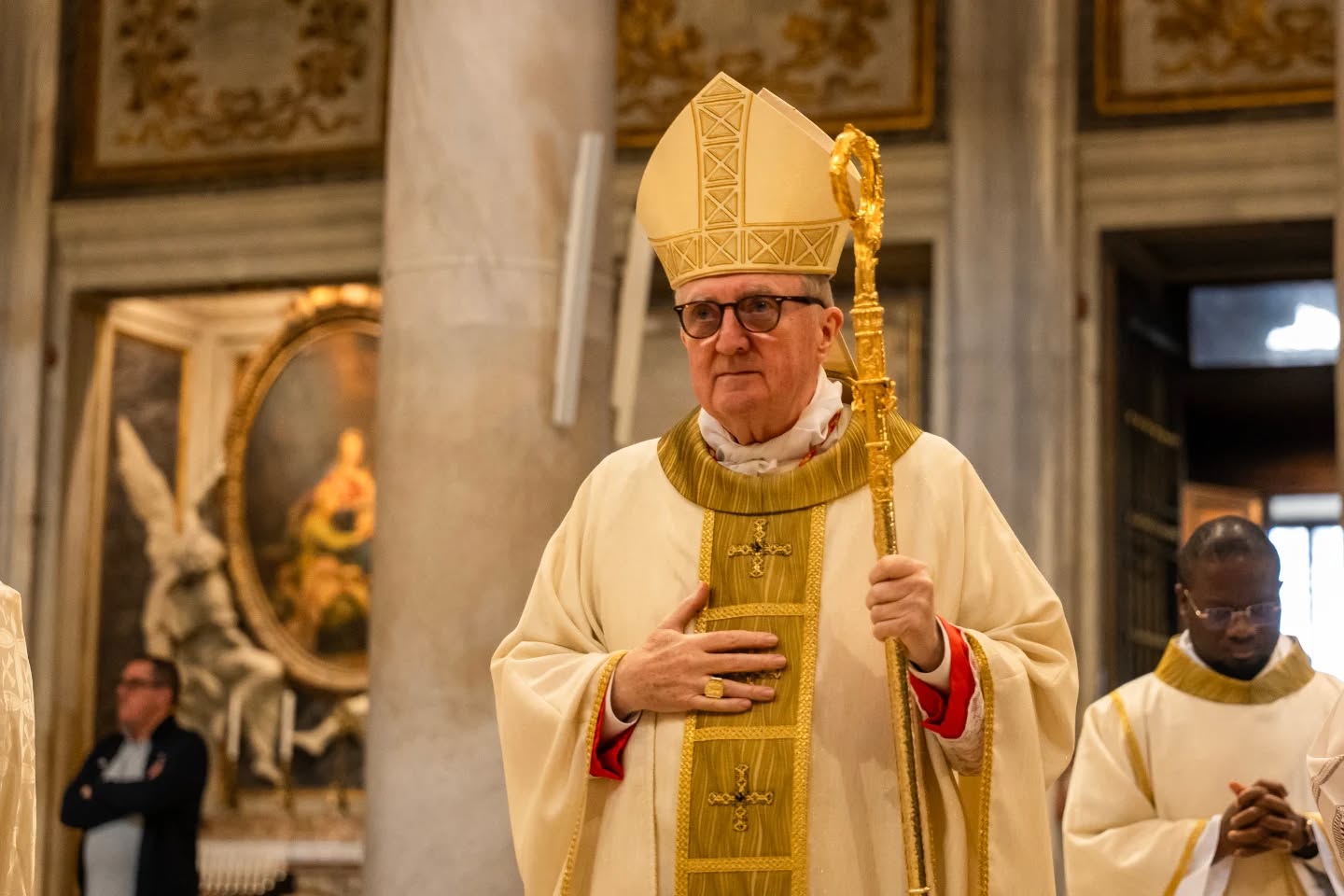
Vatican City – Cardinal Arthur Roche has set out Pope Leo XIV’s position on liturgical discipline in a wide-ranging interview with Maggie Fergusson for the British weekly The Tablet. The Prefect of the Dicastery for Divine Worship and the Discipline of the Sacraments confirmed that the Pope intends to leave Traditionis custodes in place. The motu proprio, issued by Francis in 2021, restricted the celebration of Mass according to the 1962 Missal. Roche also ruled out any return to the wider provisions introduced by Benedict XVI under Summorum Pontificum.
Asked why the issue remains so sensitive, Roche stressed that it was both highly complex and deeply important because it concerned the Eucharist, which he described as “the sacrament of unity”: the place where the whole community should be able to come together to celebrate Mass. “So if it begins to divide us,” he said, “there’s something seriously amiss.”
The Prefect also described an exchange which, he said, frequently takes place when he meets groups attached to the pre-conciliar liturgy, although he did not identify the groups concerned. “When I meet with groups who want the antecedent liturgy, and I say: ‘Well, the Holy Father has given you that, so what’s the problem?’, they can’t answer. But then they go away and say, ‘We’re still being persecuted’.” Roche then used a musical metaphor to describe their continuing complaint: “In what way persecuted? Why is the band still playing a tune that is discordant with the life of the Church?”
Asked whether an elderly woman who had grown up with the Tridentine Mass should therefore consider the way she had practised her faith as a child to have been wrong, Roche gave an unequivocal answer: “No.” He referred to the Second Vatican Council’s teaching that the Church needed to become more missionary. To prepare the faithful for that mission, he explained, the Eucharist, as the very heart of the Church’s life, had to nourish them in a different way. “The abundant diet of Scripture that is now given through the celebration of the Mass and the sacraments is something that wasn’t available to us before, but it is now.”
Roche also drew a distinction between the roles given to the celebrant and the congregation. In the Tridentine Mass, the emphasis is on the priest acting on behalf of the congregation. In the reformed liturgy, the baptised also take part in the celebration alongside the priest who presides because “the baptised people are a priestly people” and “they too are celebrating with the priest”.
In concluding his remarks on the subject, the cardinal returned to one central consideration: the ability of the Eucharist to hold a diverse community together remains, in his view, the standard against which decisions concerning worship must be judged, including those that will shape the pontificate of Leo XIV.
fr.L.C.
Silere non possum