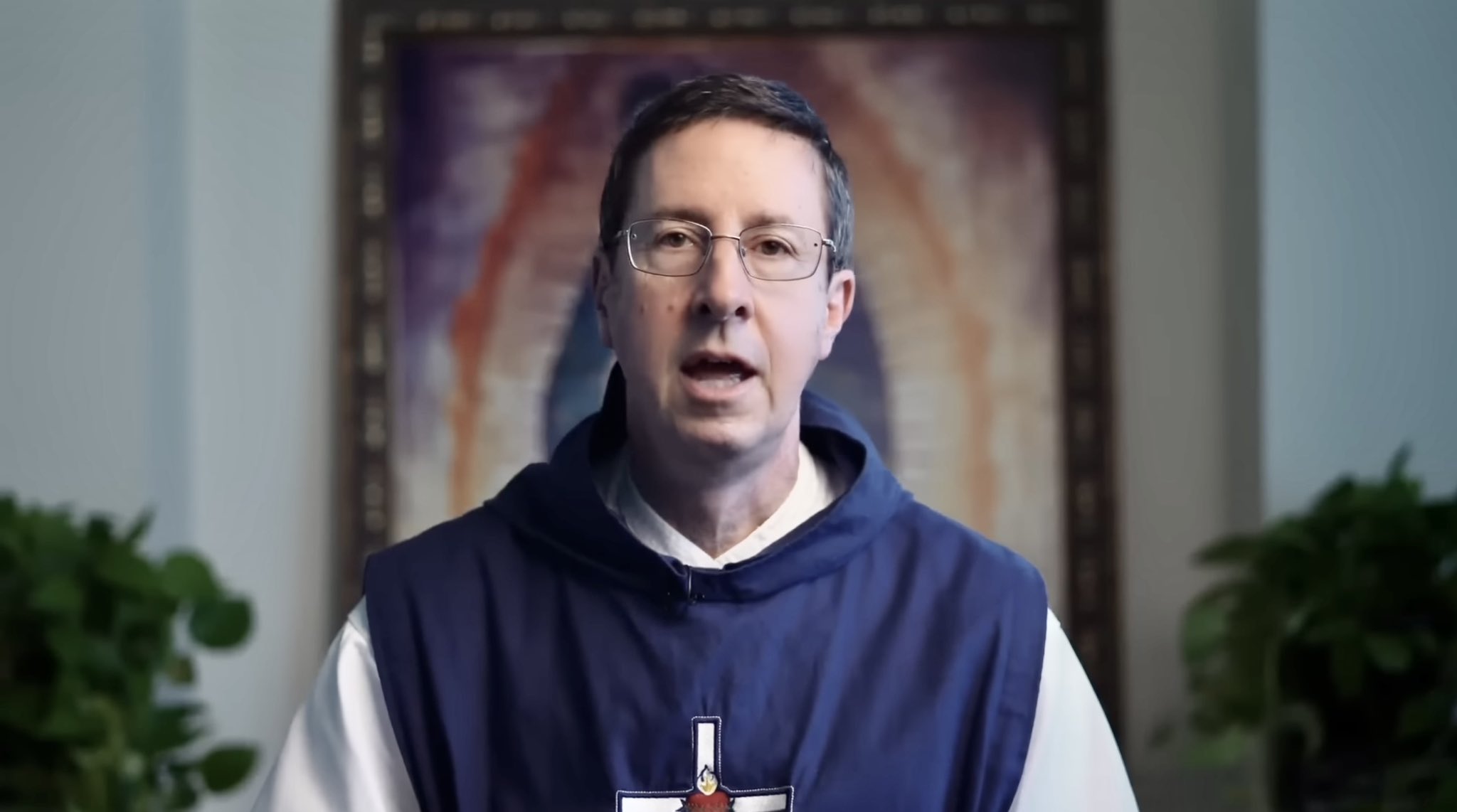
The Archdiocese of San Antonio, Texas, announced on Friday, 14 August 2026, that an ecclesiastical tribunal had found Fr John Mary Foster guilty of schism, declared that he had incurred latae sententiae excommunication and dismissed him from the clerical state. In a notice signed by Archbishop Gustavo García-Siller, Catholics were also forbidden from attending Masses or other activities organised by the Mission of Divine Mercy, the community in Canyon Lake where Foster serves as de facto leader, and were urged to withdraw all financial support from the apostolate.
Foster was incardinated into the archdiocese on 22 November 2009. In 2010, the then Archbishop José Gomez, now Archbishop of Los Angeles, recognised the Mission of Divine Mercy as an approved apostolate. For years, the small Texas community continued to organise retreats and provide sacramental ministry without attracting particular attention. That changed in February 2024, when it decided to publish alleged private revelations received by a religious sister within the community, identified as Sister Amapola: messages attributed to God, Jesus and the Blessed Virgin which had until then been kept private at García-Siller’s request.
According to the archbishop’s notice, the texts published by the community repeatedly describe Pope Francis as an “usurper”. Following the election of Leo XIV, the same judgement was extended to the new pontiff, who was described in identical terms. One message attributed to God the Father and dated 2 September 2025 goes so far as to claim, in a passage reported by the US Catholic press, that “the one who sits on the throne of Peter is not mine”. The archdiocese’s charge of schism centred on this rejection of the legitimacy of the last two pontiffs.
García-Siller had already withdrawn Foster’s ministerial faculties in March 2024, suspended his canonical status as a Missionary of Divine Mercy and ordered the seizure of the community’s property. Foster nevertheless continued to celebrate Mass publicly without authorisation, systematically omitting - first under Francis and then under Leo XIV - the name of the reigning pope from the Eucharistic Prayer. The Church regards such a liturgical act as an unequivocal sign of a rupture in communion with the successor of Peter.
Formal canonical proceedings began on 10 April 2025, with the authorisation of the Dicastery for the Doctrine of the Faith. The case was entrusted to a panel of three judges, all priests with doctorates in canon law and independent of the Archdiocese of San Antonio, assisted by a notary, a promoter of justice and a court-appointed advocate for Foster’s defence. After just over a year of proceedings, the tribunal delivered its judgement on 20 April 2026, although it was not made public until Friday, four months later.
In a response published on its website, the Mission of Divine Mercy describes the ruling as unjust but says it will not exercise its right of appeal under canon law. The community says its decision stems from a lack of confidence in the current Vatican leadership, directly naming Cardinal Víctor Manuel Fernández - whom it holds responsible for controversial documents such as Fiducia supplicans - and Leo XIV himself, who would ultimately have the final say on any appeal. While not disputing the canonical validity of the excommunication, the community insists that it remains Catholic and confirms its intention to continue Foster’s priestly ministry, which it considers necessary, in its view, during the Church’s present period of crisis.
The case forms part of a broader phenomenon that has grown in recent years around communities and individual priests who, relying on alleged private revelations, have challenged the legitimacy of successive popes since 2013: first Francis and then, following his election last year, Leo XIV. Canon law defines the offence of schism as the obstinate refusal of submission to the Roman Pontiff or of communion with the members of the Church subject to him (can. 751), and provides for automatic excommunication under can. 1364. The same provision has already been applied in recent years in other cases involving a public rupture with papal authority, and the San Antonio judgement now invokes it once again in an ecclesial context marked by recurring tensions over the reception of recent papal teaching.