You can tell from the order in which he arranges the books in the presbytery, from the way he prepares his homily the night before rather than half an hour beforehand, from his insistence that the parish council reopen a discussion everyone thought had been shelved years ago. The young priest newly arrived in the parish carries on like this - eager and methodical - for a few months. Then the reports to the bishop begin: "he's rigid", or "he's too casual", "he has ideas we don't understand", "he doesn't fit in". The verdict varies according to who is delivering it, but the function is always the same: to file that priest away into a pigeonhole, preferably an uncomfortable one, where he will stop being a nuisance. And in far too many dioceses, the available pigeonholes are still principally two: modernist or traditionalist. Convenient categories, because they save one the effort of listening. And categories, above all, that are old.
Categories that no longer mean anything
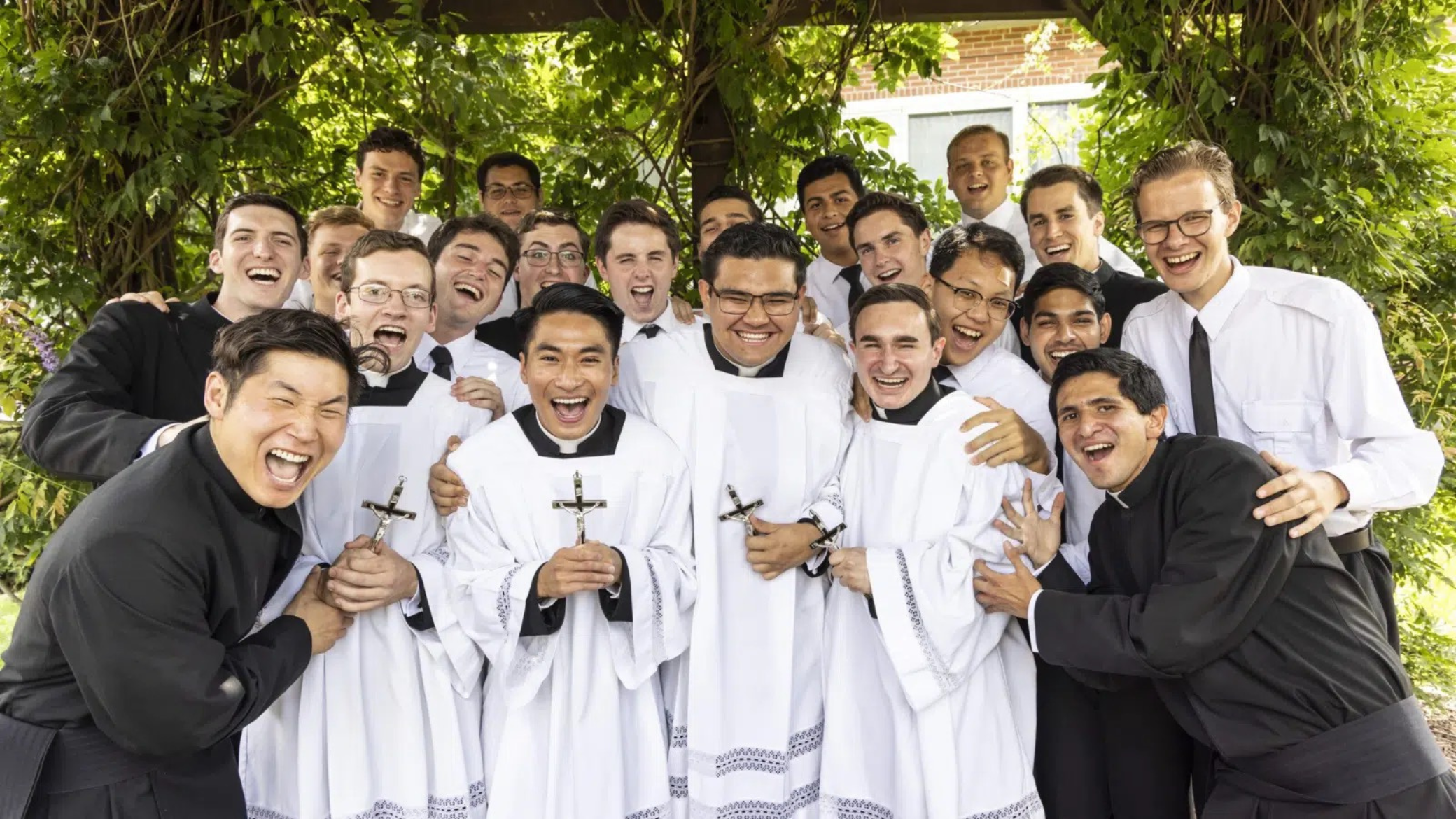
The modernist–traditionalist polarisation was the ecclesial grammar of one particular generation - the one that experienced the post-Conciliar years as a form of trench warfare. Those in their twenties and thirties today who feel called to the priesthood or to consecrated life simply no longer think in those terms. A young man can love Gregorian chant and the Scouts at the same time. He can celebrate the Novus Ordo with great care and take part in the Chartres pilgrimage. He can want, in the same breath, a parish priest who hears confessions ten hours a day and a parish that cares for the most fragile and for migrants.
This is neither syncretism nor confusion: it is the mark of a generation that has passed through secularisation from the inside and is looking for synthesis, not factions. To go on judging it by the categories of fifty years ago is to fail to understand it - and, worse still, not to want to understand it.
The fear of ageing presbyteries
Let it be said plainly: the problem is almost never theological. It is anthropological, when it is not simply psychological. A presbytery made up largely of priests over sixty - tired, and ever thinner on the ground - does not spontaneously welcome the young man who puts forward ideas, who works, who is on the move, who draws other young people in, who studies. It sees him as an uncomfortable mirror. The other man's liveliness becomes a reminder of one's own spent energies, of one's own dreams quietly shelved, of routines which over the years have hardened into comfortable habits. The young are the ones who "cause trouble", "kick up a racket", "are boisterous", and so on.
The same thing happens in monastic communities, where the eager novice - the one who takes the Rule seriously, who studies, who prays with intensity - soon becomes "problematic". Not because he is doing anything wrong, but because by his very presence he asks the others to be what they once promised to become. Picture a young man knocking at the door of a monastery where five monks live: one is elderly, one is dependent on alcohol, one is in a wheelchair. In a community of that kind, the viable paths reduce to two, both of them bitter: turn himself into a carer and nurse, or leave. In short, the presence of the postulant, the seminarian or the young priest is unbearable for those who have learned to survive within lukewarm equilibria.
Episcopal judgement as anaesthetic
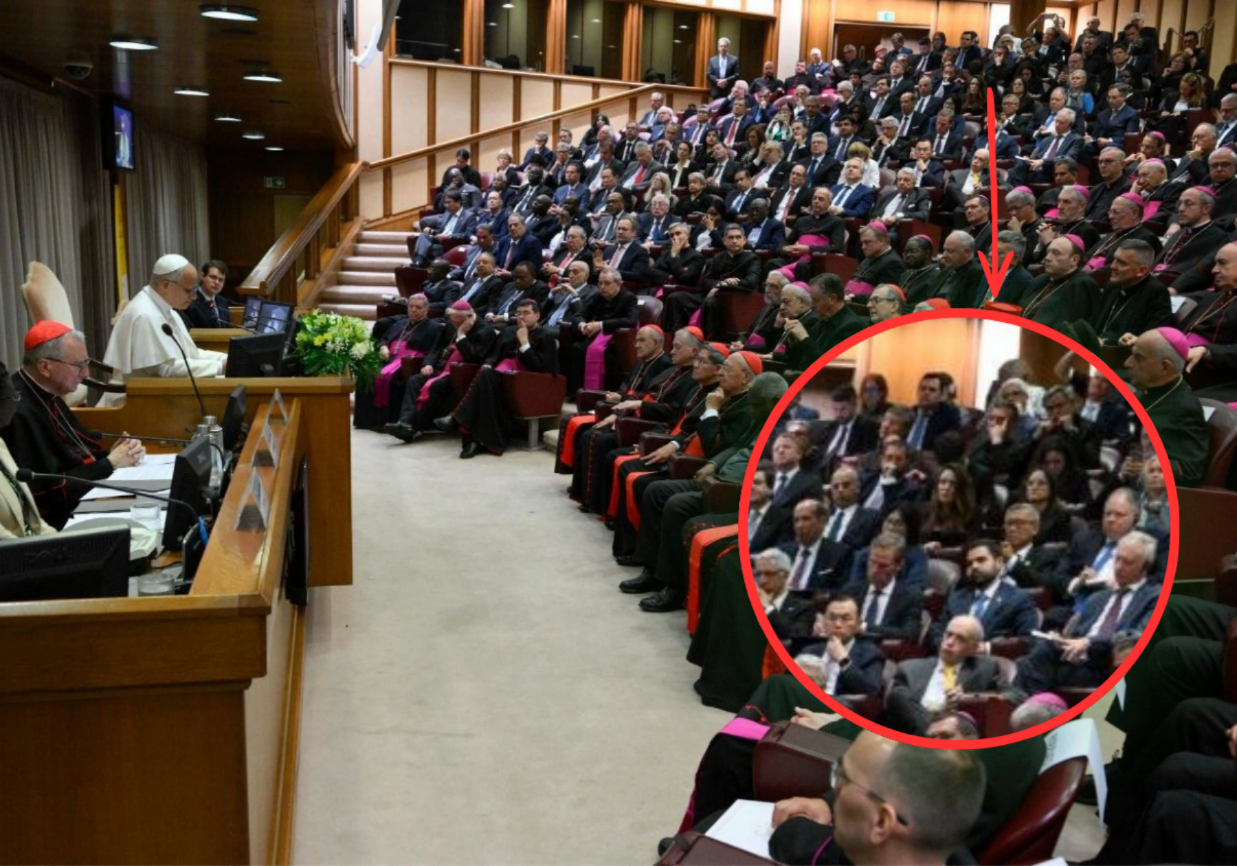
This is where the bishops' responsibility comes into play. Faced with the grumbling of an elderly parish priest - "he doesn't adapt", "he creates tensions", "he does things we don't understand" - the easiest path is transfer, reprimand, the pinning-on of a label, and sometimes plain marginalisation. And it is the path a good many bishops take, because it secures the presbytery's immediate "peace" at the cost of the individual's mortification.
But an ordinary - be he bishop or abbot - who governs by side-stepping conflicts rather than working through them is not safeguarding communion: he is anaesthetising it. And while on the surface everything appears to be holding together, underneath a discontent grows quietly, eventually festering until it becomes irreversible. And the price is always paid by the youngest, who soon learn that unwritten but brutal lesson: don't stick your neck out, don't put anything forward, don't stand out. So, one by one, the vitality and creativity the Church so desperately needs are snuffed out.
The buried talent
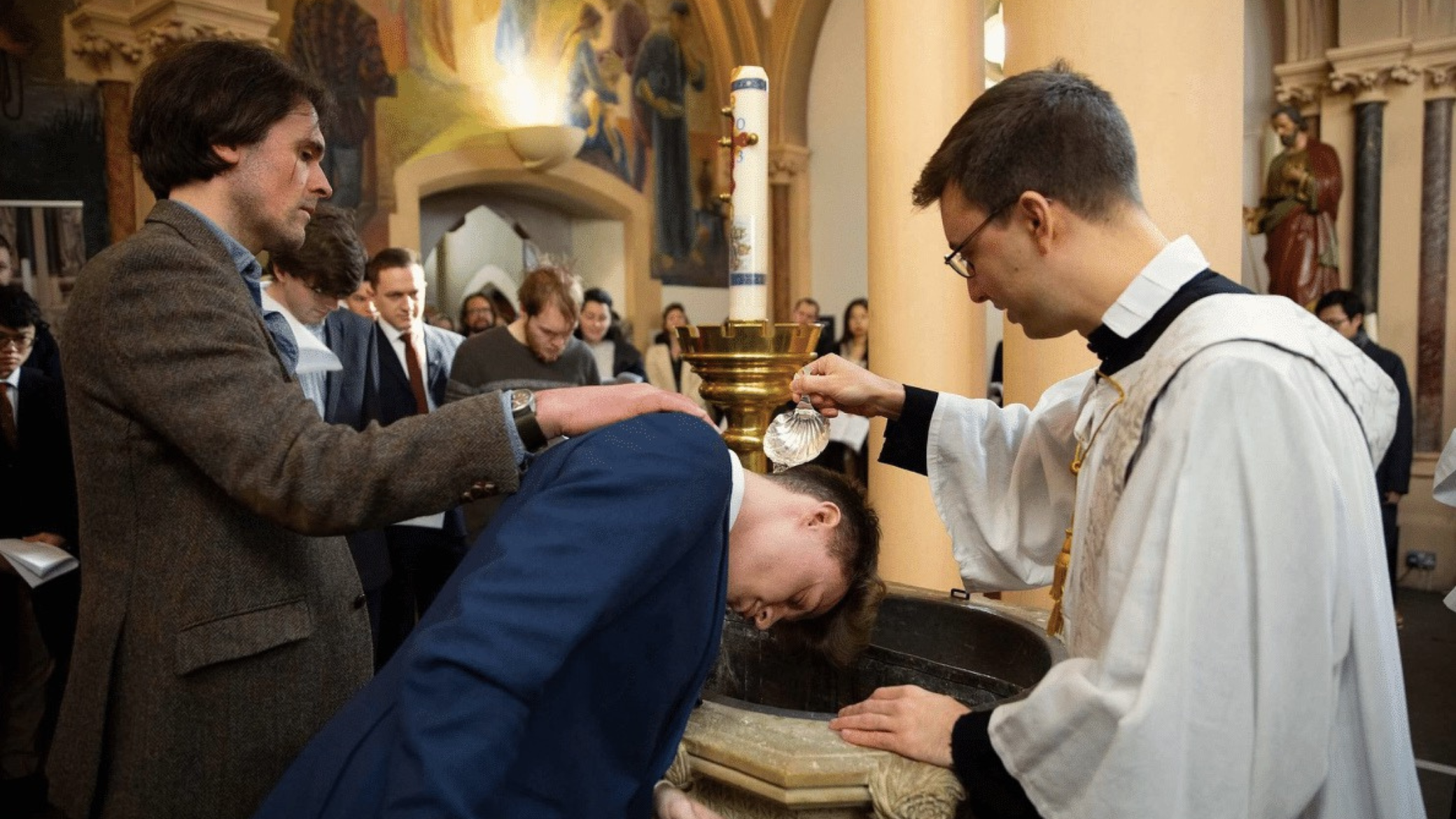
The parable of the talents, in Matthew's Gospel, leaves no room for any consoling interpretation. The servant who hides his talent out of fear is not absolved: he is called "wicked and slothful". Yet that is exactly what we are asking today of many young priests: to bury their abilities, their studies, their pastoral insights, so as not to disturb the established order. There are priests with doctorates who are never drawn into formation work. There are curates with impressive digital skills left to serve as stopgaps for some '68-generation parish priest. There are young monks with musical or intellectual gifts that are never put to use, because "it isn't their turn yet". To say nothing of the jealousies and the gossip fed by the fear that someone "will take our place". And meanwhile, conferences are convened on the vocations crisis, asking why young men no longer come to seminary, or why they do not stay.
They do not come, or do not stay, in part because they have friends just ordained, or who have just entered a monastery, who describe to them a reality very different from the one they were promised. They tell of the daily humiliation of not being listened to, the grind of having to ask permission for every initiative, the habit of superiors who answer every proposal with a sigh.
A Church afraid of being loved
The pontificate of Leo XIV has been insisting, from its very first months, on the need for a synodal Church that is truly a body - one in which every member has a function and no voice is superfluous. But synodality, if it remains the conference-hall slogan of careerist laypeople, betrays itself. It becomes real only when a bishop has the courage to defend the young priest against the parish priest who complains; when an abbot invests in a capable novice instead of crushing him in the name of obedience; when a vicar for the clergy stops classifying priests by labels that no longer mean anything and begins to listen to them, one by one.
The point is not to side with the young simply for being young. The point is to stop finding them in the wrong for the same reason. The Church does not need priests who fall into line with organised mediocrity: it needs priests, seminarians and monks who dare to be saints, and pastors with the courage to walk alongside them, not to dampen them down. Otherwise we shall go on repeating that generational renewal is lacking, when in truth the renewal is there: we are simply, and systematically, burying it.
fr.I.C.
Silere non possum